What color temperature works best behind a white fabric screen?
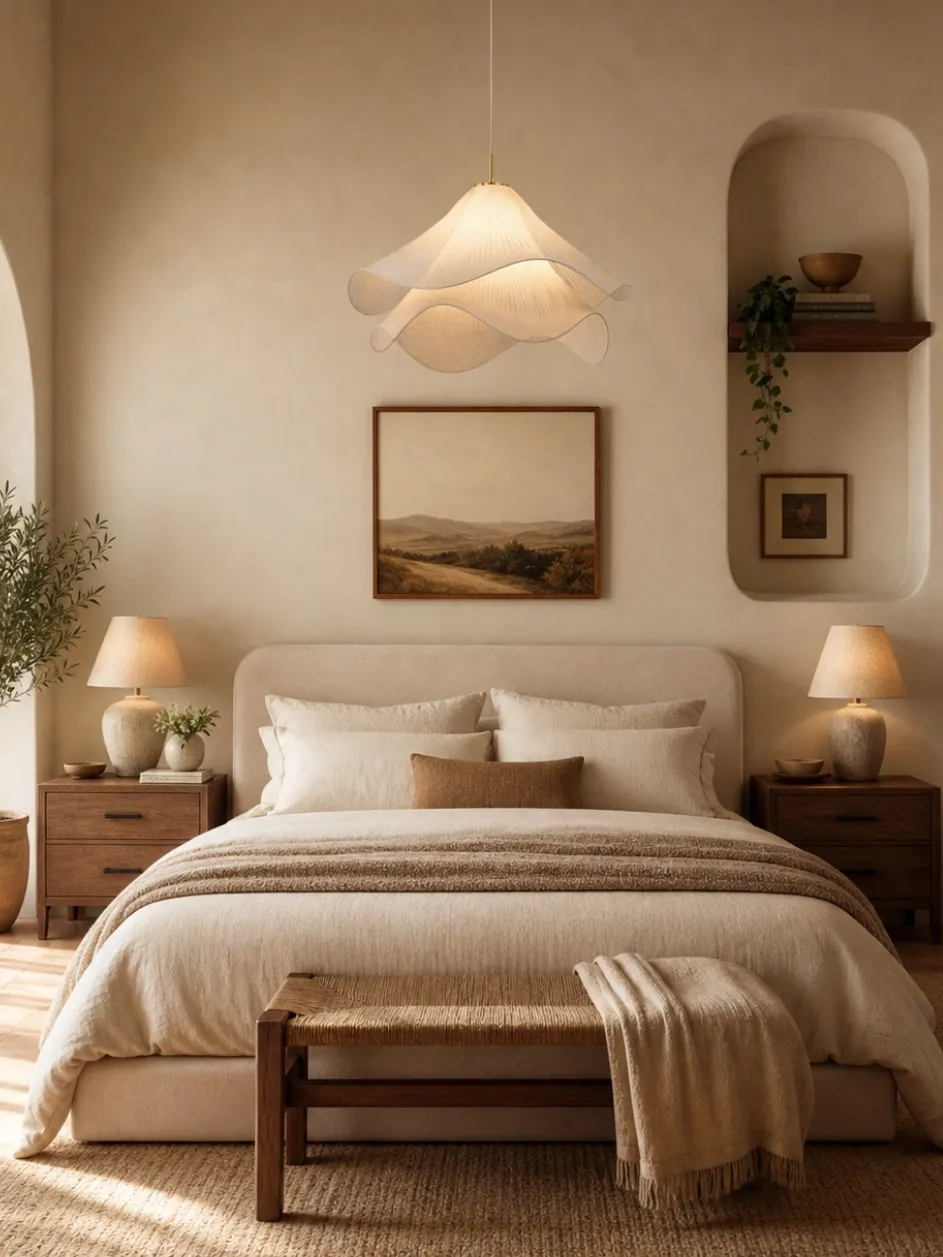
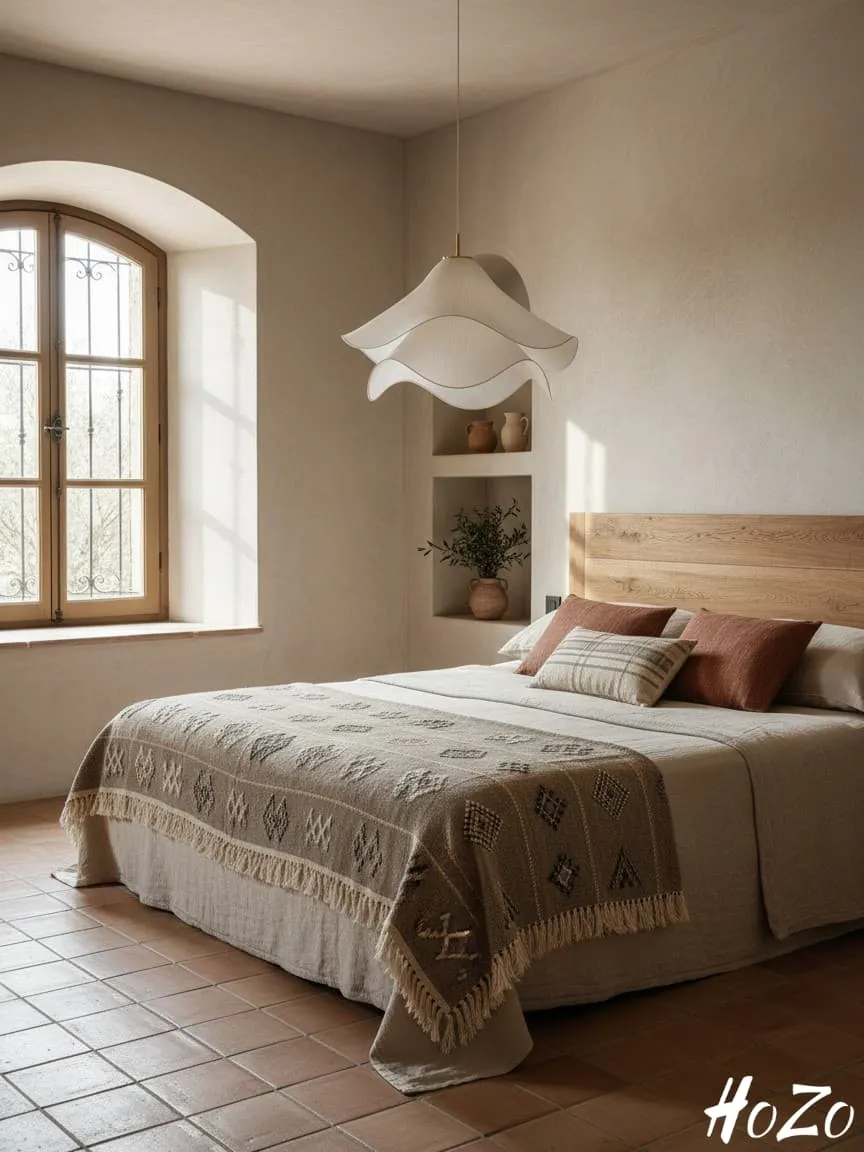
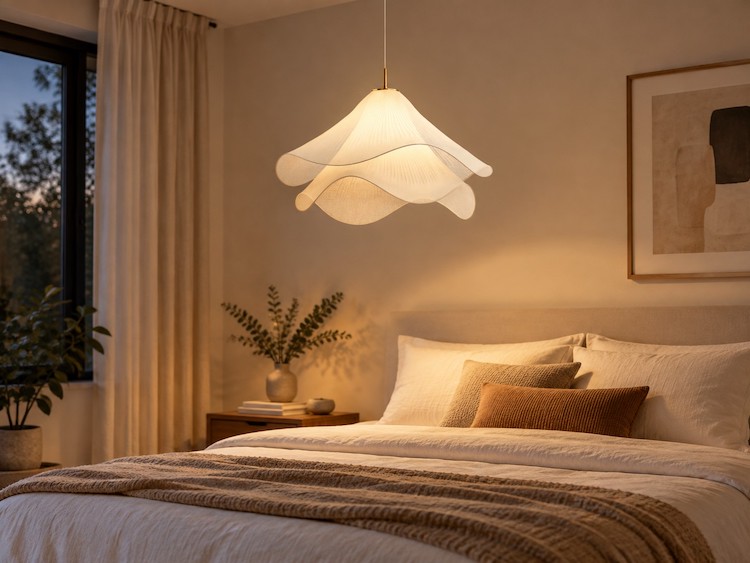
Behind a white fabric lampshade, the color temperature that typically works best for a bedroom is between 2700K and 3000K. 2700K produces a warmer, more enveloping light; 3000K retains warmth but allows for a slightly cleaner look of white, bedding, and wood. The final choice depends on the walls, the room's use, and the amount of natural light, not just the number printed on the bulb.
What does color temperature mean?
Kelvin describes the appearance of light, not the amount it emits. A lower number feels warm, with golden undertones; a higher number feels whiter or cooler. However, the color temperature alone doesn't tell you if a room will have enough light. For that, you need to consider the lumens, the position of the screen, and the tasks being performed underneath it.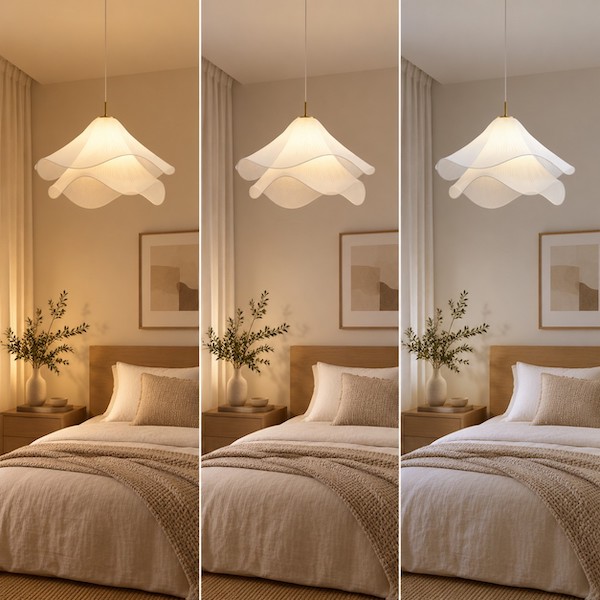
The page of ENERGY STAR on LED lighting It explains the difference between brightness and color appearance. Use it to read the label and then check the result in the bedroom.
Why white fabric changes the reading
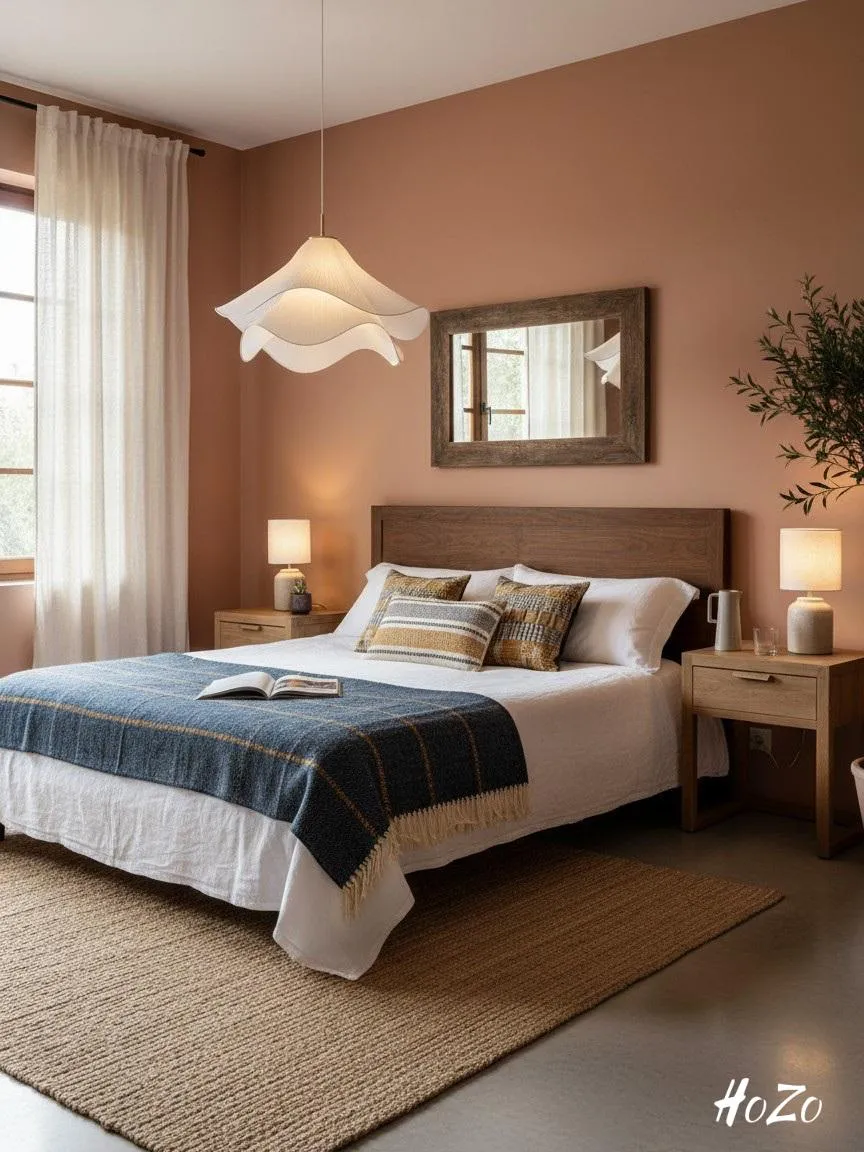
A white lampshade is not a neutral surface. The fabric diffuses some of the light, softens the bright spot, and reflects the bulb's color onto the ceiling and nearby walls. At 2700K, it can appear cream or ivory; at 3000K, it usually looks whiter without appearing clinical. The bedroom's paint color also plays a role: a beige wall warms any light source, while a bluish-gray wall can make the same bulb seem less inviting.
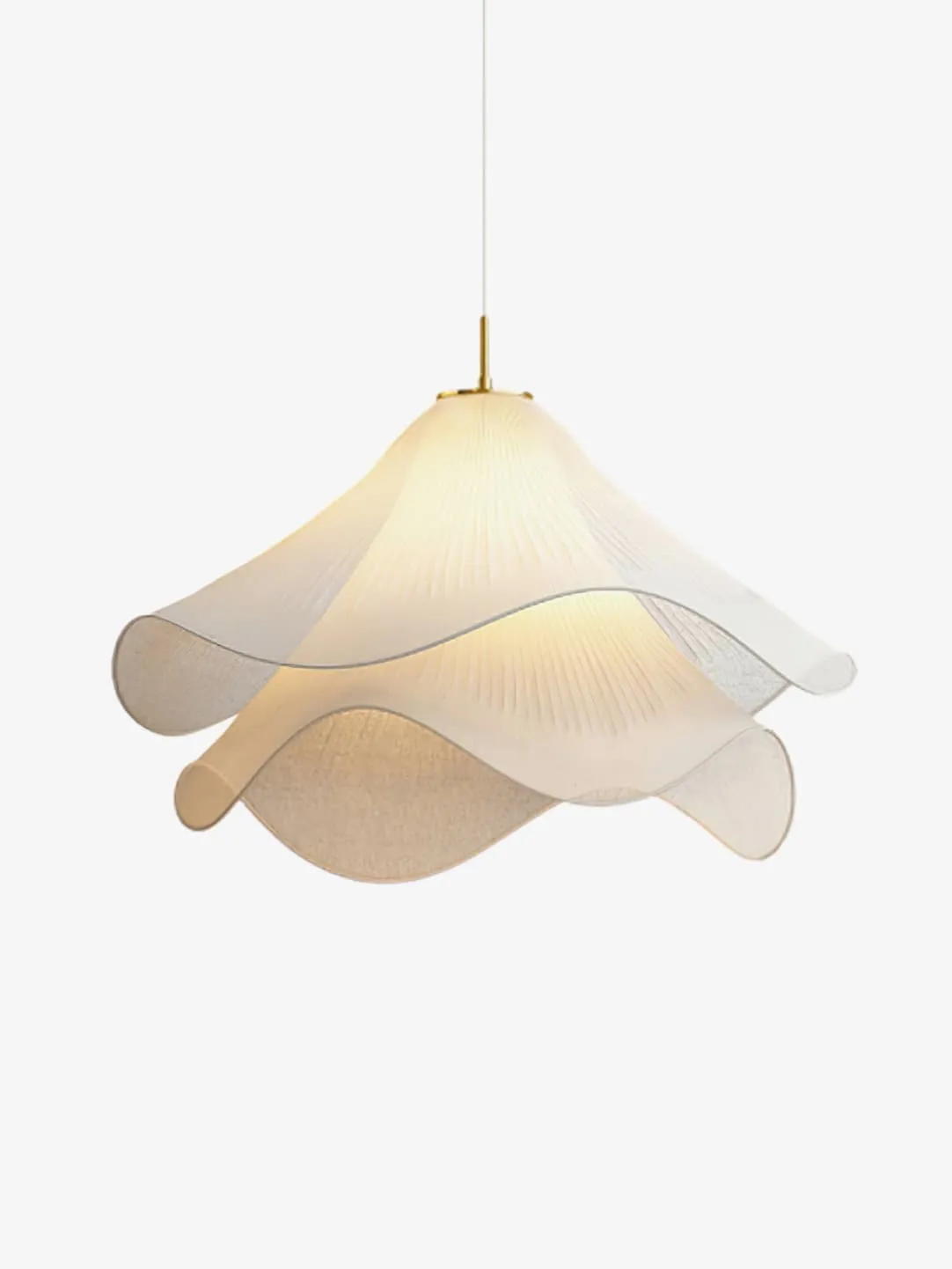
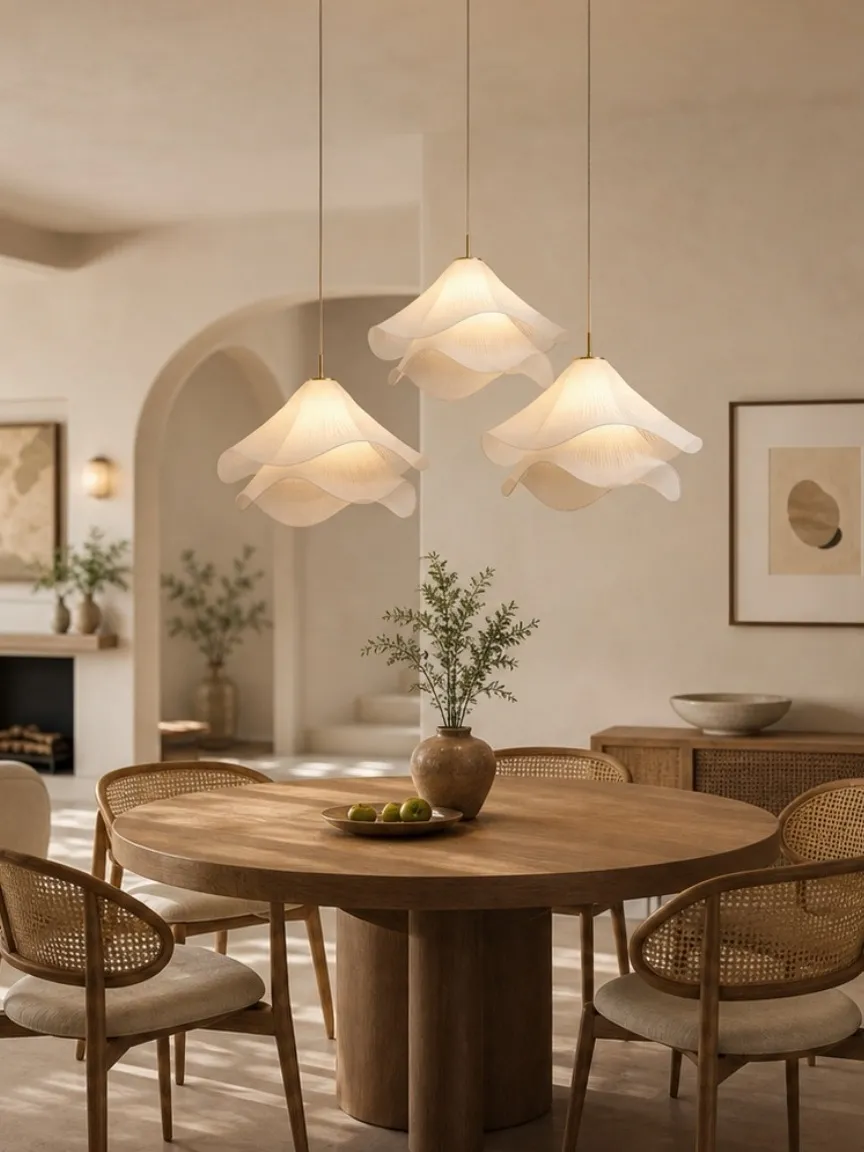
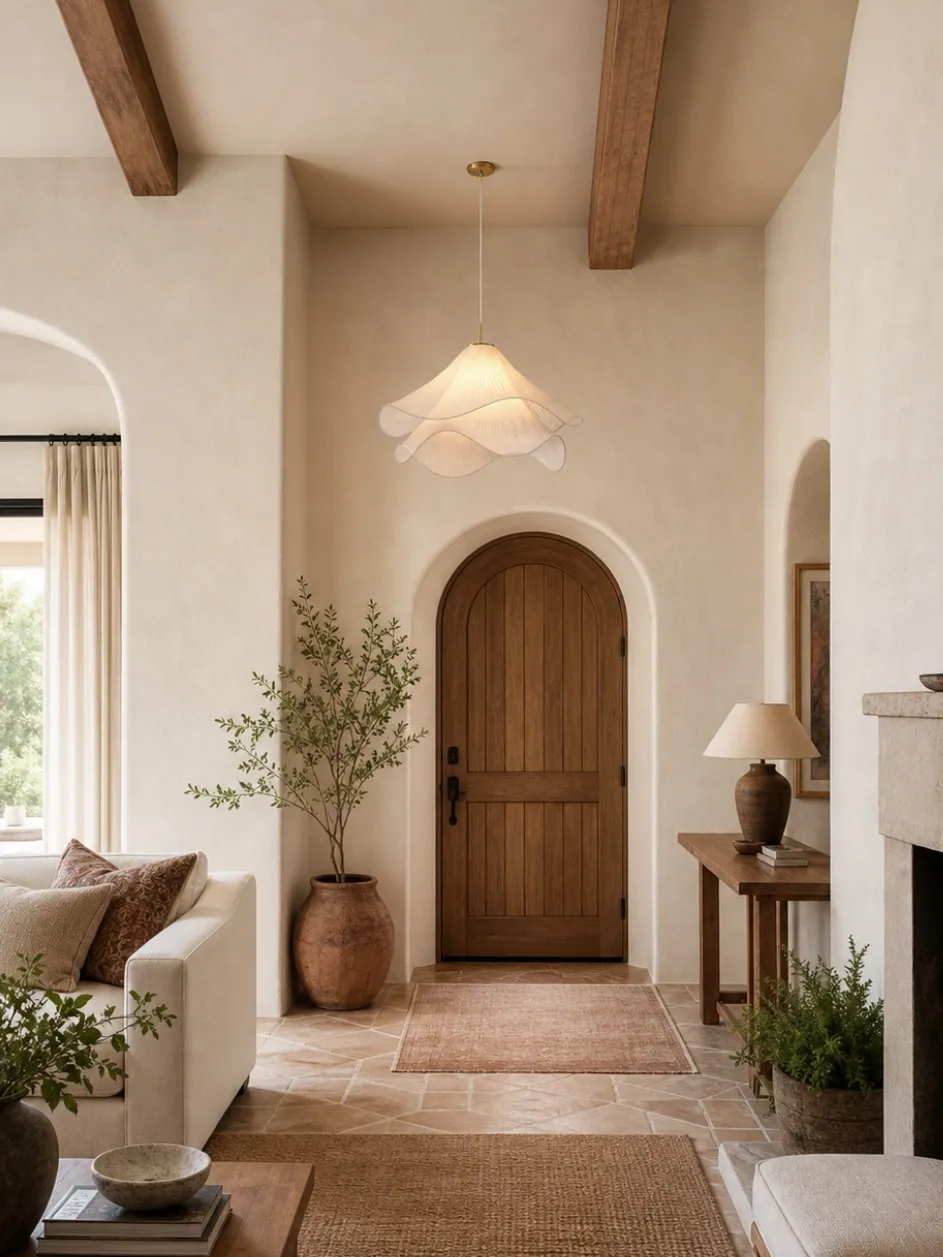
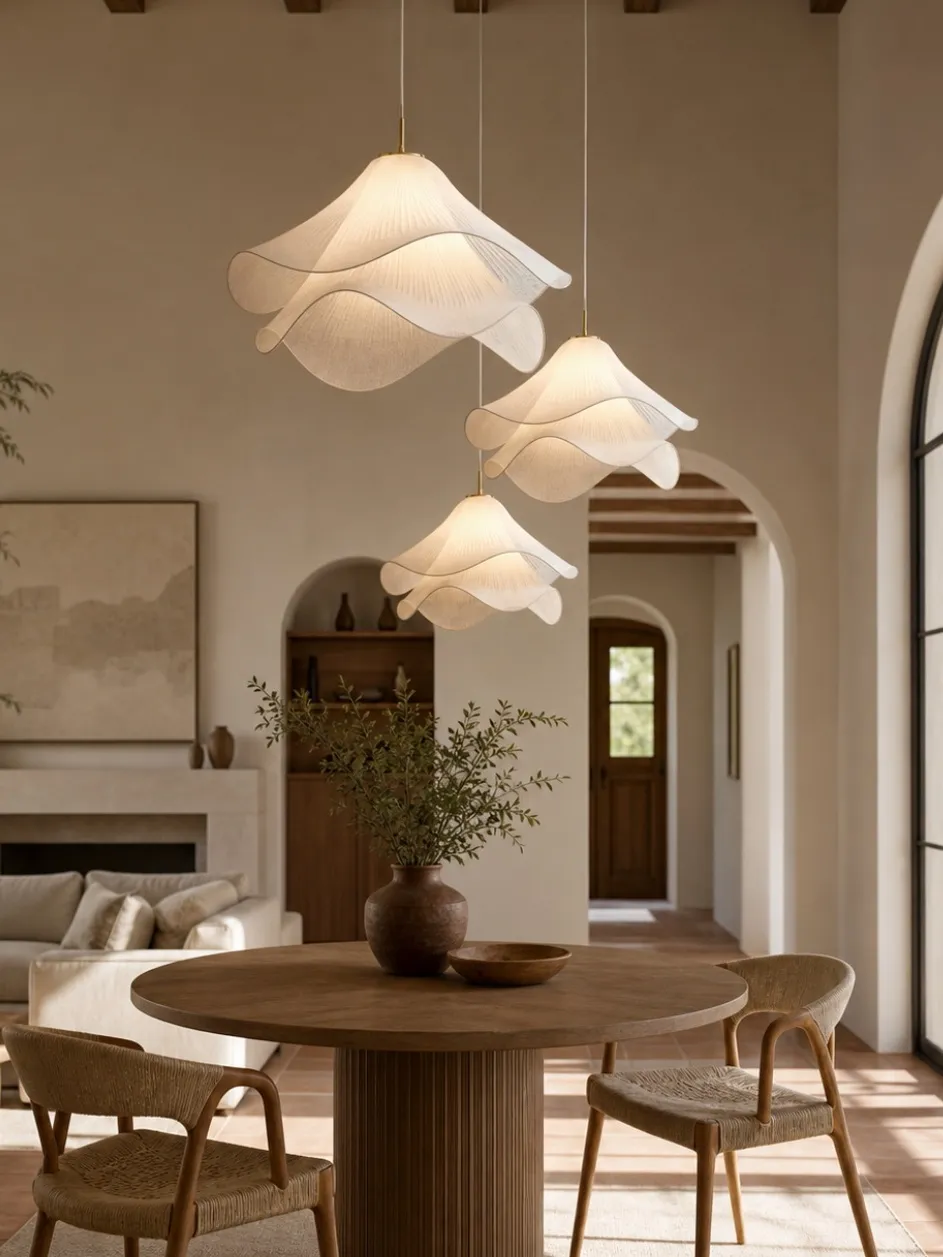
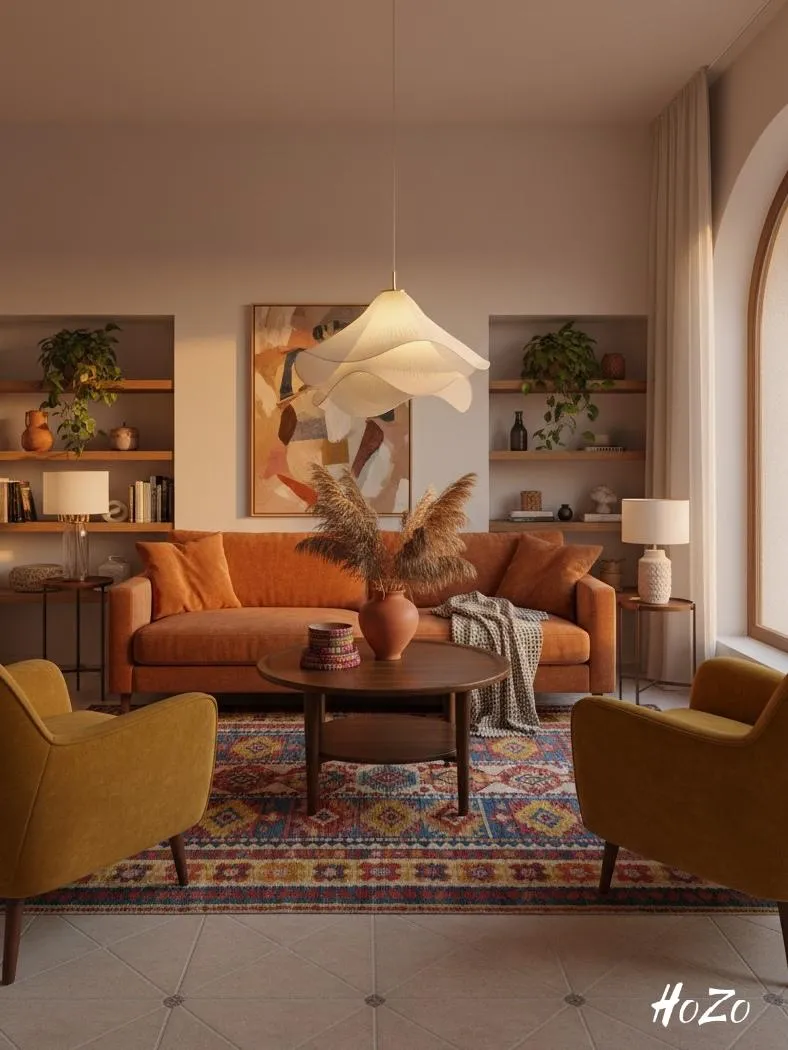
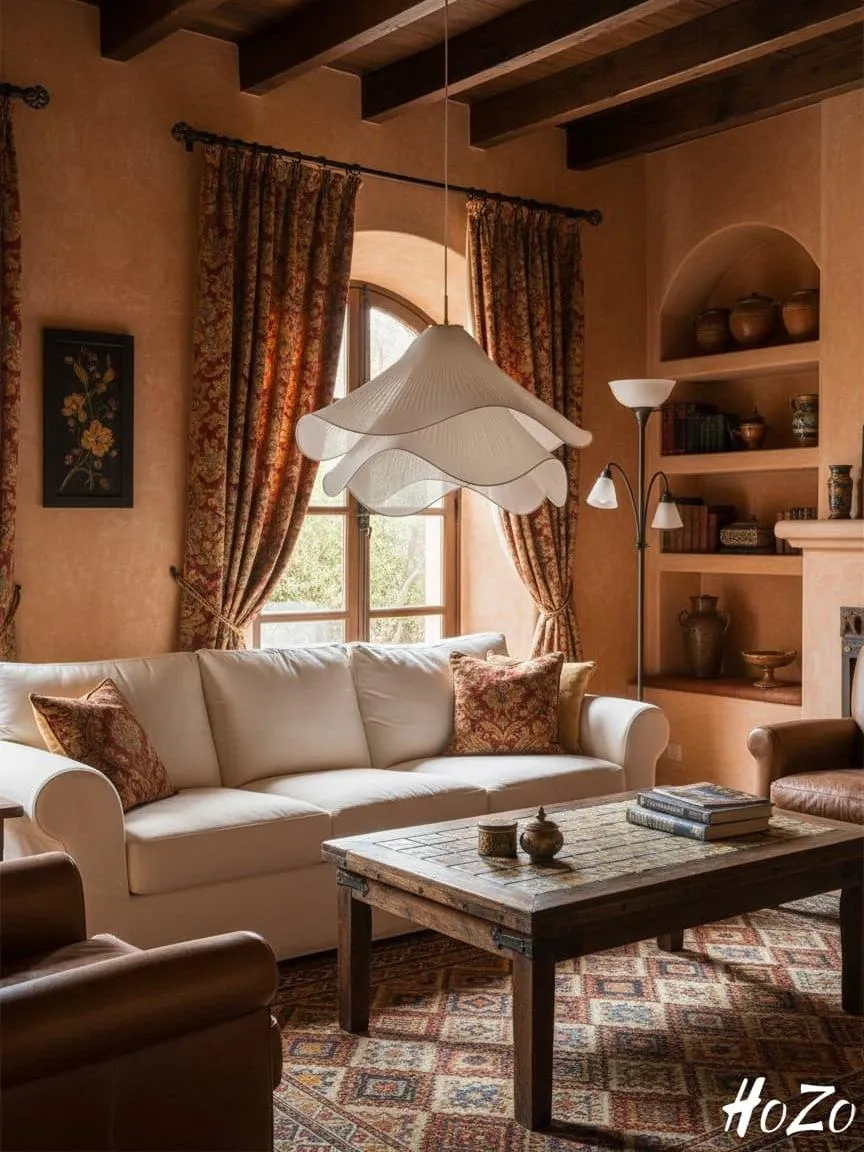
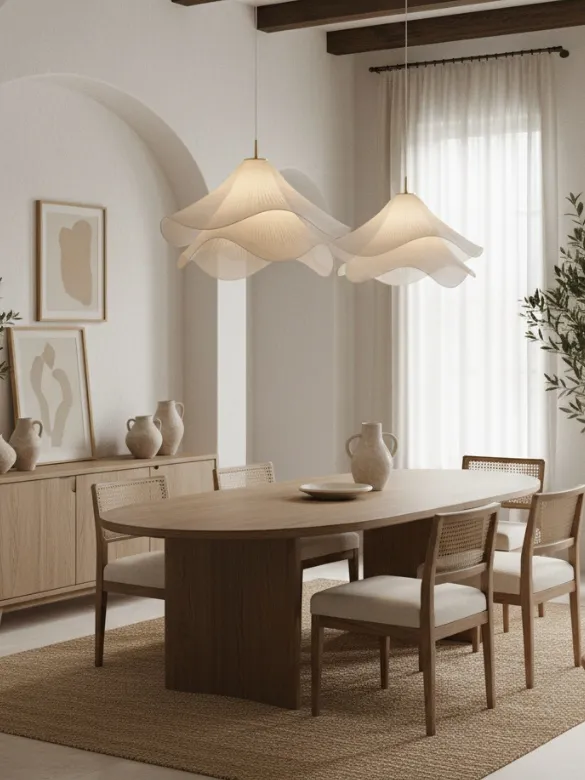
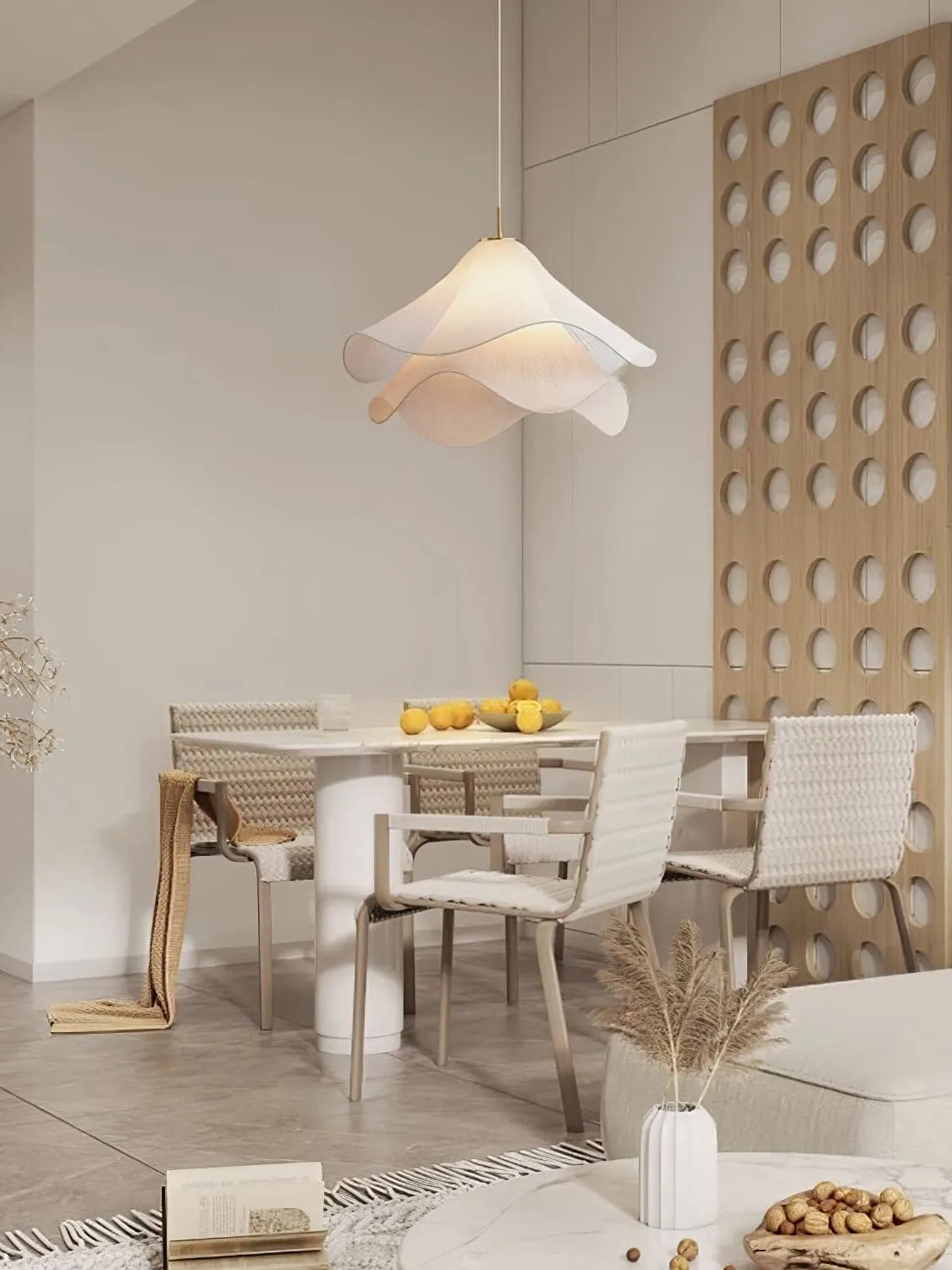
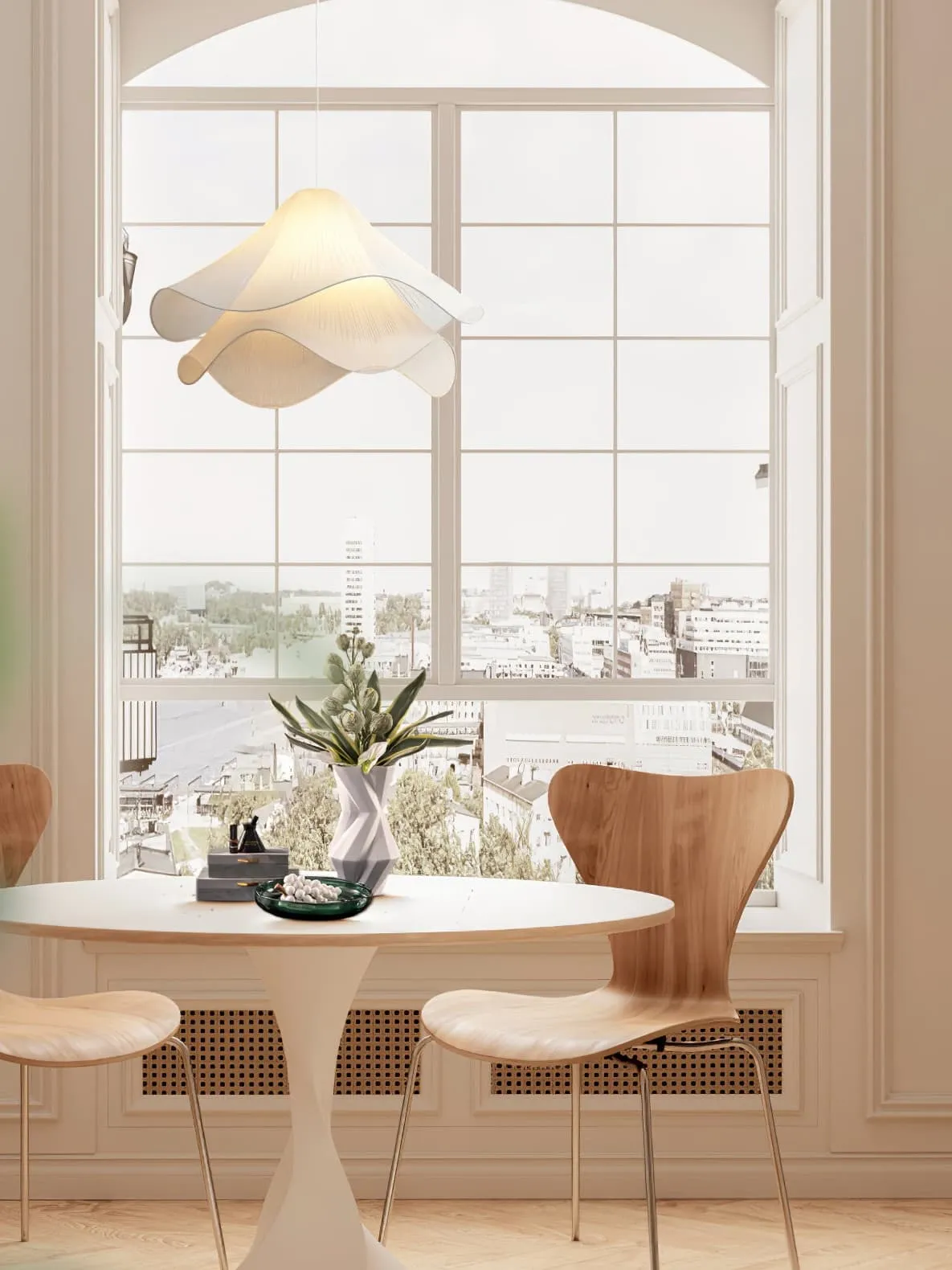
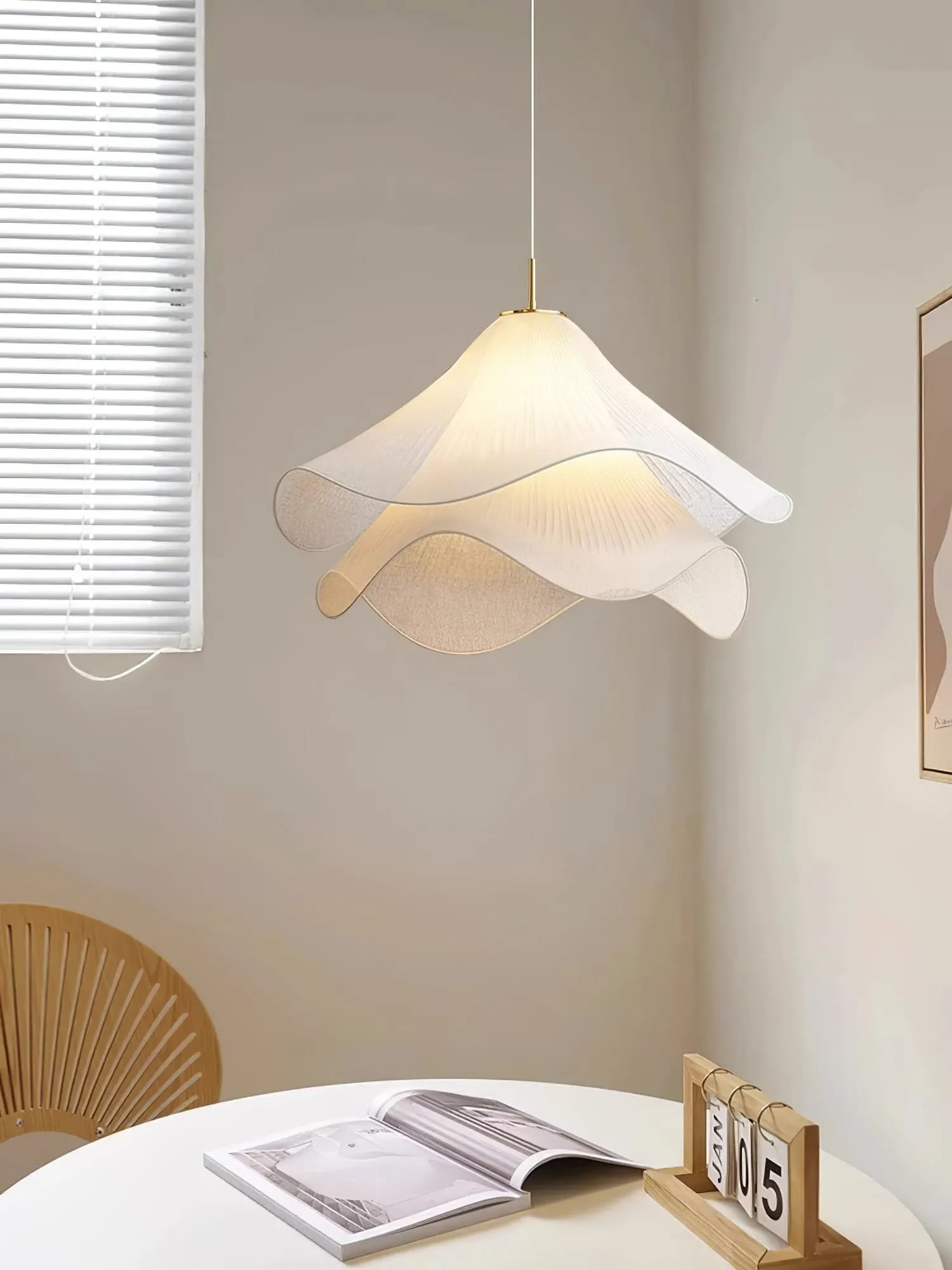
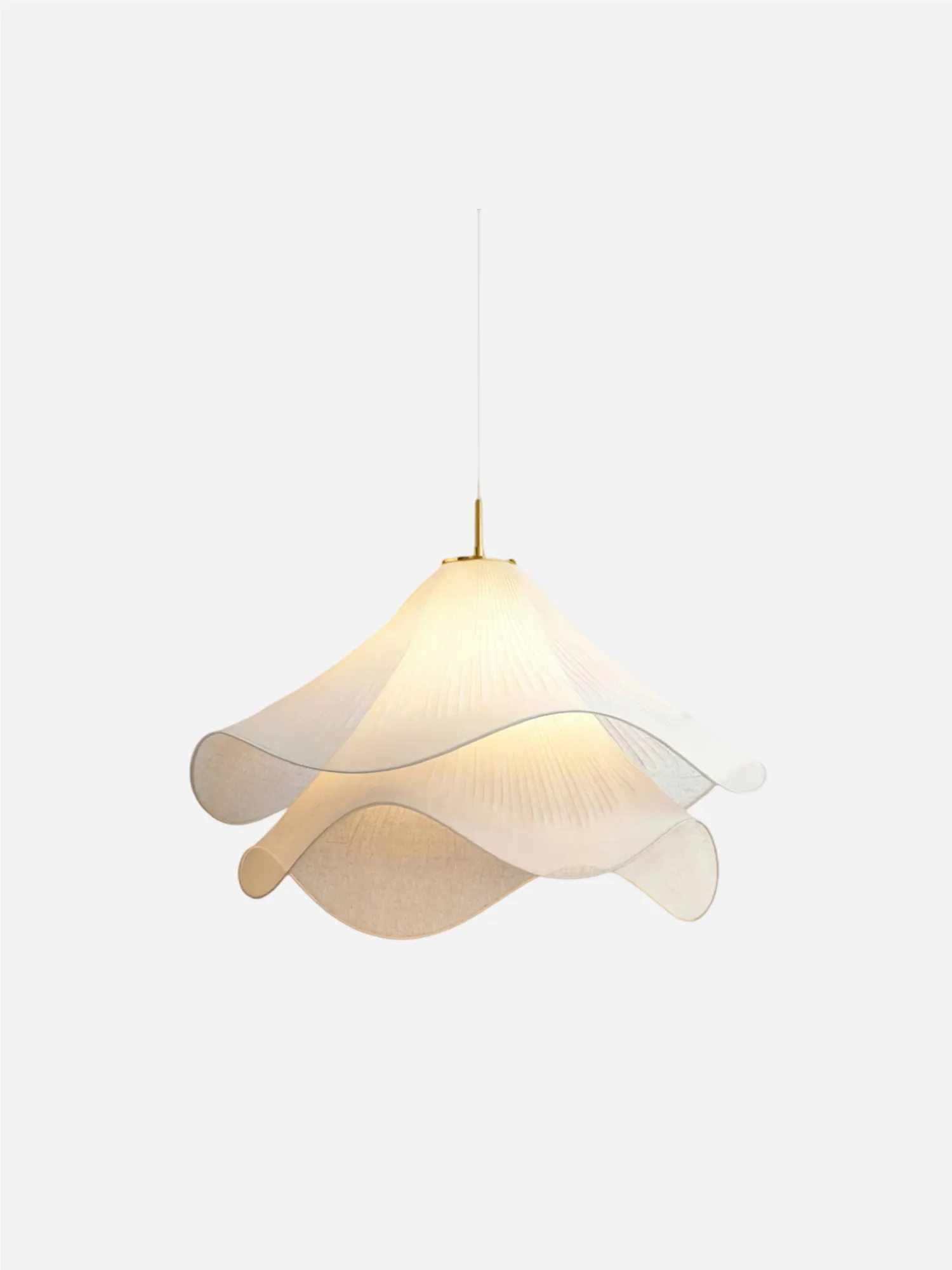
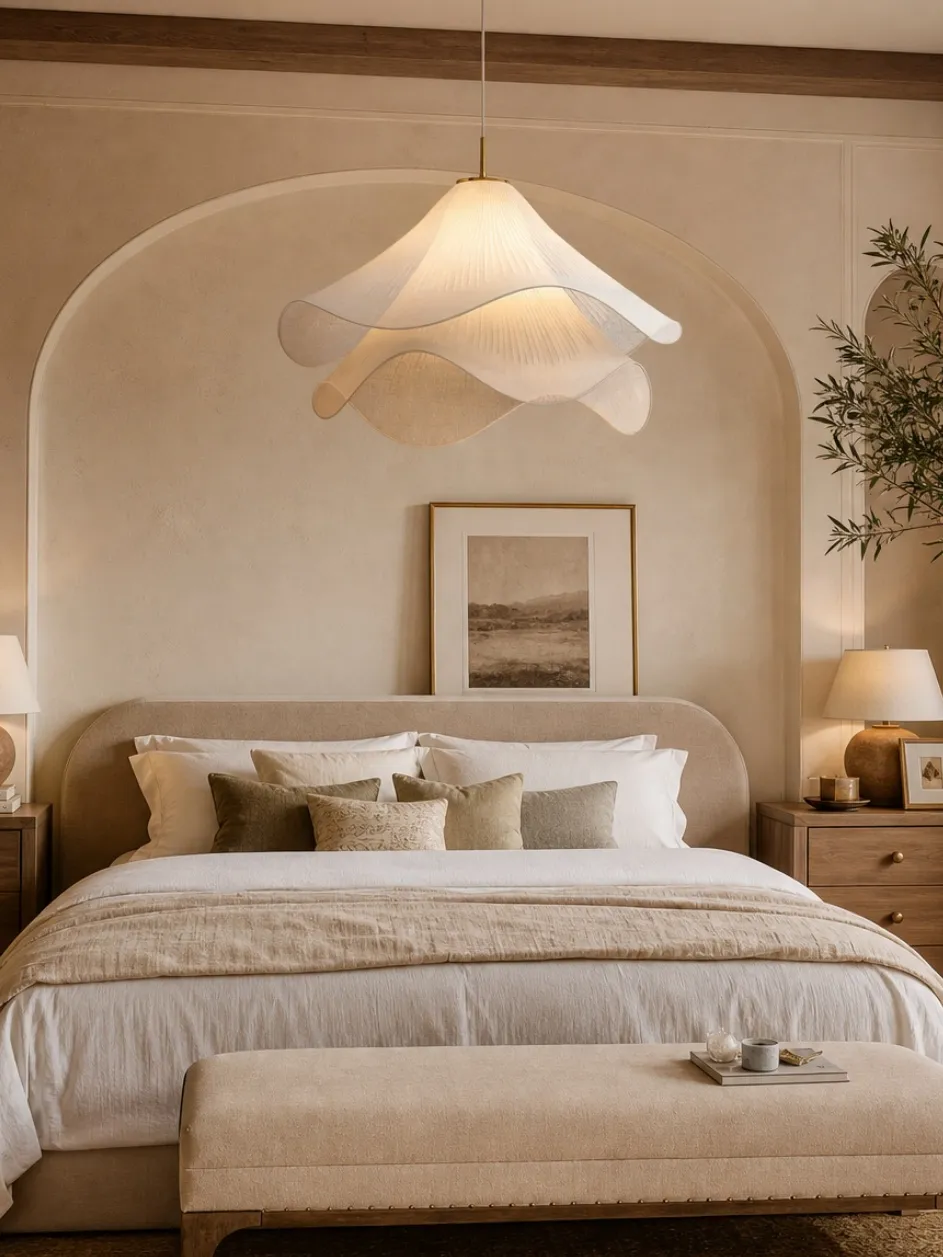
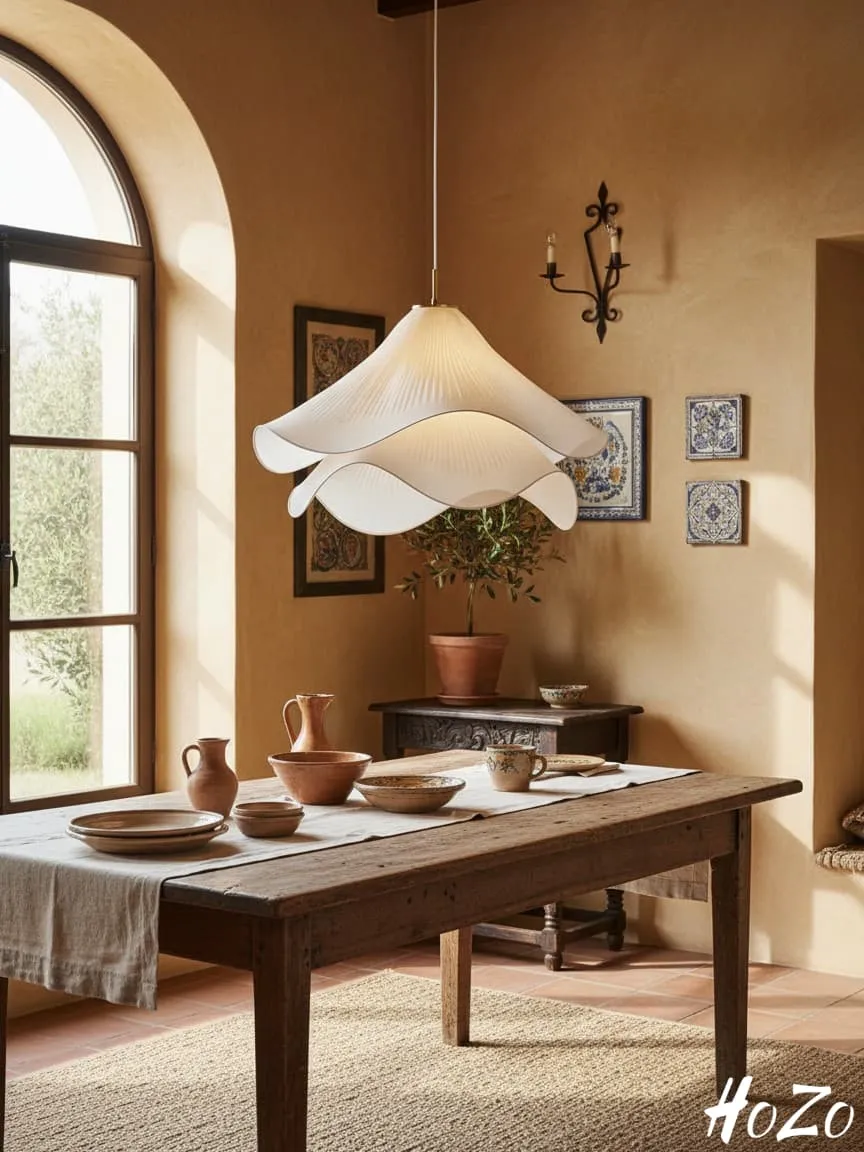
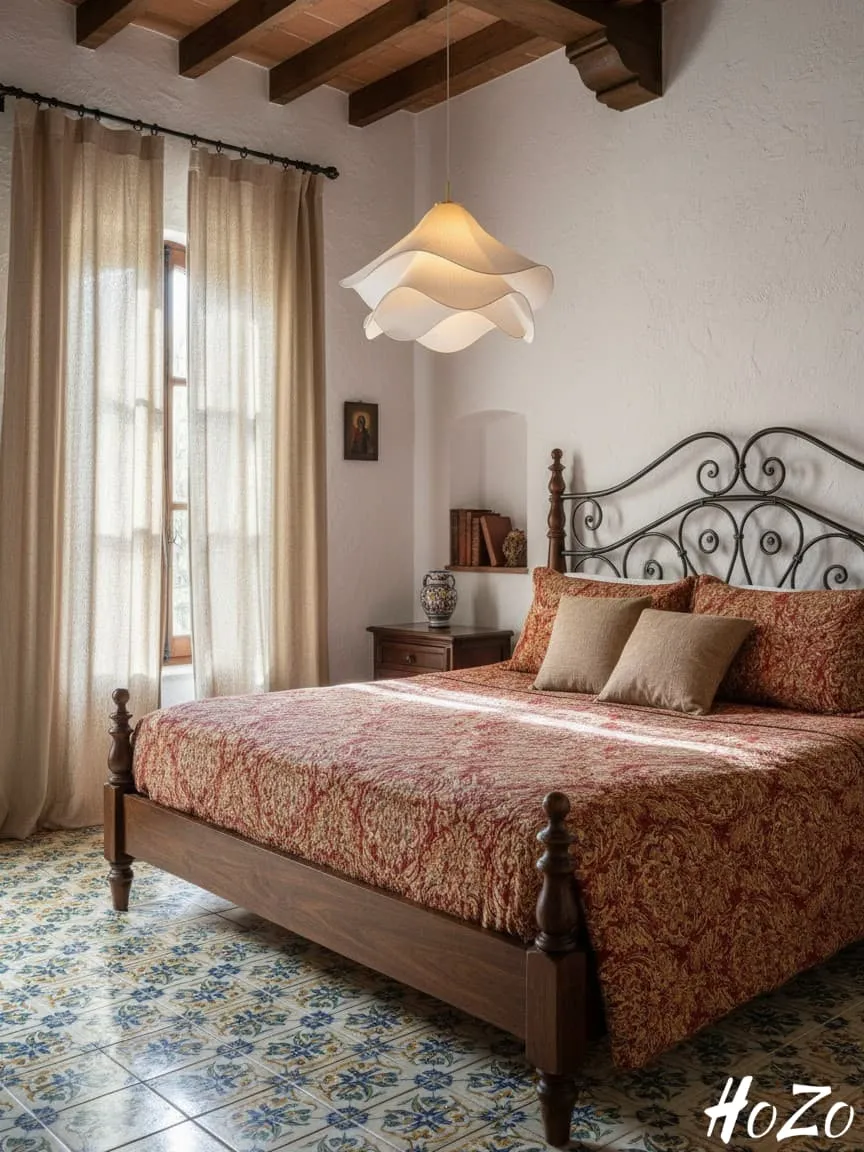
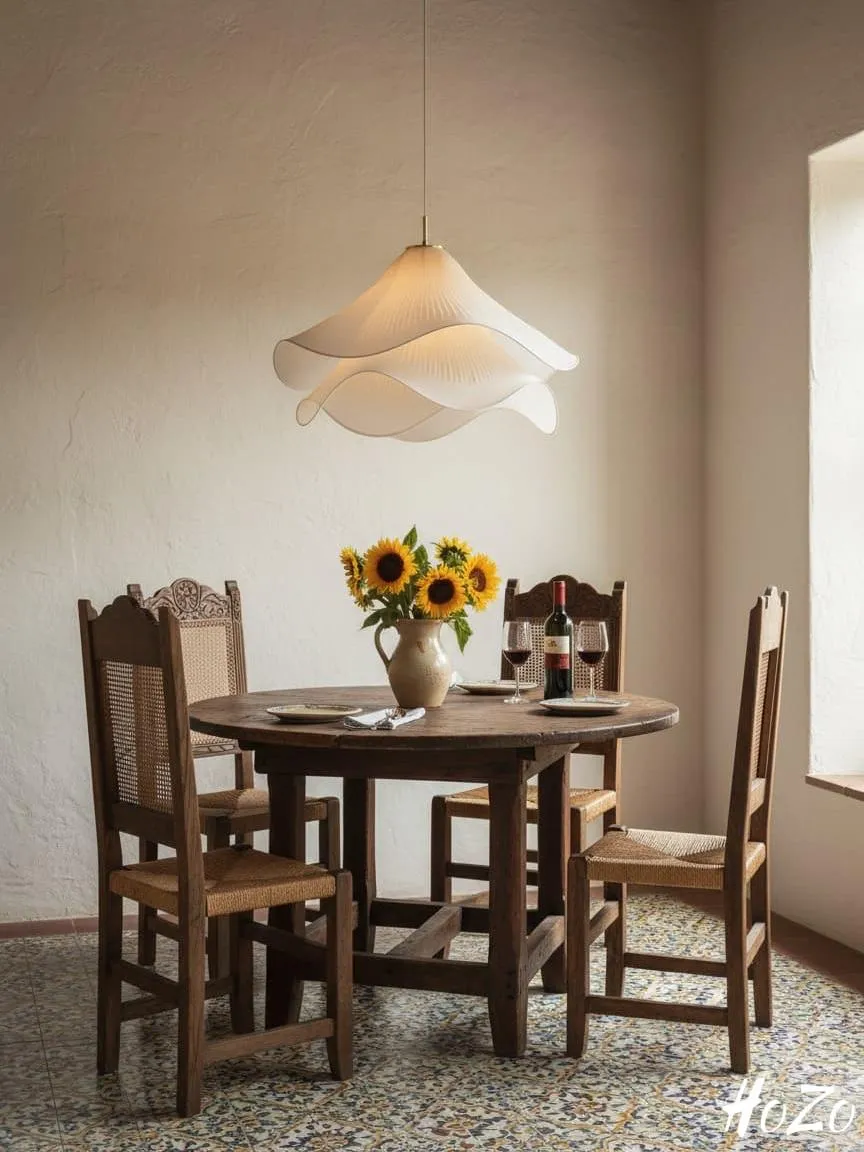
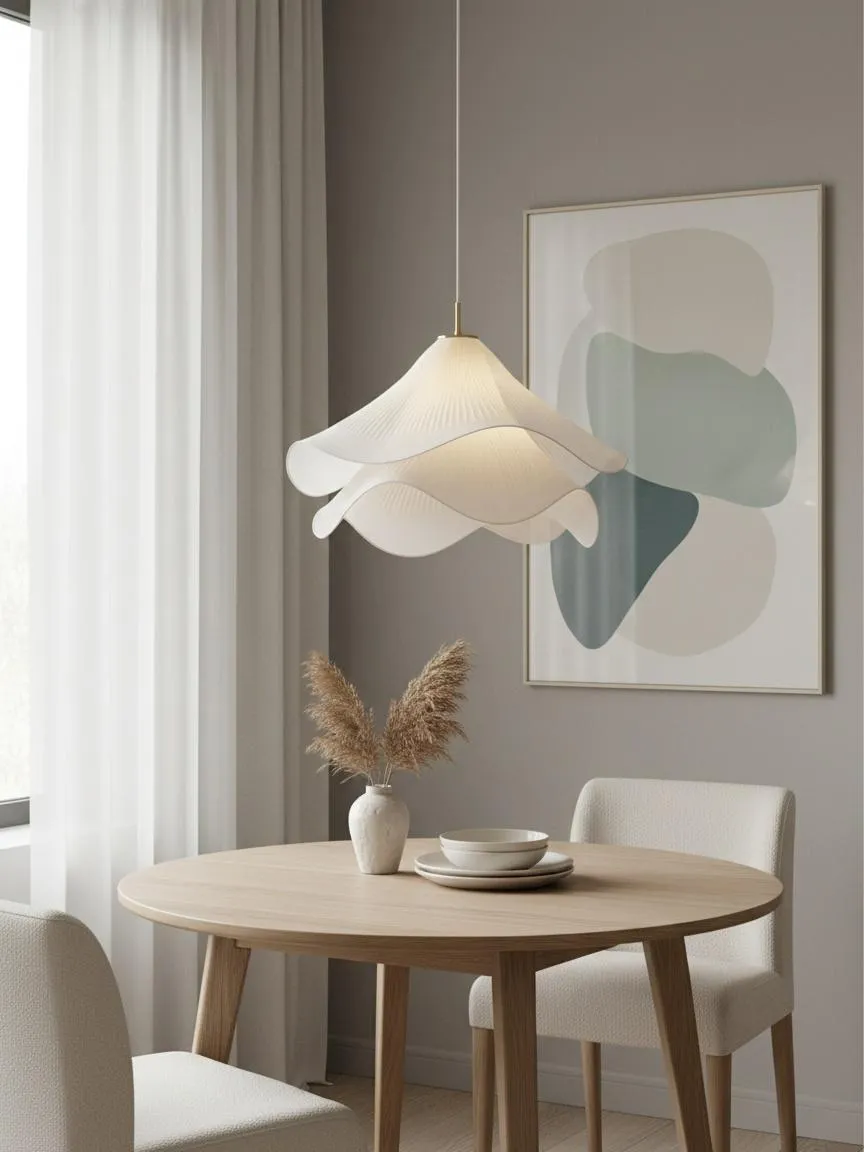
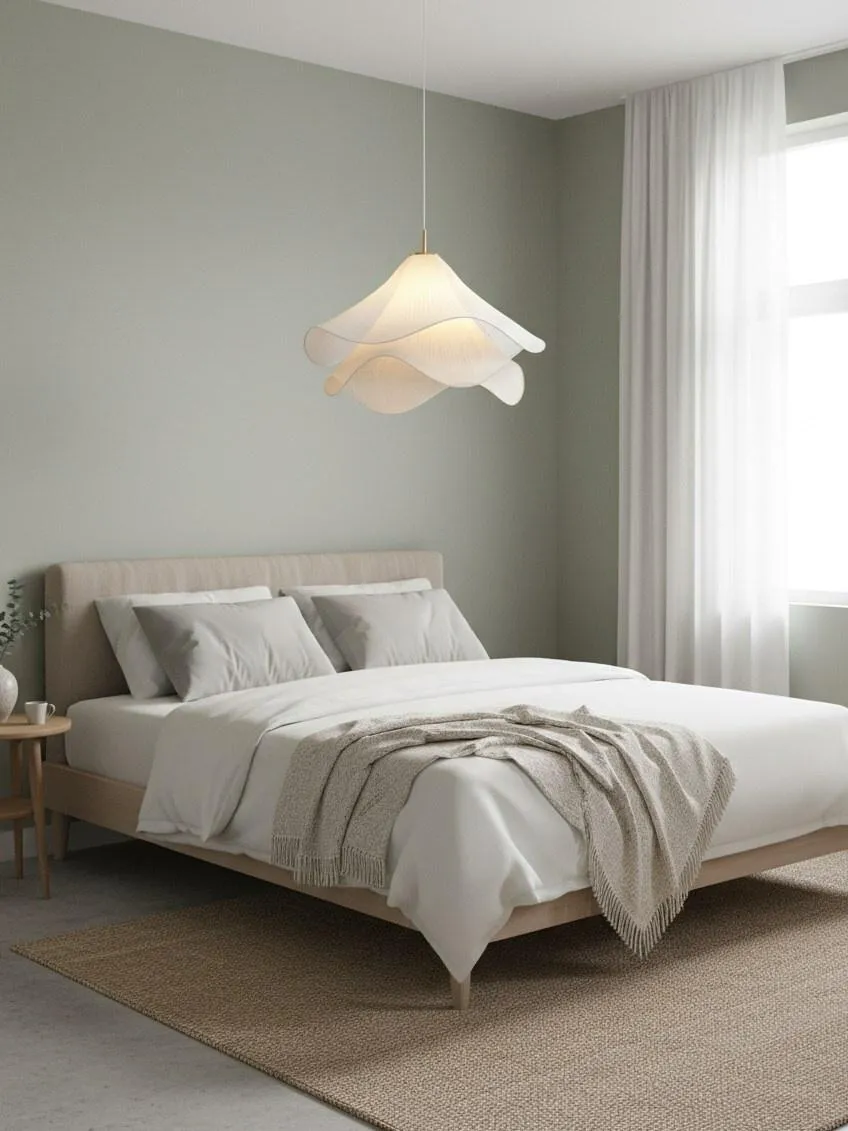
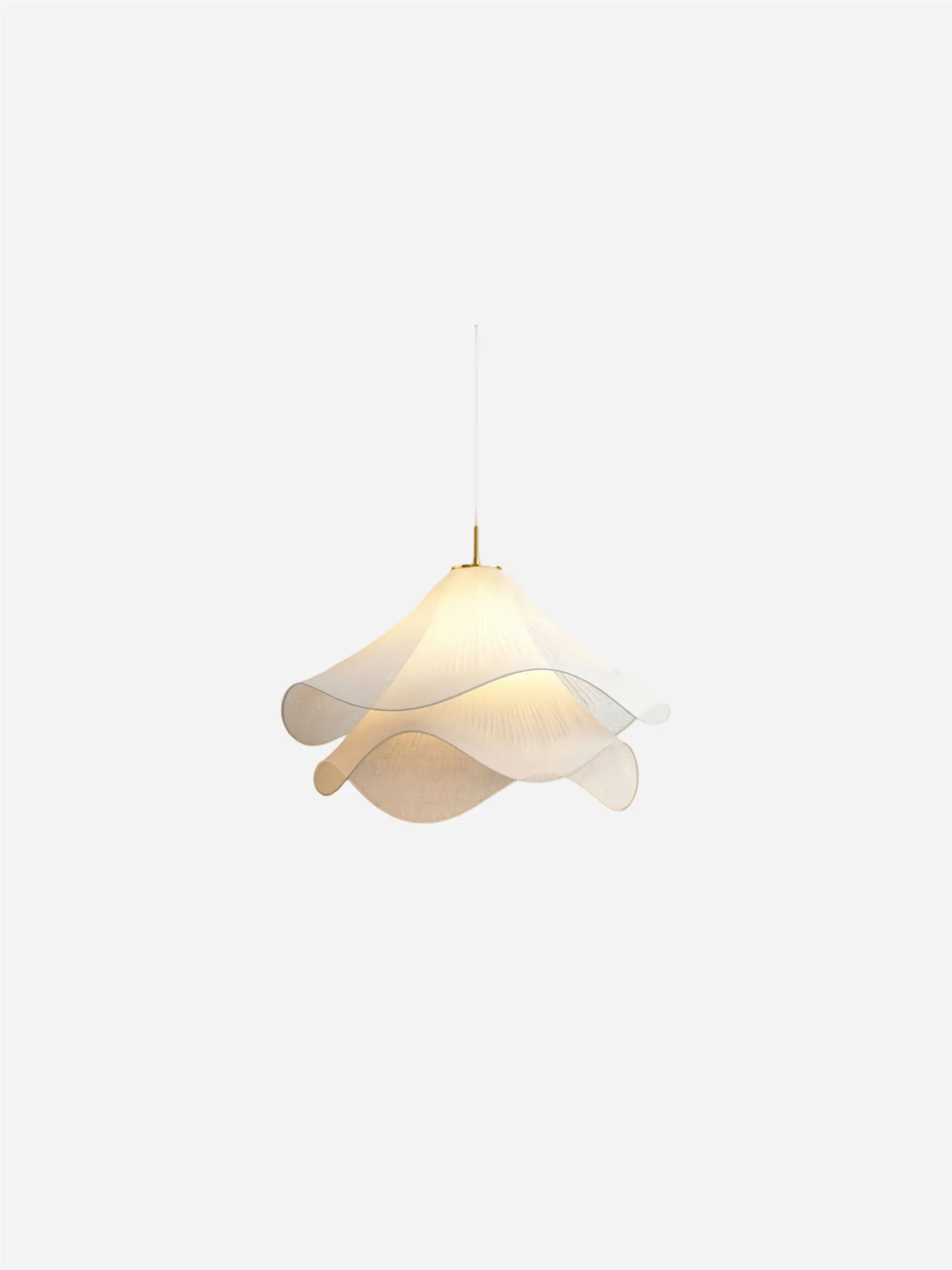
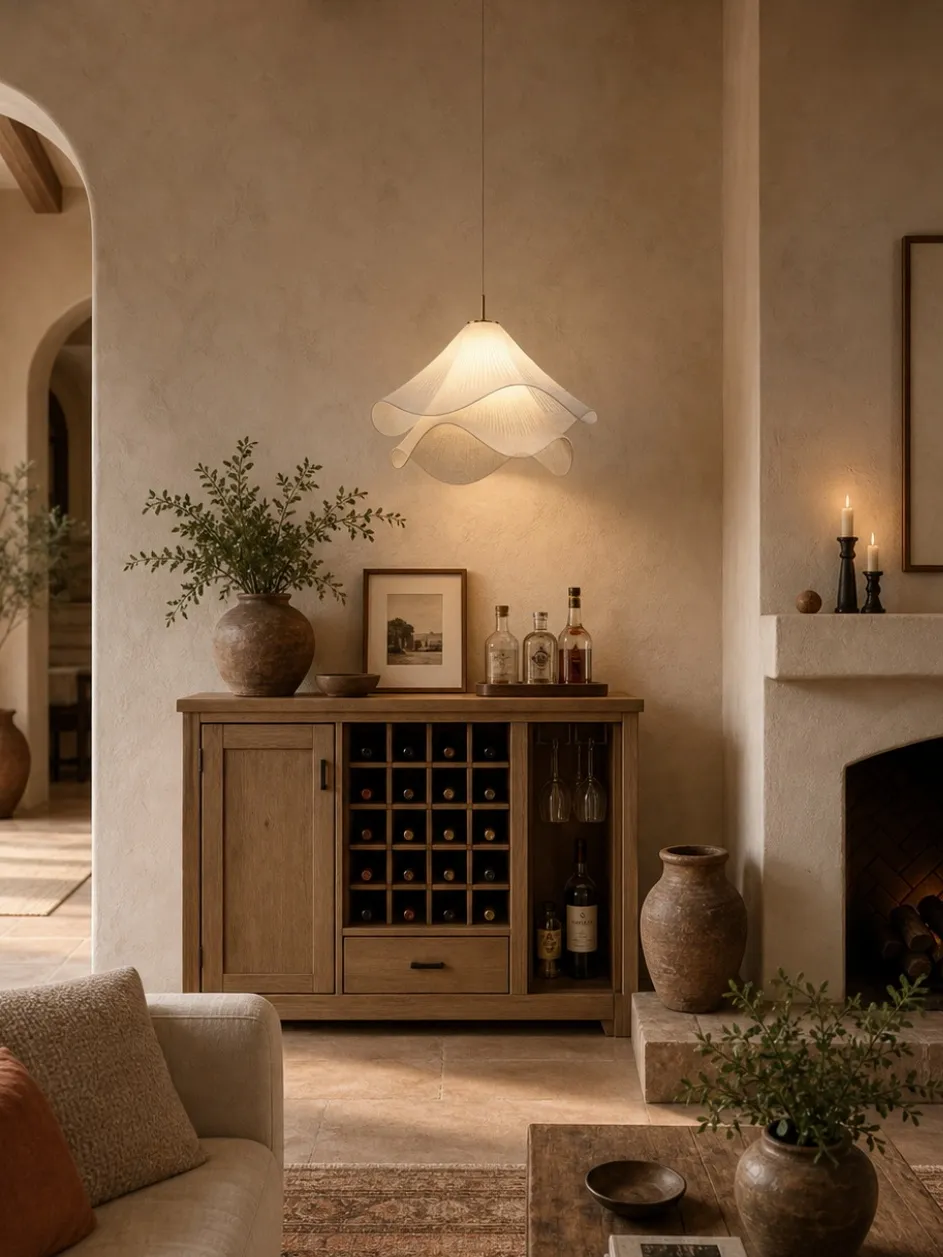
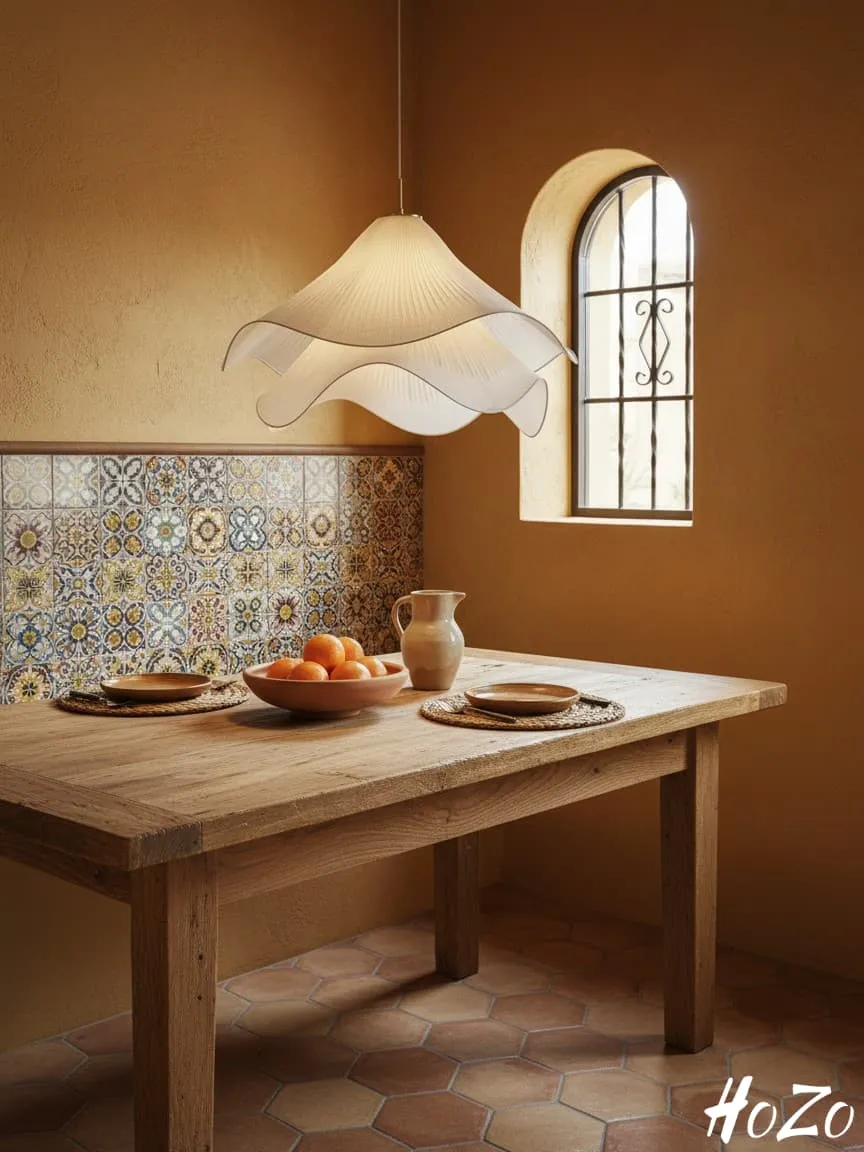
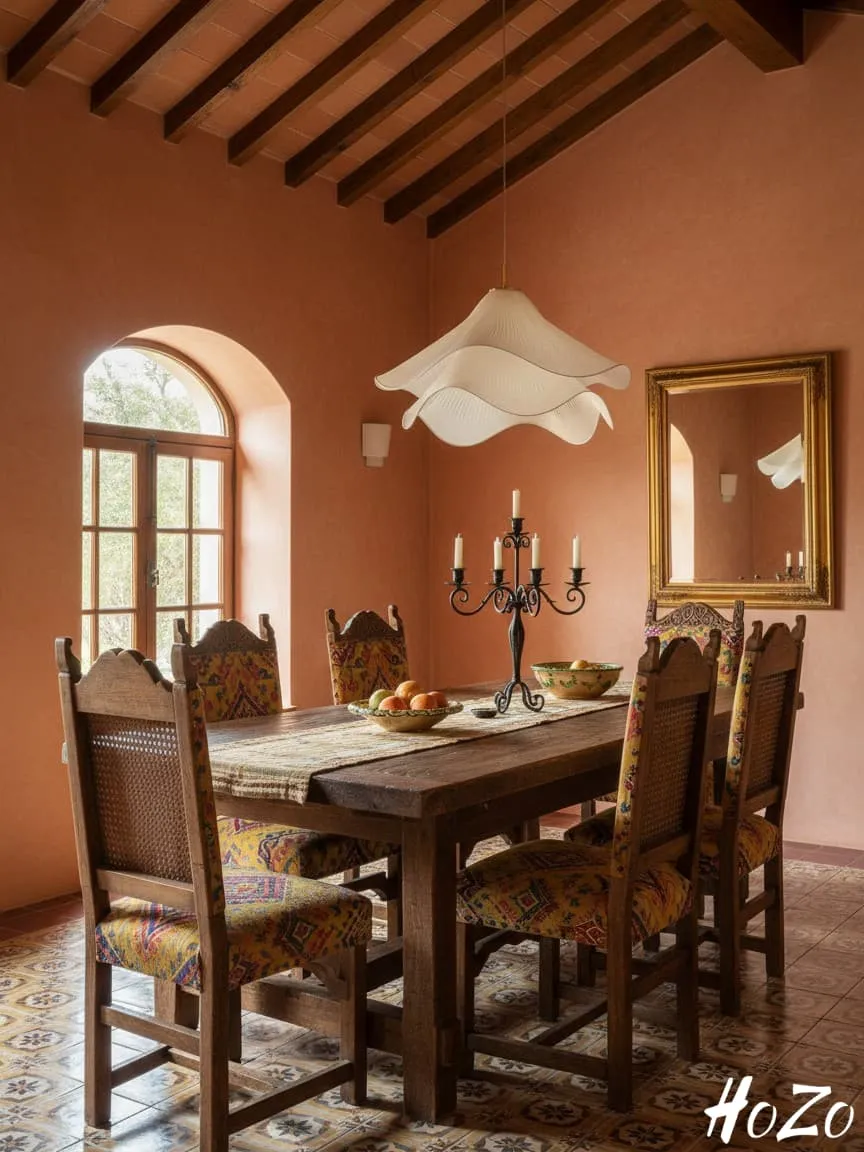
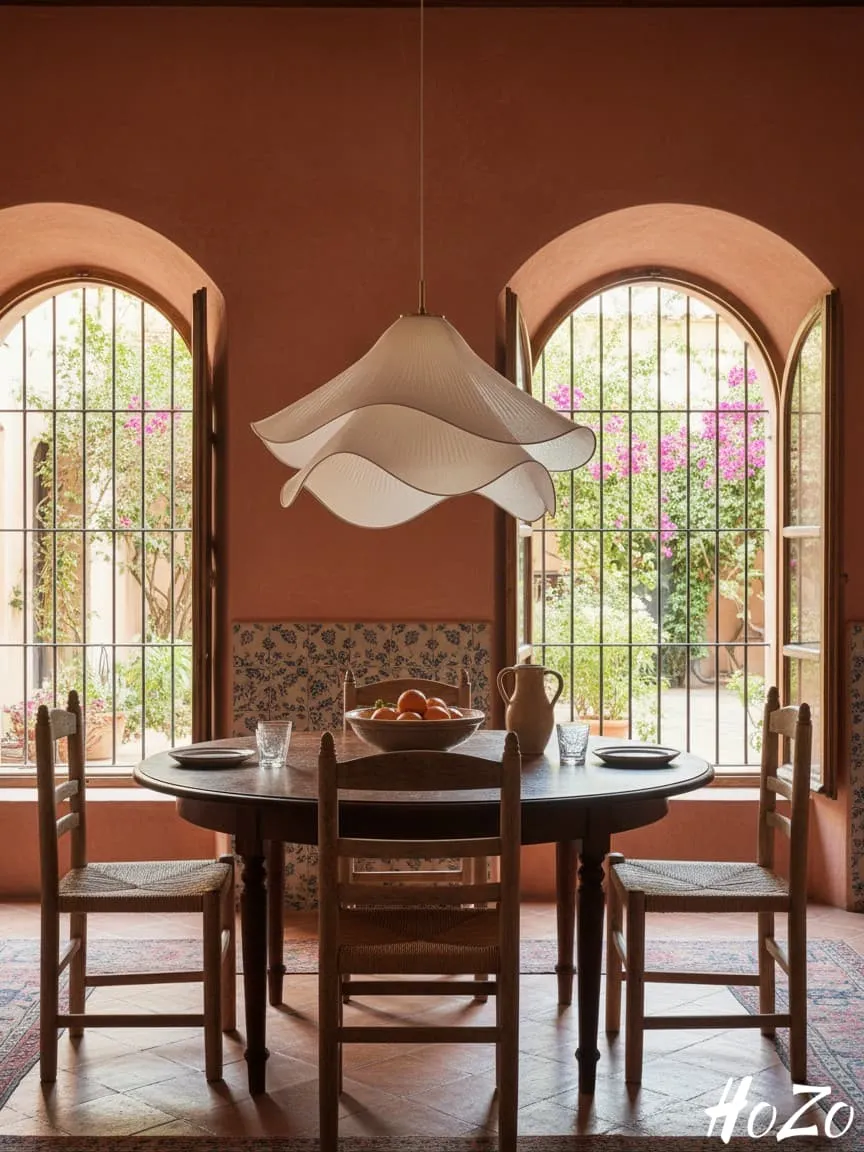
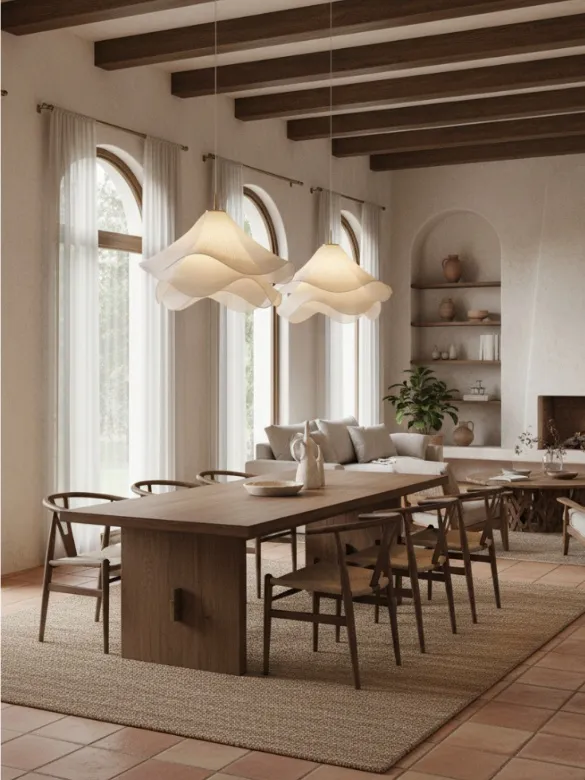
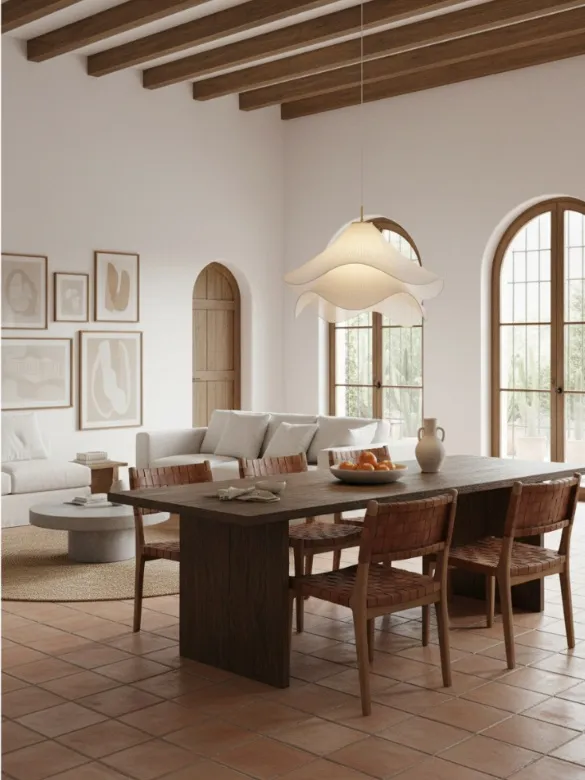
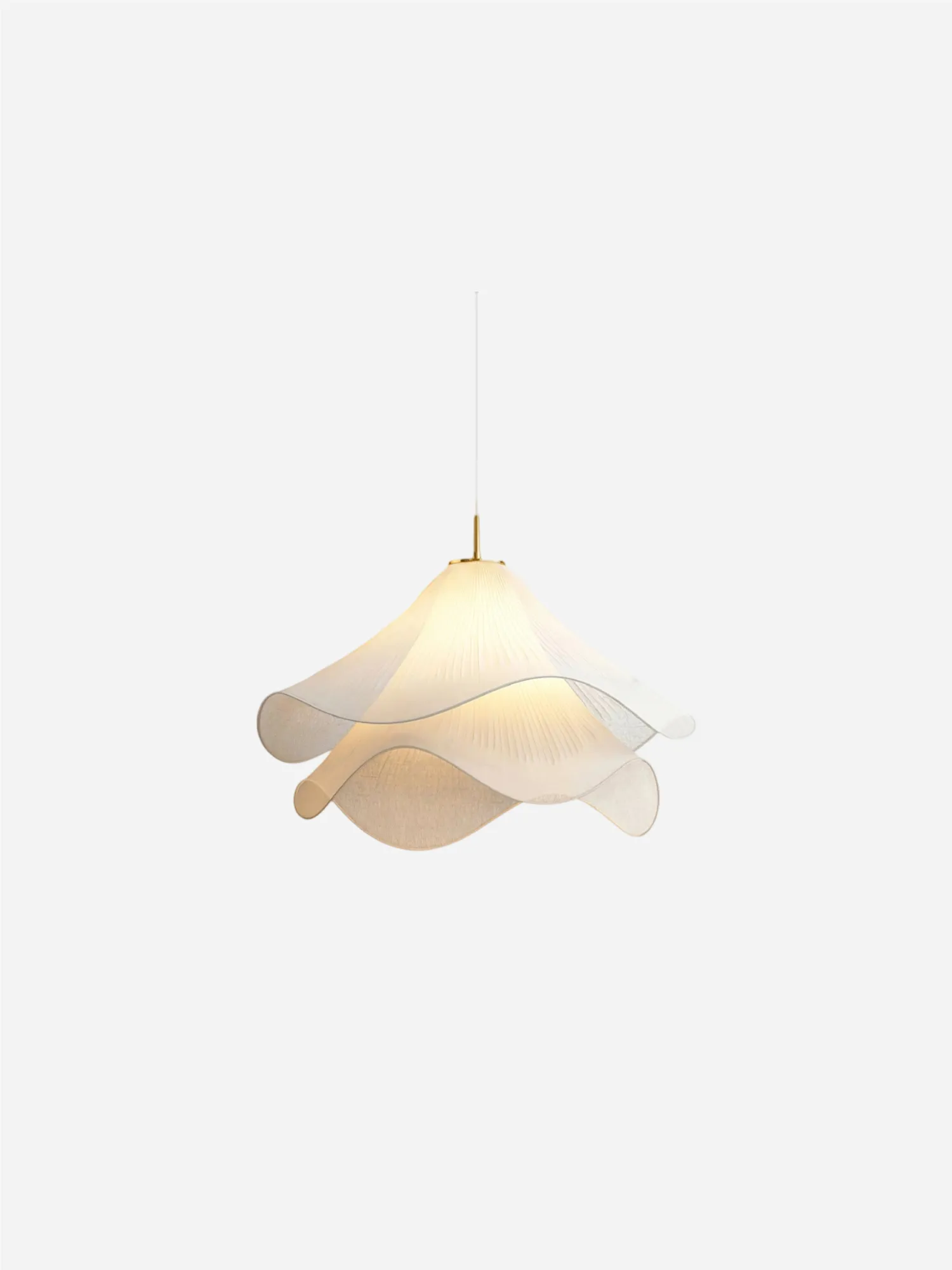
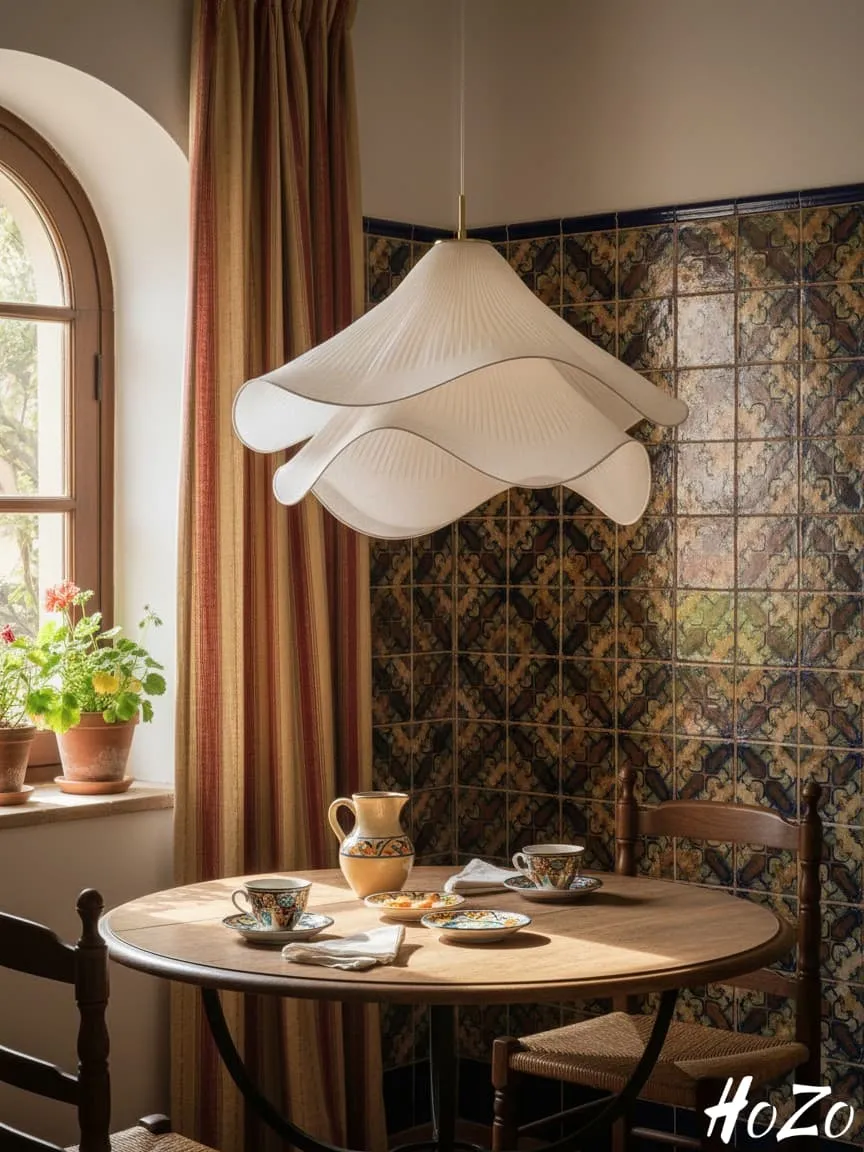
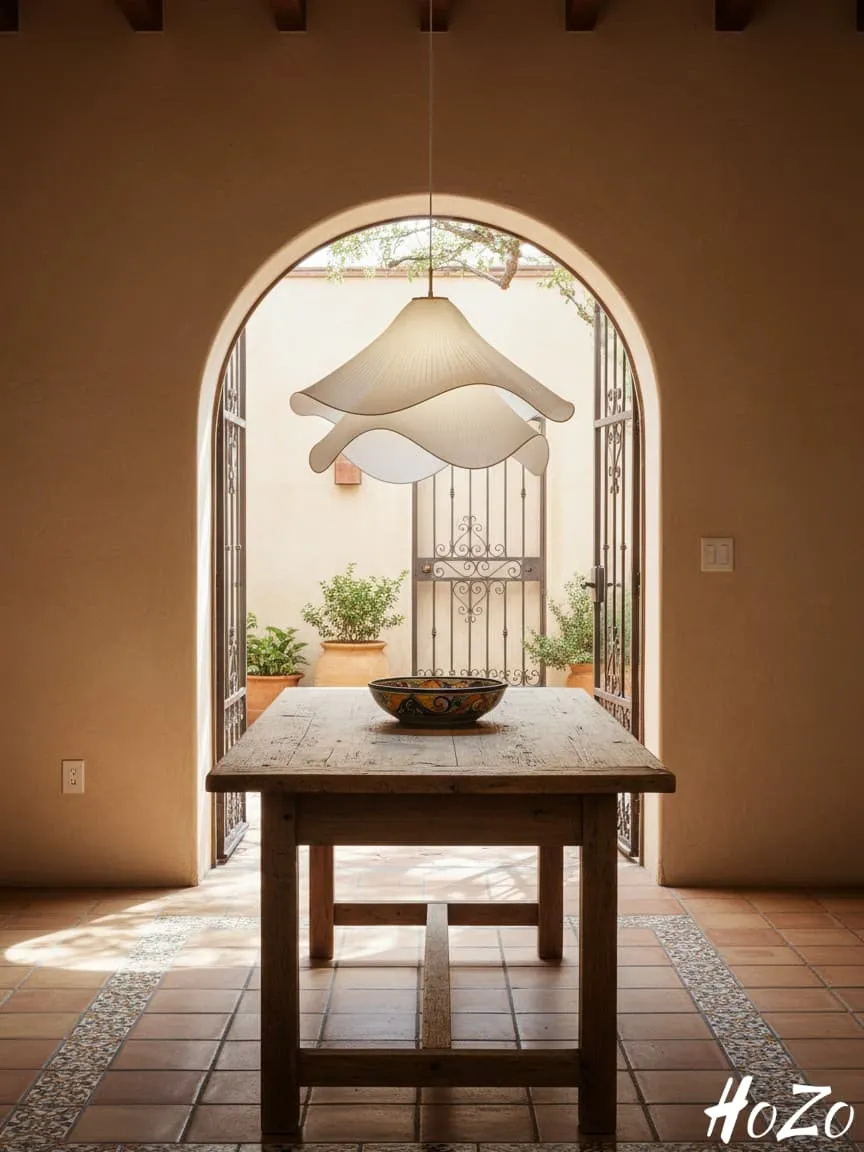
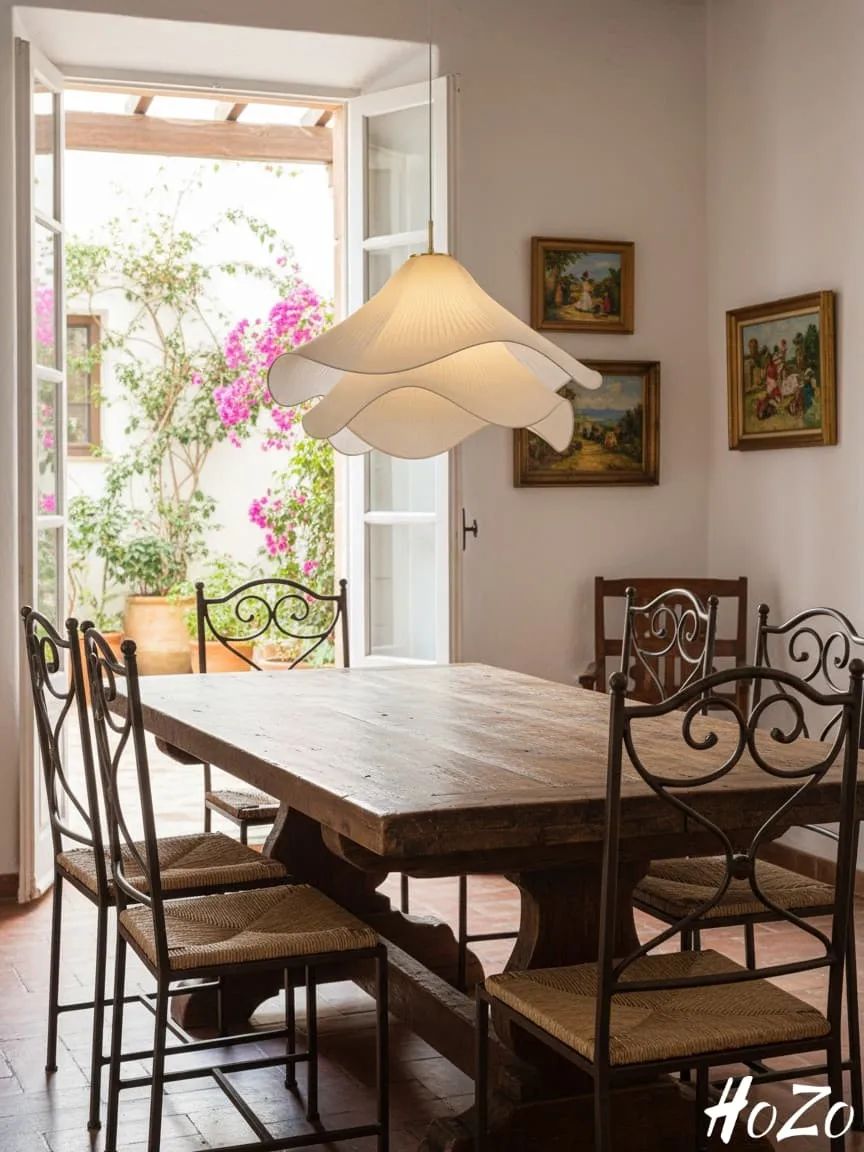
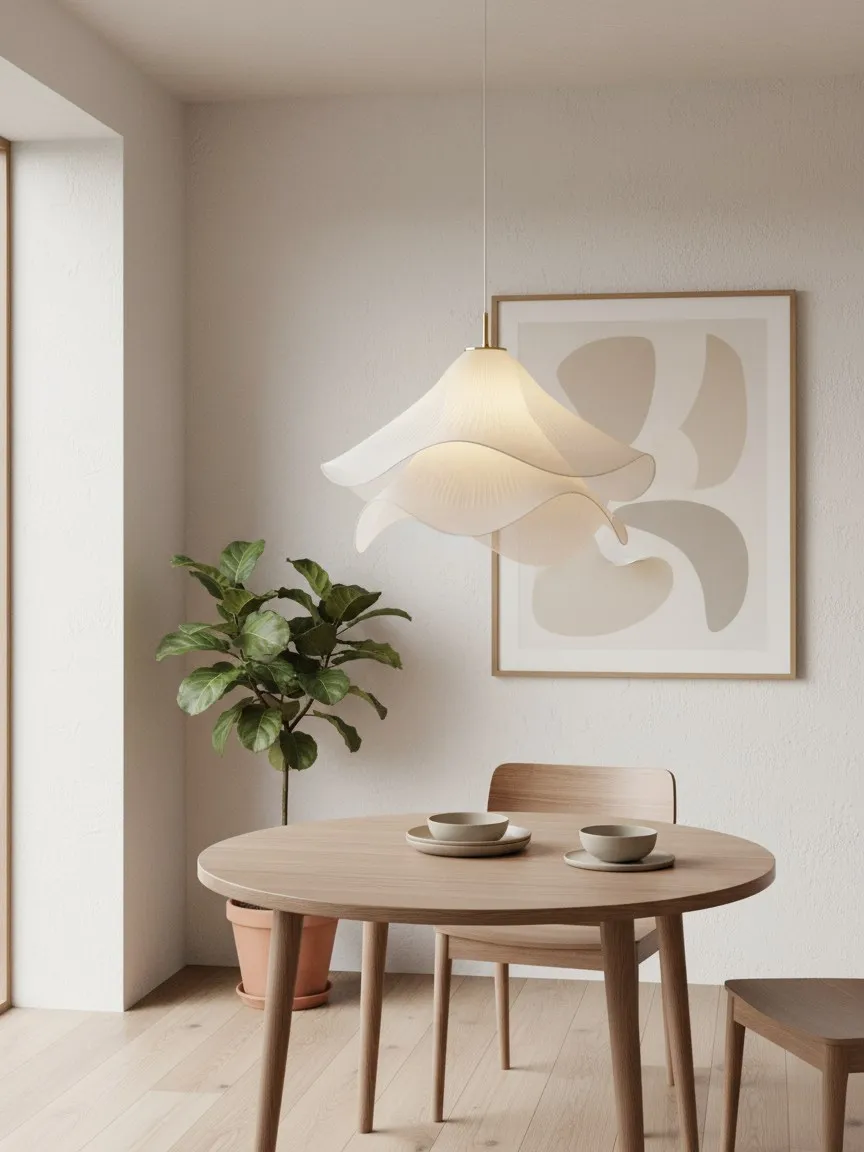
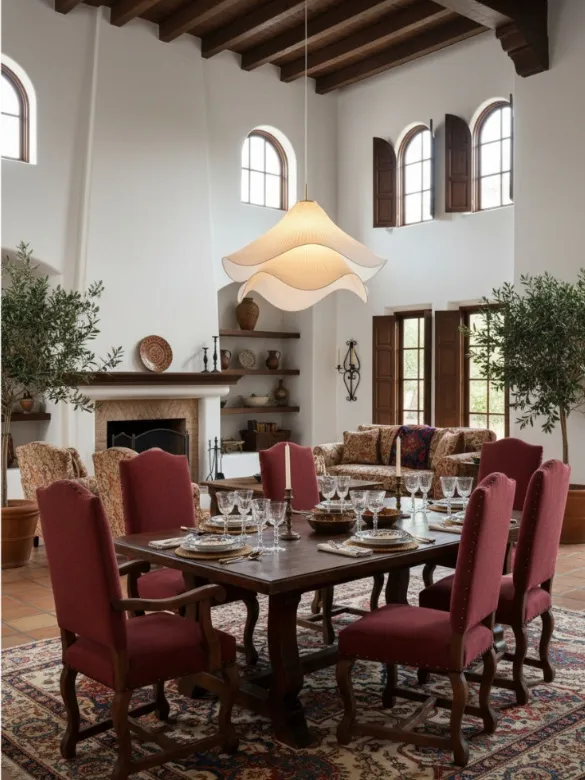
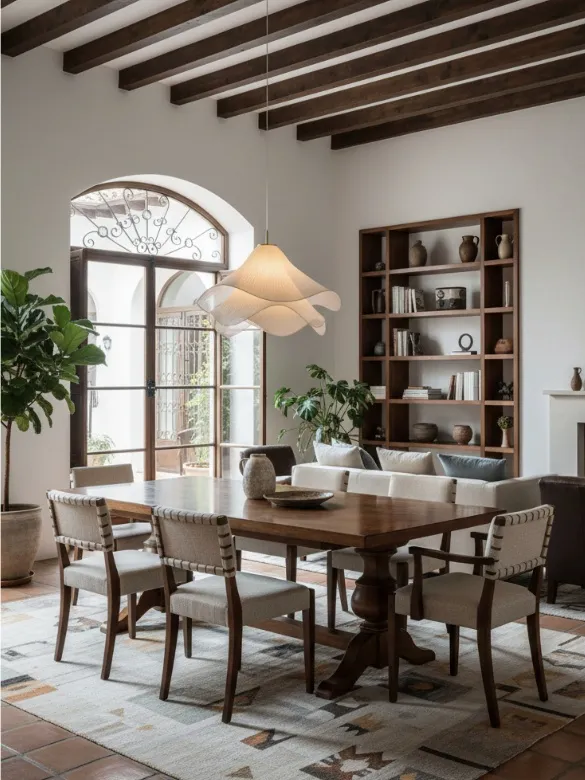
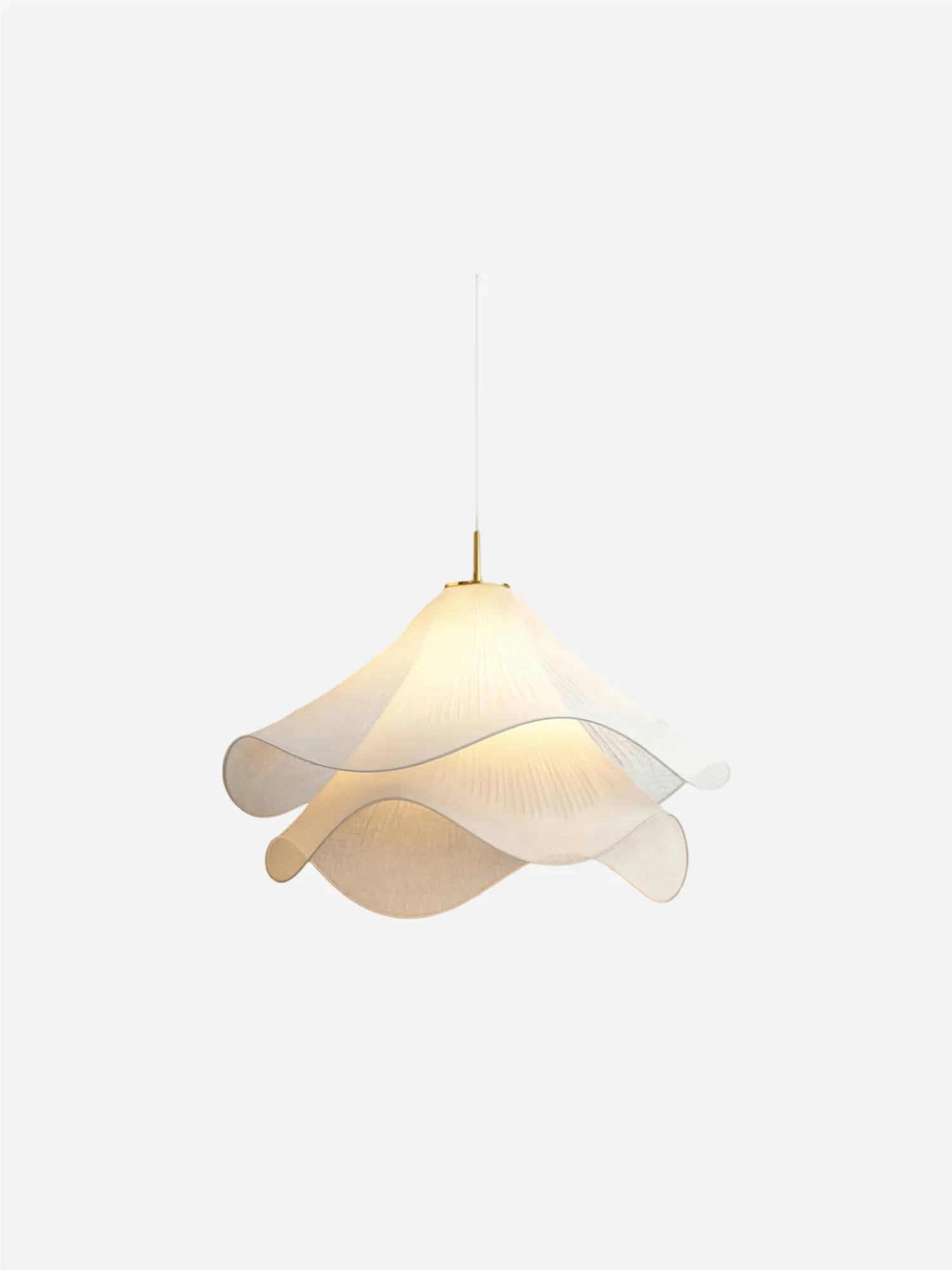
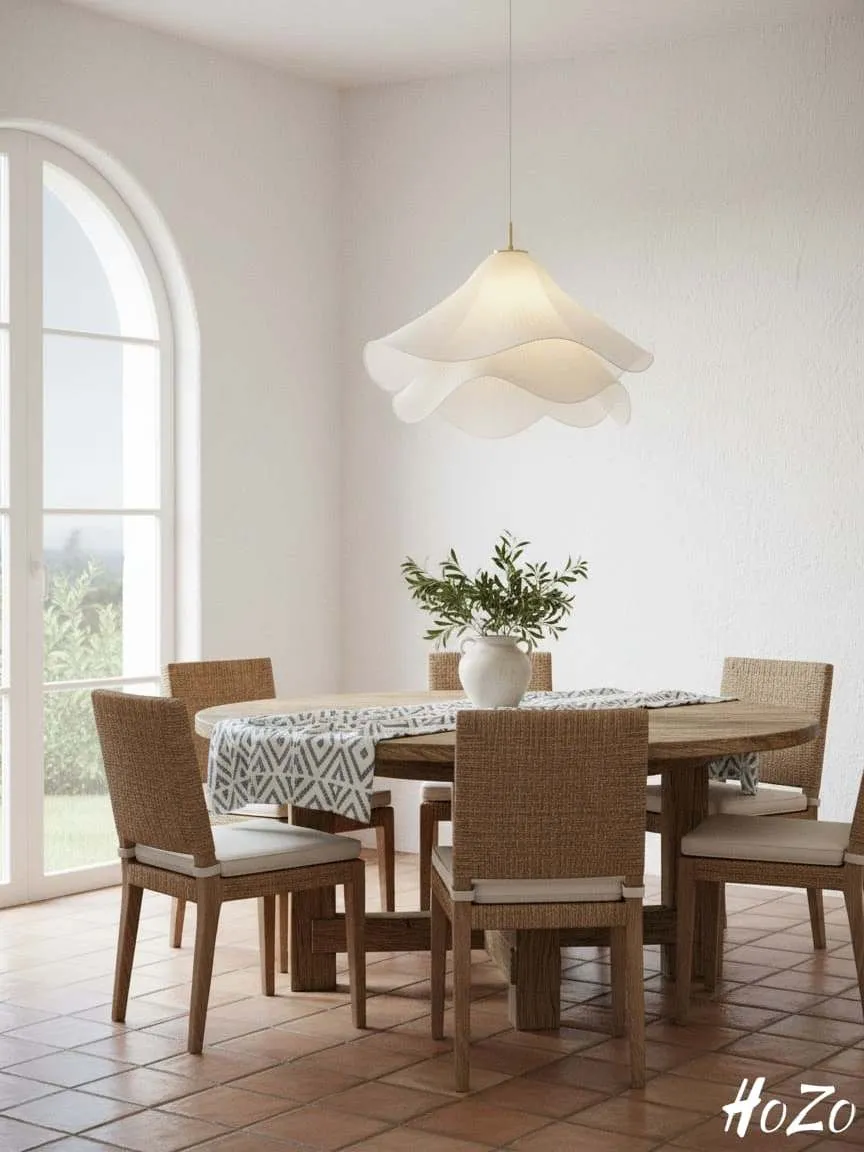
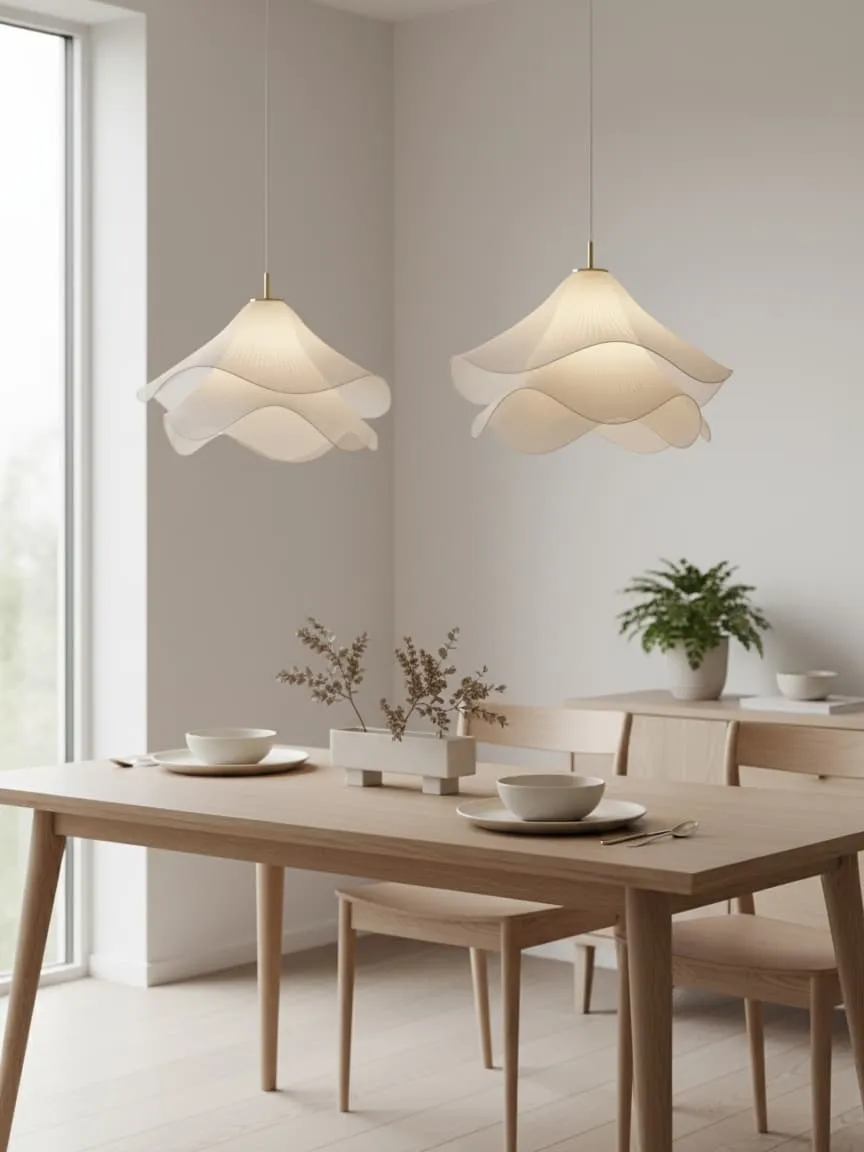
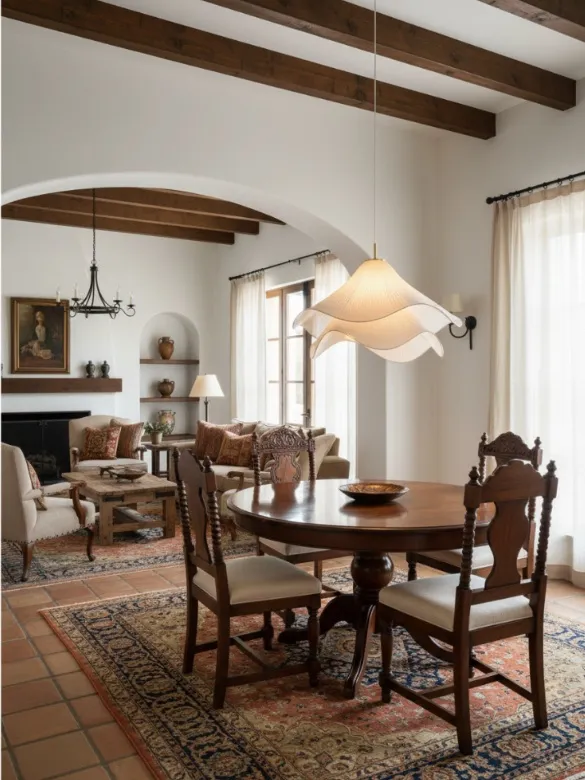
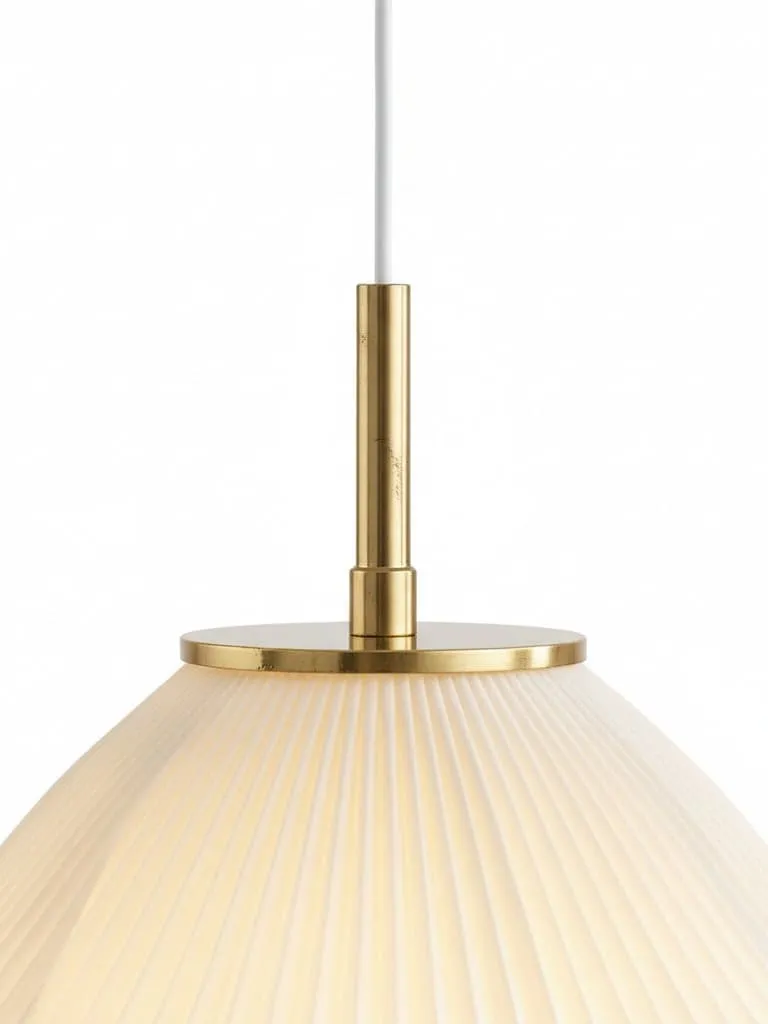
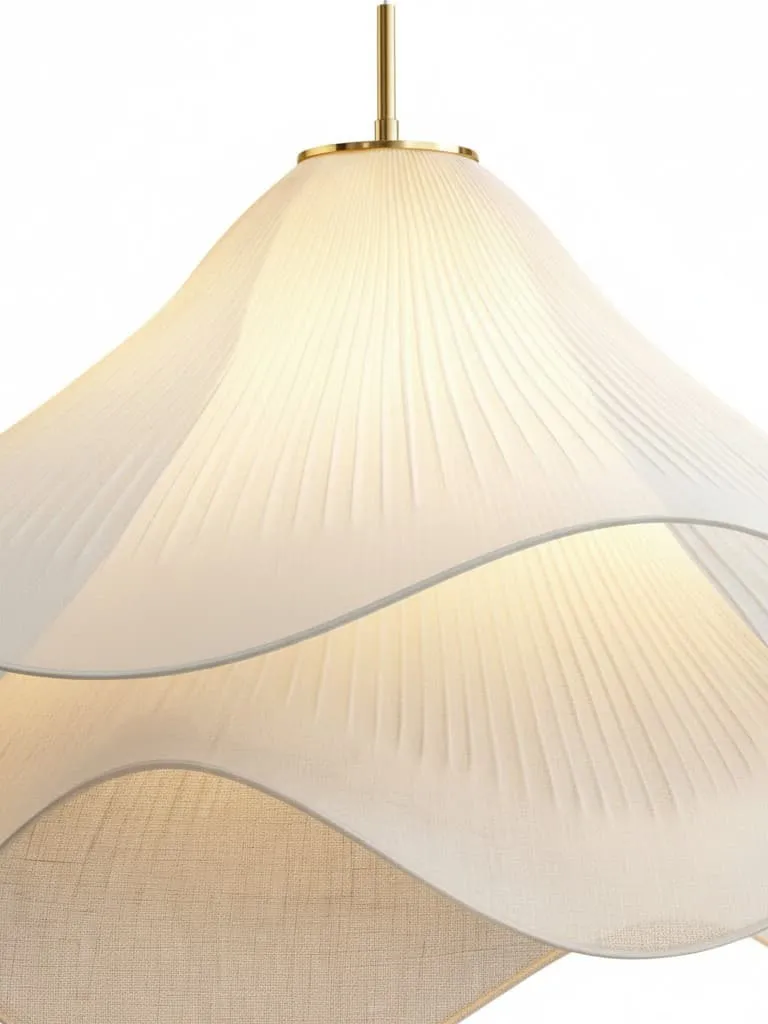
Ethereal Bloom incorporates pleats and multiple layers of fabric, so the light is distributed differently depending on the angle. Don't expect an identical appearance in every room: test the bulb with the shade installed or with a similar fabric sample.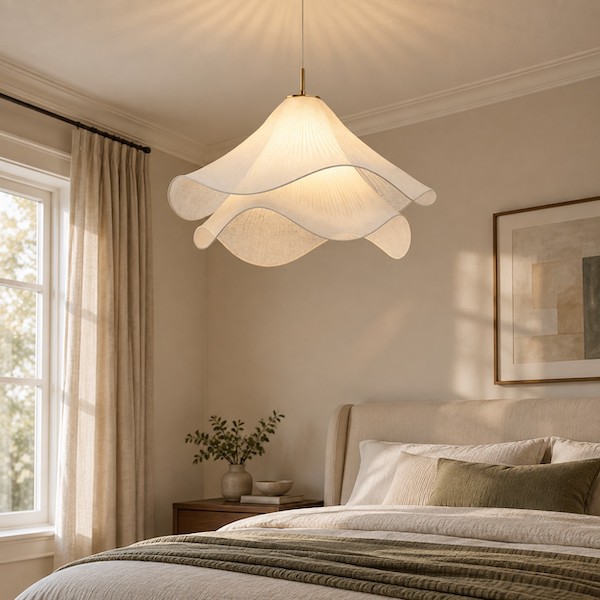
2700 K: the warmest option
Choose 2700K when the bedroom is primarily used for relaxing, conversing, or preparing for sleep. It pairs well with wood, beige textiles, brass, and warm walls. It can also make a white room feel less cold. Its limitations become apparent when you need to distinguish colors accurately or read for extended periods using the main light source.
A pleated lampshade with a 2700K color temperature can create very pleasing shadows, but check that the glare isn't concentrated at the bottom opening. The softness of the fabric doesn't eliminate the need to position the lamp out of direct eye line.
3000 K: a cleaner balance
3000K usually works well when you want a cozy bedroom that's also suitable for light reading, getting dressed, or working for a few minutes. The white of the fabric maintains a brighter presence, and the gold details of Ethereal Bloom still appear warm. It's a good middle ground if 2700K feels too yellow for you.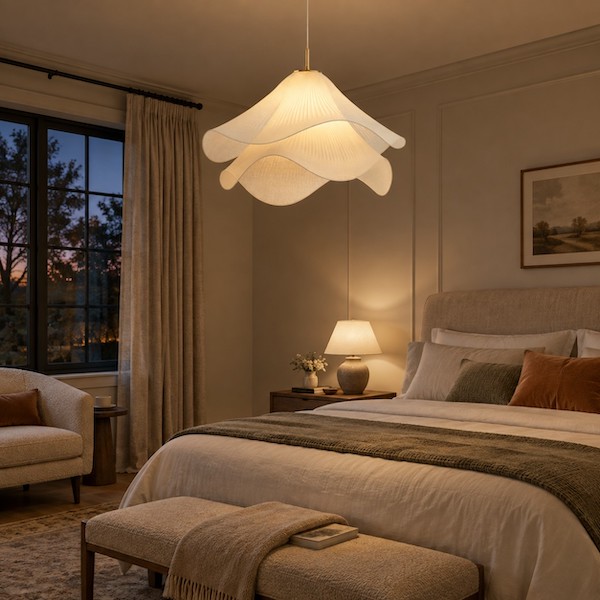
Don't confuse 3000K with more lumens. The light may appear sharper without actually being more powerful. If the bed or closet is still dark, add a task light source instead of increasing the color temperature.
When to consider a cooler temperature
A light source of 3500K or higher can make sense in a bedroom that also serves as a dressing room or office and receives plenty of white light during the day. Even so, check how it mixes with existing lamps. A warm fabric lampshade next to a cool bedside lamp can make the ceiling and bed appear to belong in different rooms.
If the room has a smart system or multiple lights, choose separate lighting scenes instead of aiming for a single perfect temperature. If the room only uses a single switch, select a bulb that works well during peak usage times.
The five-minute nighttime test
- Turn off all lights except the hanging lampshade.
- Look at the fabric from the bed, the door, and the side of the room.
- Check if the ceiling receives a pleasant halo or a harsh glare.
- Turn on the reading light and check if the combination still works.
- Repeat the test at a different temperature if the white changes too much or the environment is not comfortable.
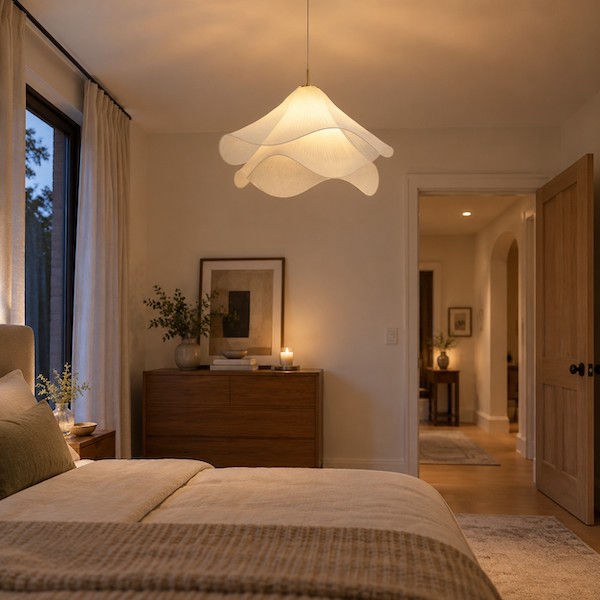
It also compares the color of the skin, bedding, and wood. You don't need to measure them: simply confirm that the materials look the way you want during actual use.
Compatibility and safety before buying
The Ethereal Bloom product information specifies LED or Edison bulb, E26 or E27 socket, and a 110–240V range. Always verify that the specific bulb is compatible with your local electrical system and respects its limits. The lamp is rated for indoor use (IP20), fixed wiring, and ceiling mounting; it is not suitable for areas exposed to splashes.
For a connection check or wiring changes, consult the recommendations of Electrical Safety First and stop work if the electrical point or ceiling fixing is not ready.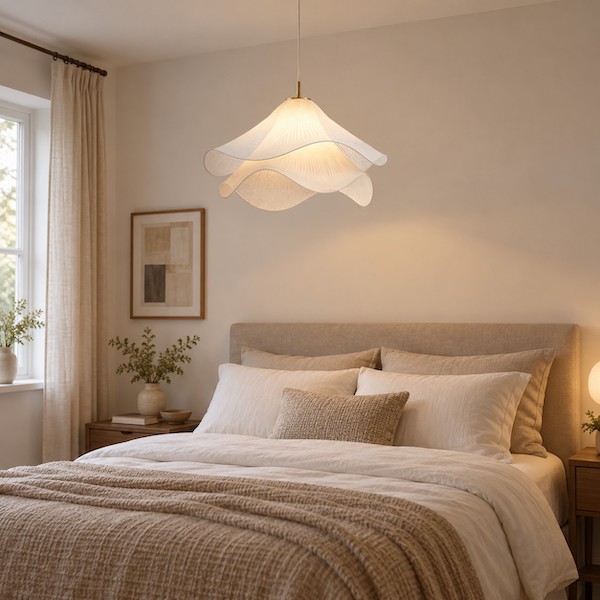
Final decision
For most bedrooms with white fabric shades, I would start with 2700K and have 3000K as a balancing alternative. The best choice is the one that maintains a soft reading of the space, doesn't overly alter the white, and allows task lights to do their job effectively. If you want to understand the role of the lamp in a biophilic plan, check out Biophilic lighting for bedrooms: how flower-shaped pendant lamps create a more tranquil space and How to plan biophilic lighting for the bedroom without relying on houseplantsTo compare the spread of the floral shape with another screen, see Flower-shaped pendant lamp versus cylindrical shade: which offers softer light in the bedroom?.
Frequently asked questions about Kelvin and white fabric
Is 2700 K always the best option?
No. It's a good warm starting point, but the walls and the use might favor 3000 K.
Will 3000 K make the bedroom feel cold?
Not necessarily. With fabric, wood, and secondary lighting, it can still be cozy.
Does temperature change brightness?
Not on its own. Brightness depends primarily on lumens, optics, screen, and distance.
Can I mix 2700 K and 3000 K?
Yes, if each source has a clear function and the mix does not create two opposing atmospheres.