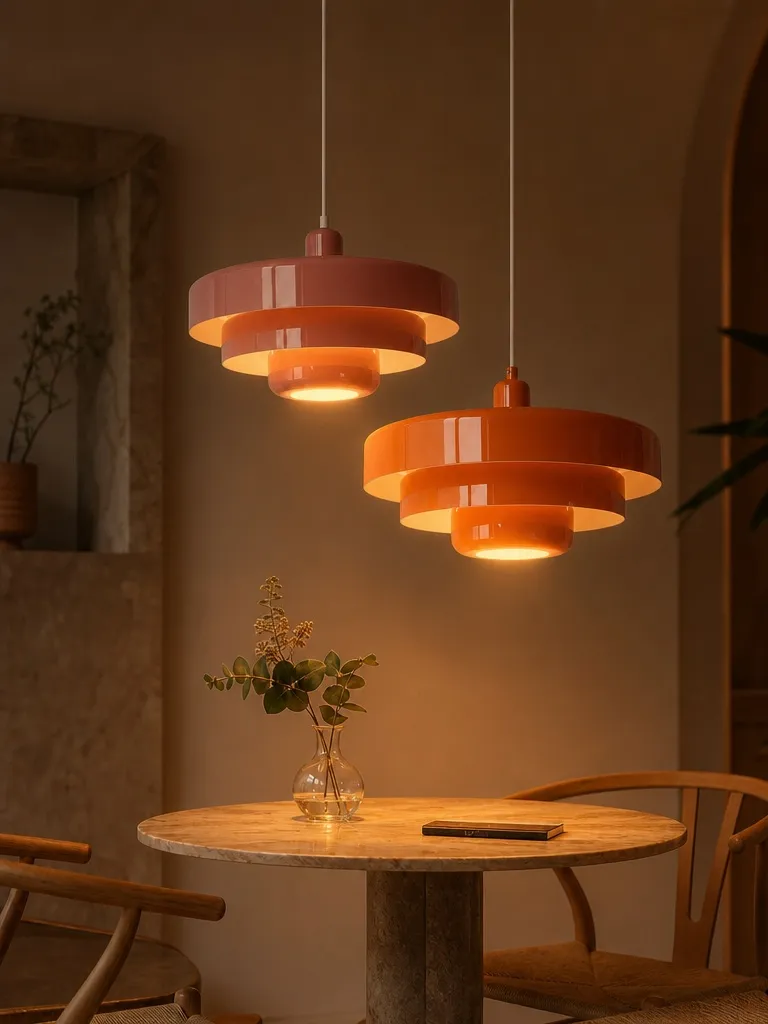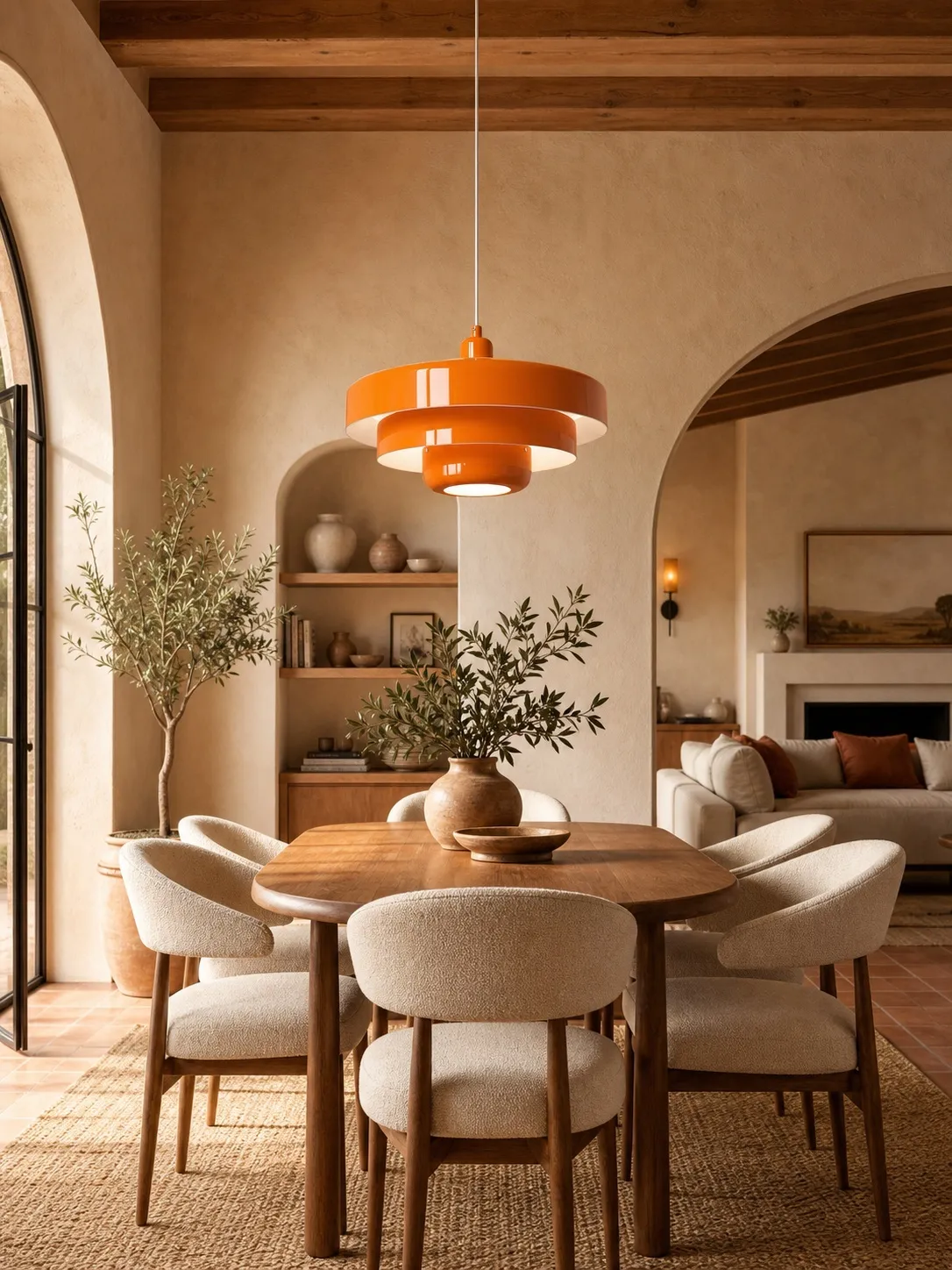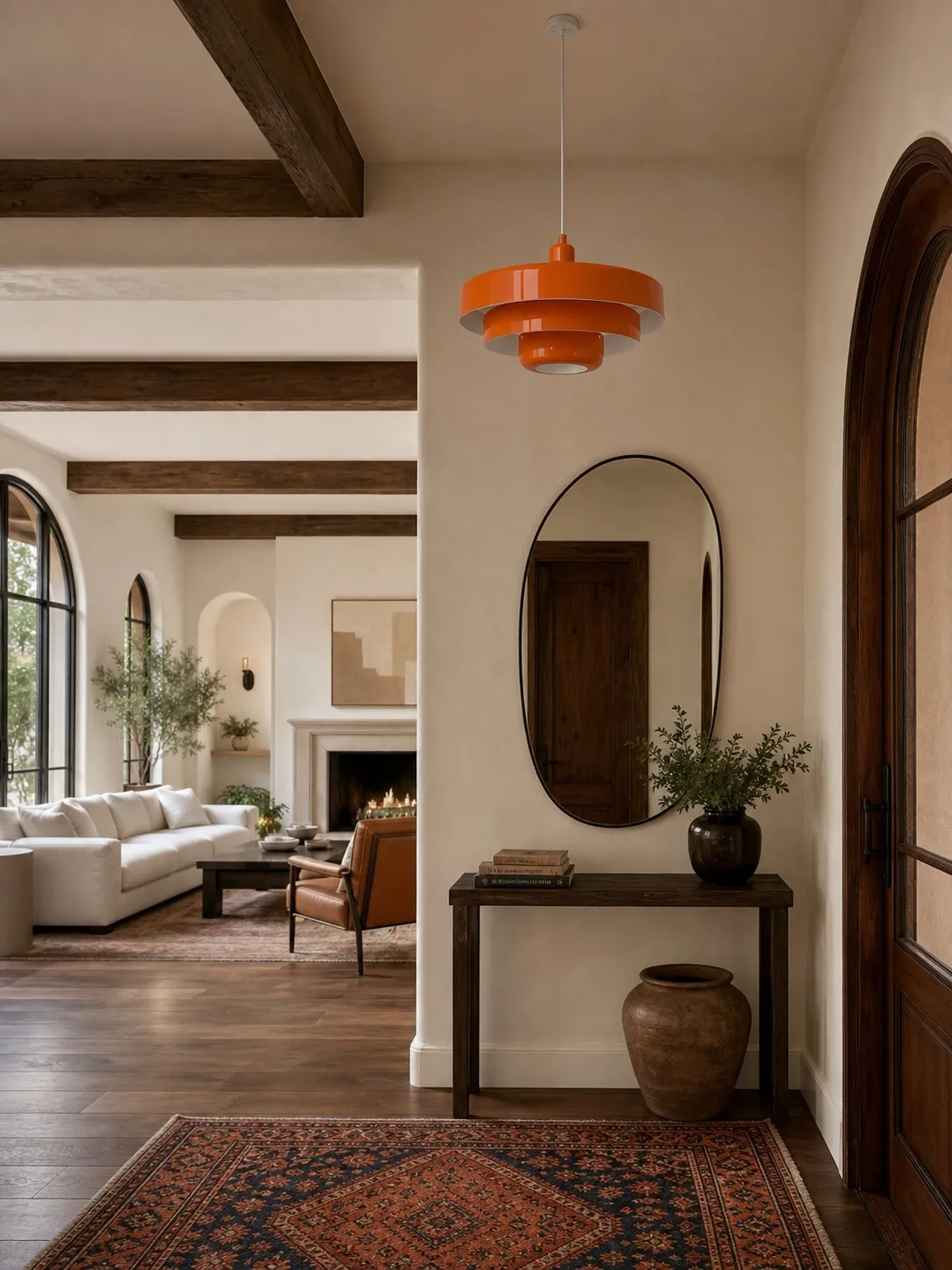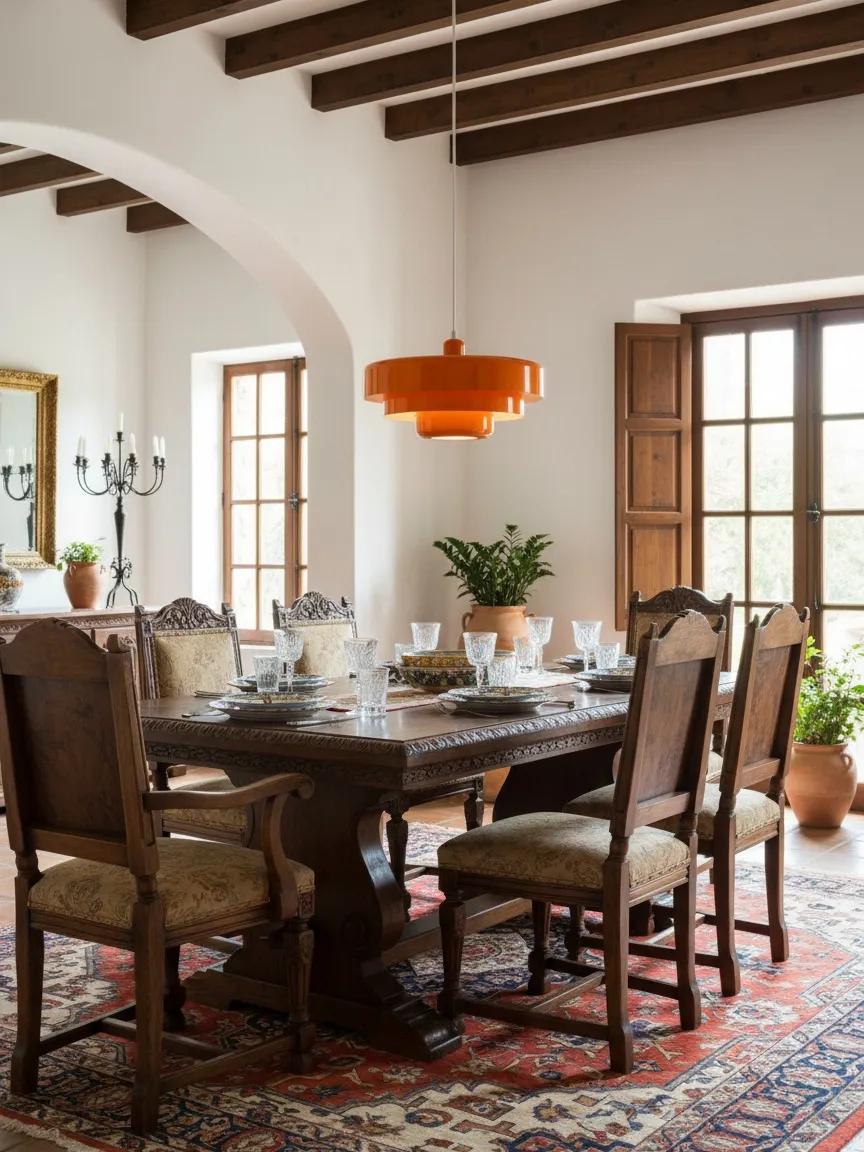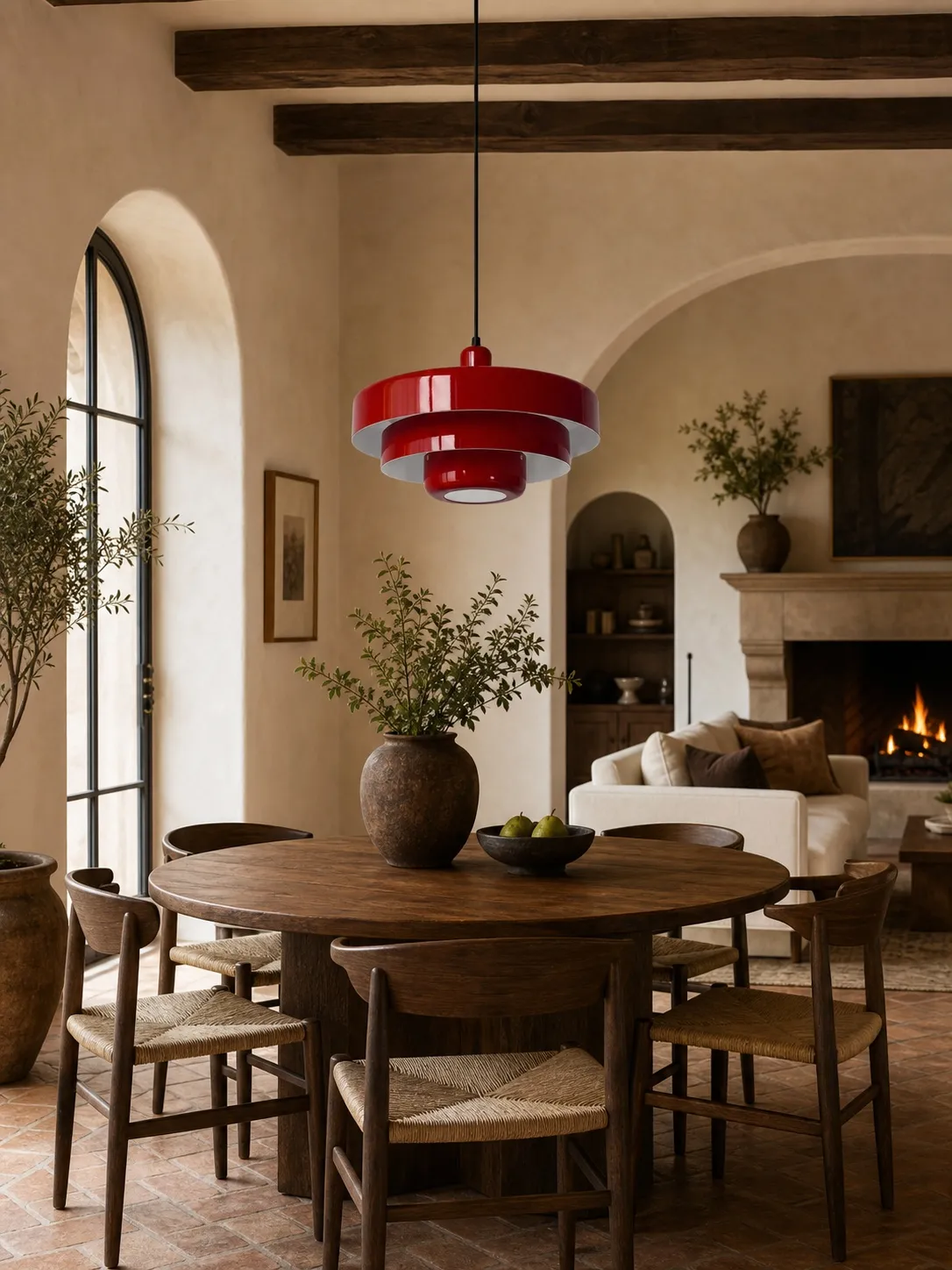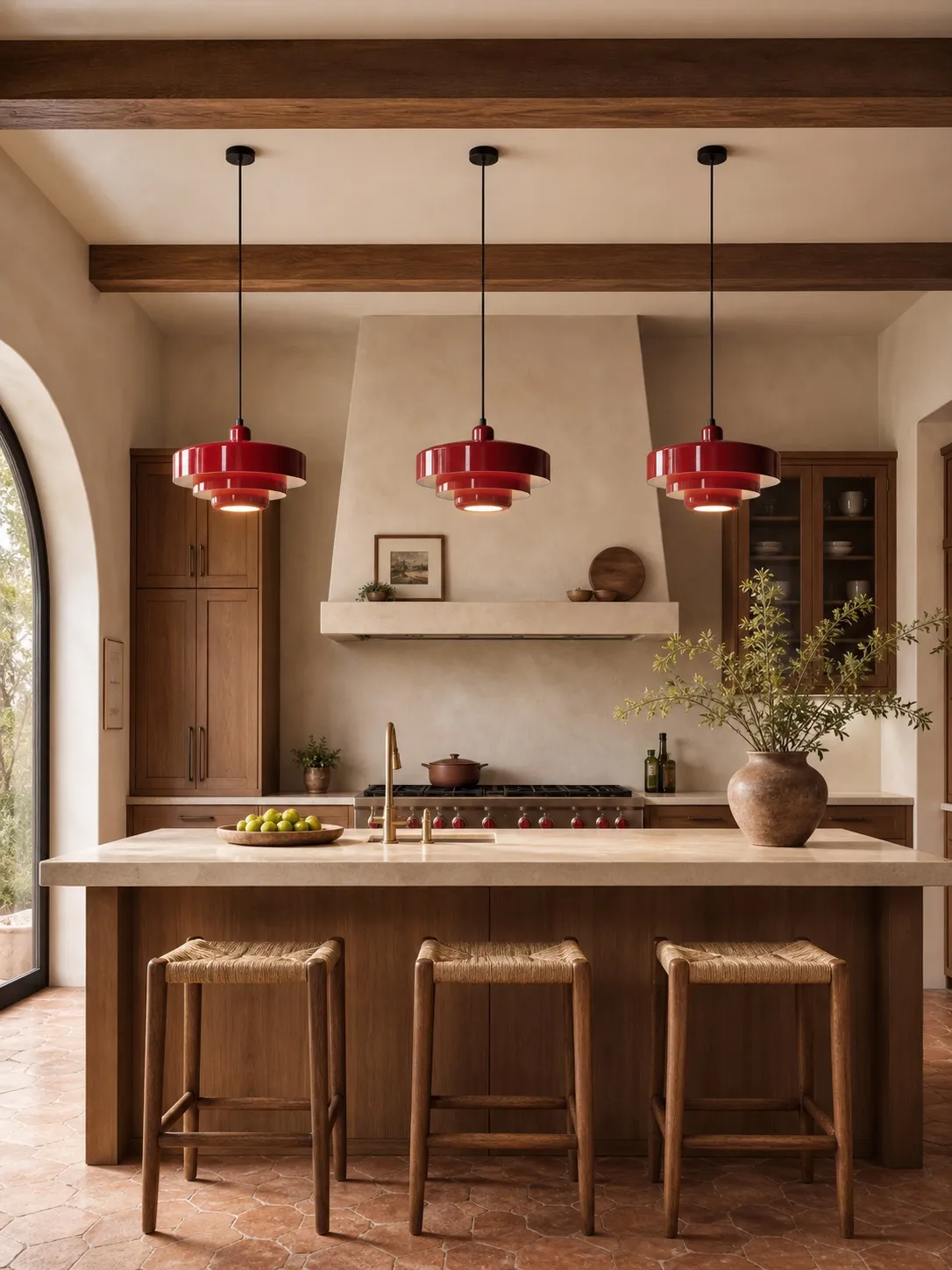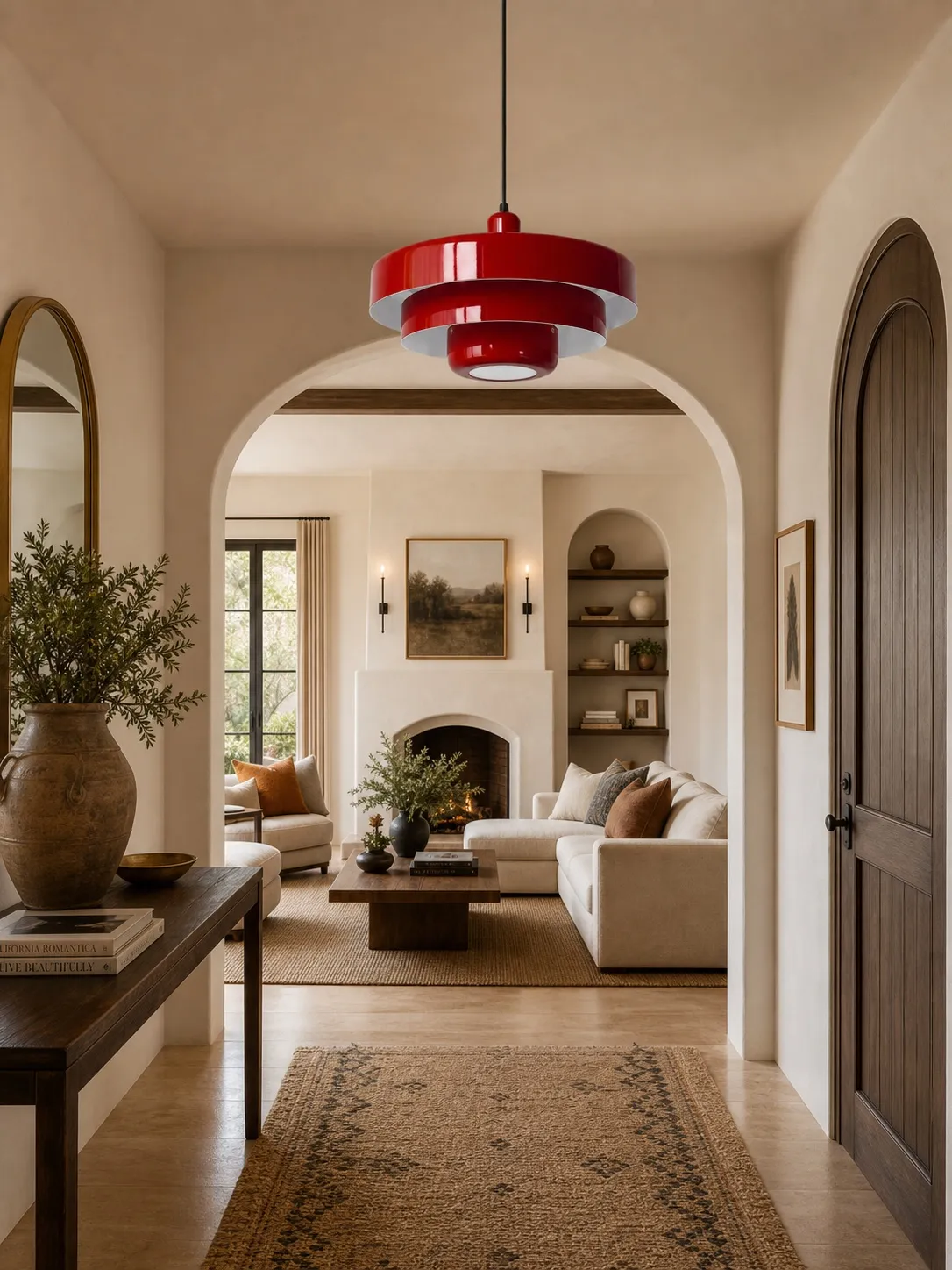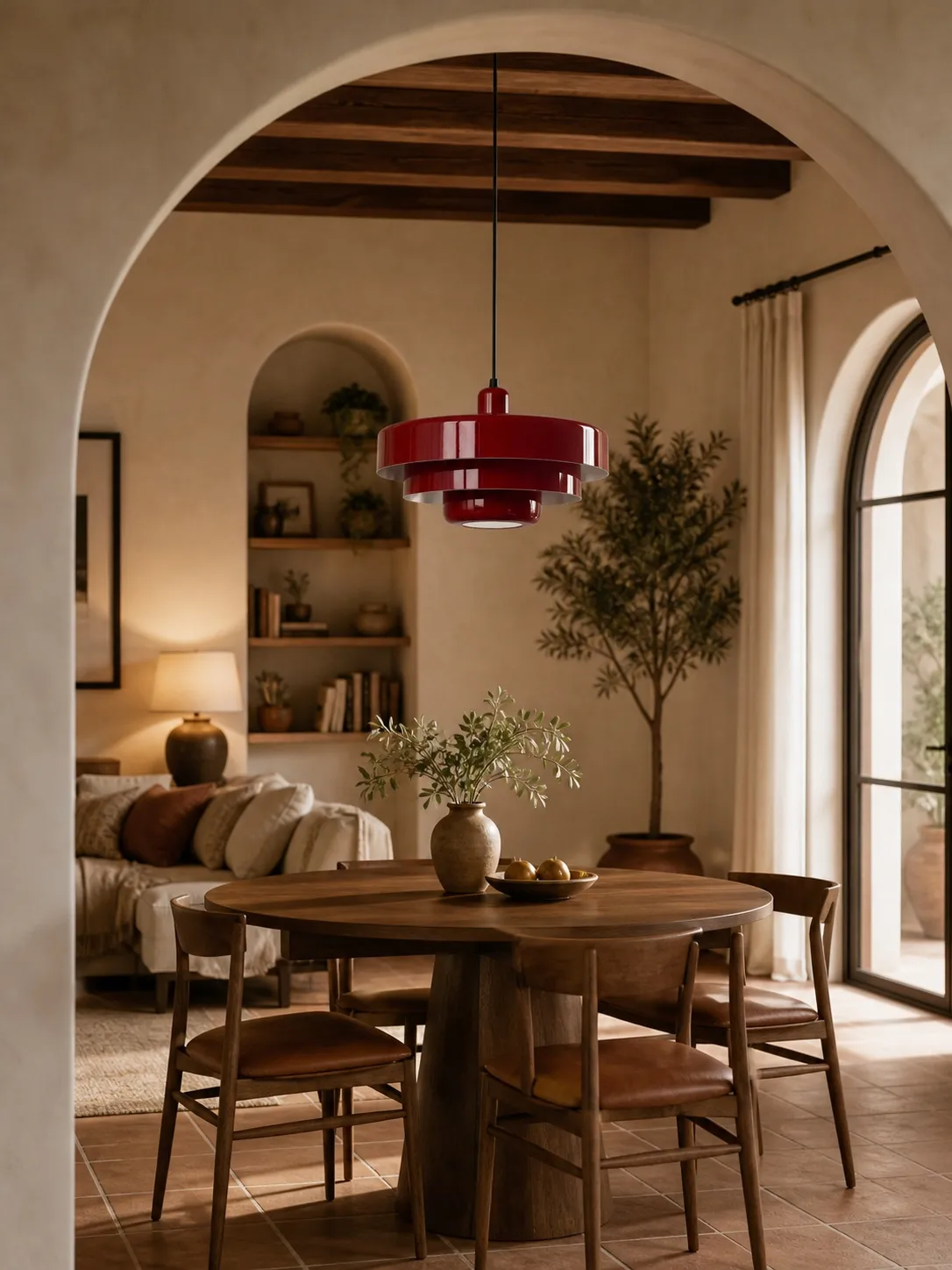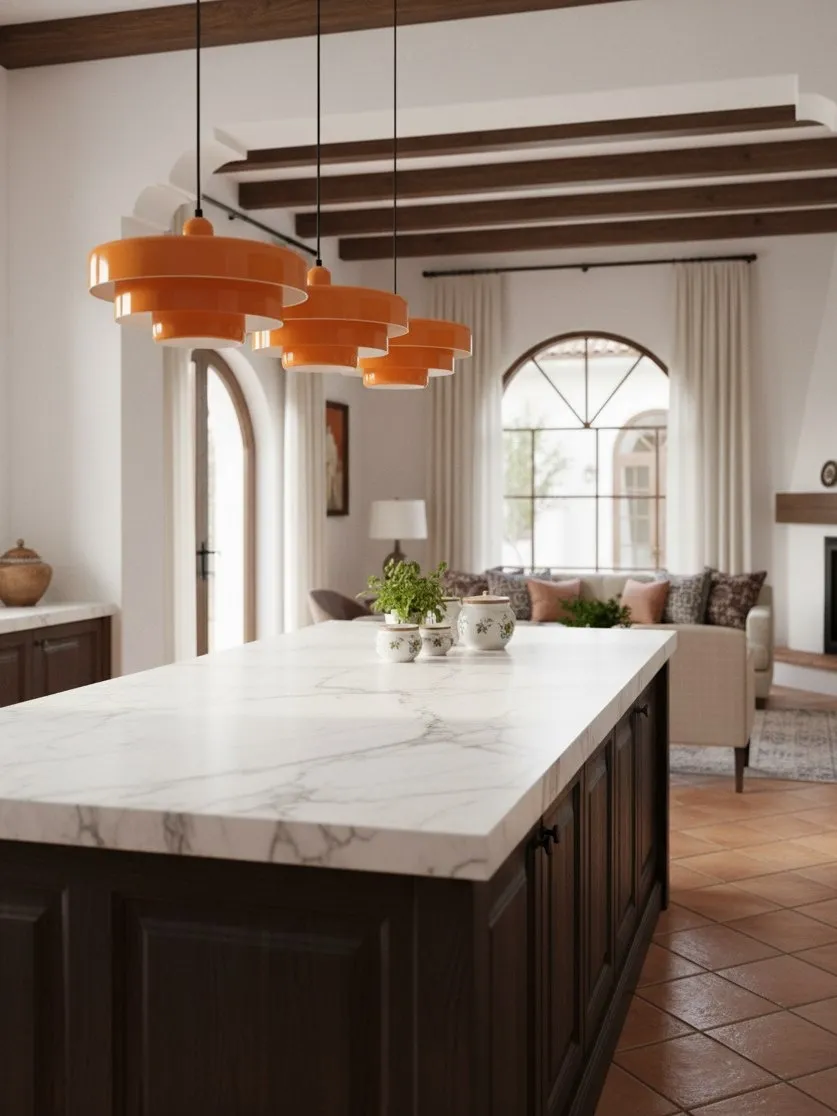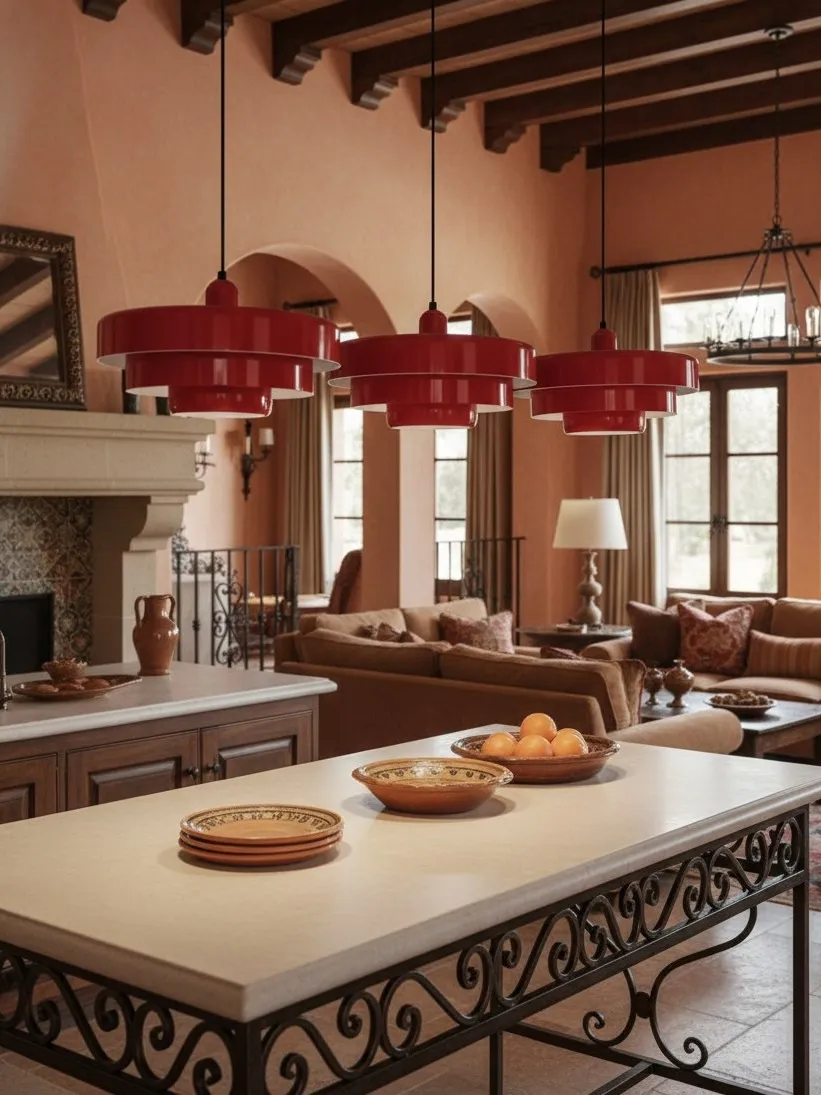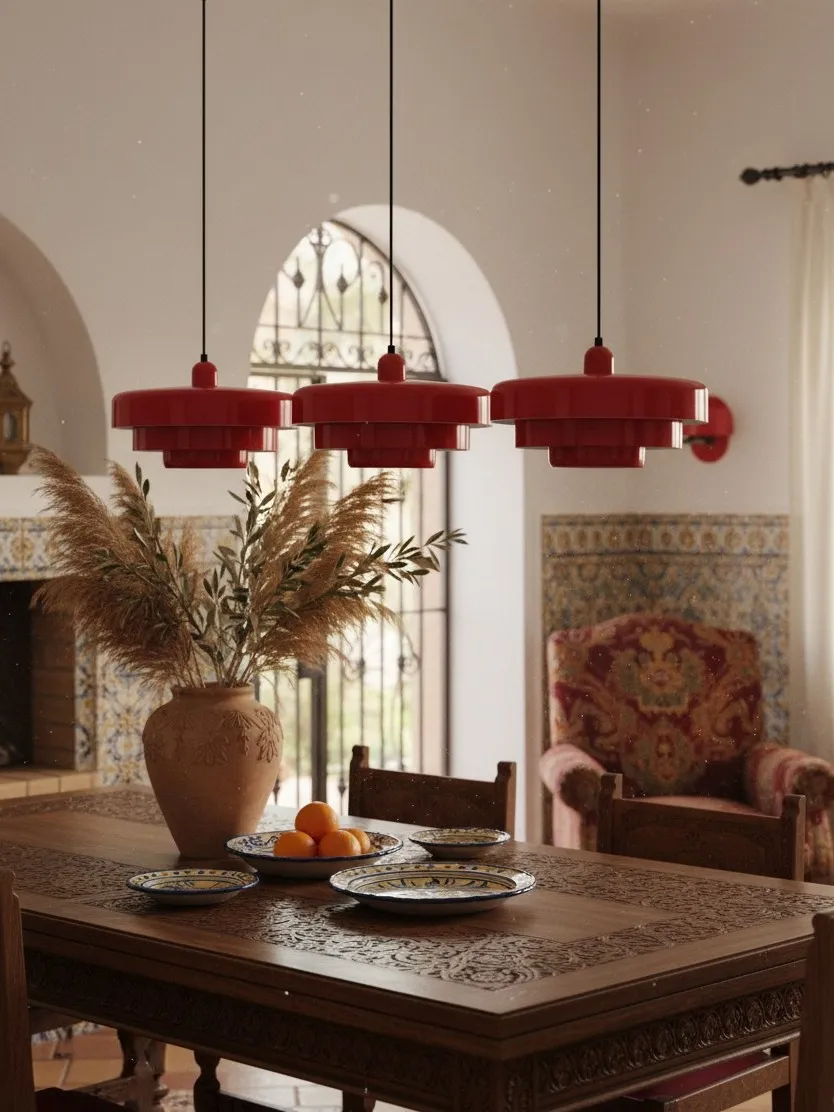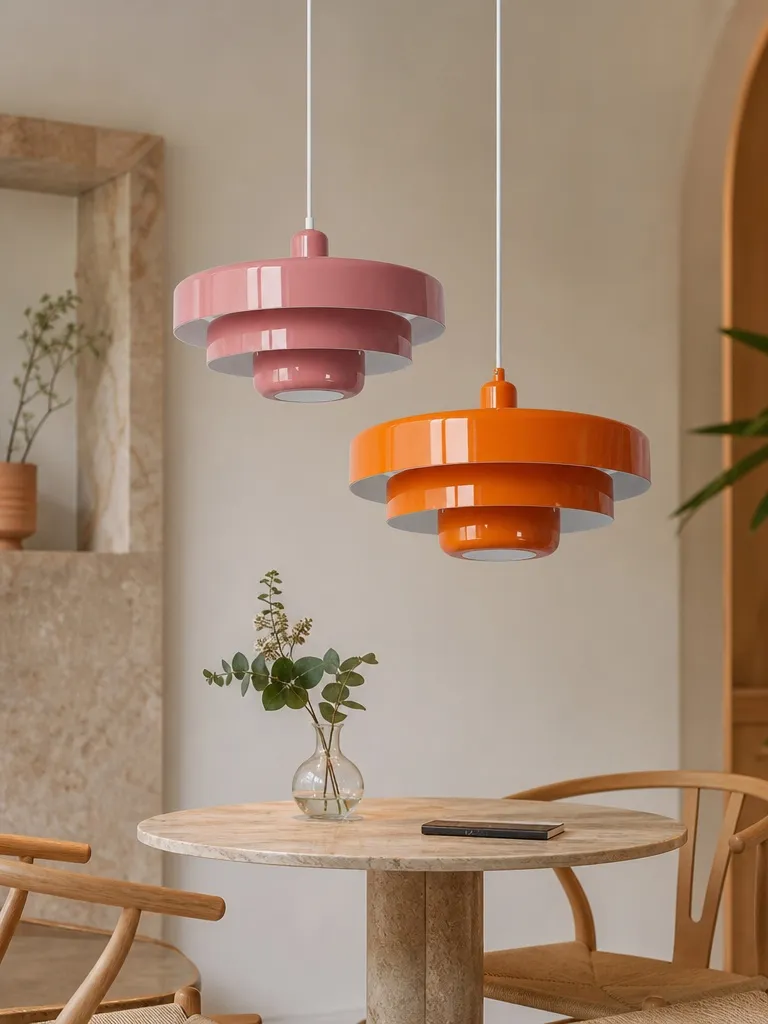
How Wide Should a Pendant Light Be? Size It Differently for Round and Rectangular Tables
For a round table, start with one round pendant about one-half to two-thirds of the tabletop diameter. For a rectangular table, size the whole visual arrangement along the table's length: one linear fitting or the combined spread of repeated pendants should usually occupy about one-half to two-thirds of that long axis. In both cases, keep the fixture comfortably inside the table edges and test its real visual weight.
The Round-Table Rule: Compare Two Diameters
Measure the tabletop across its widest point. Multiply that diameter by 0.5 and 0.67 to create a useful starting band. A 100 cm round table, for example, suggests a visible pendant diameter around 50-67 cm if one fitting is intended to be the main visual centrepiece. This is a design test, not a safety code.
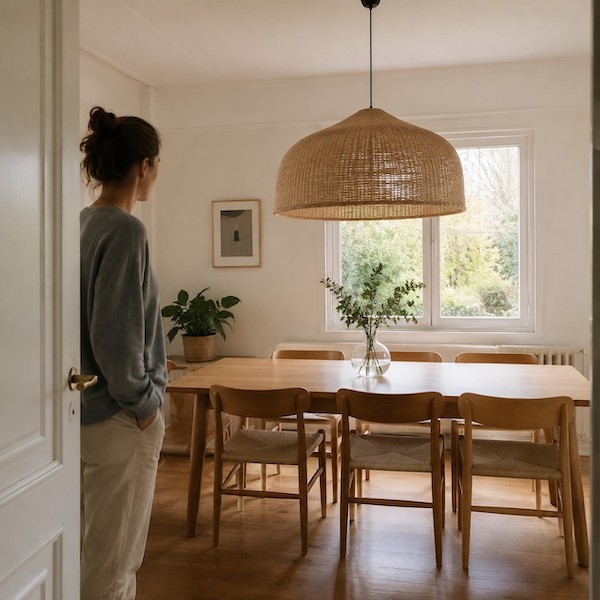
A smaller pendant can still work when the room is intentionally quiet, the shade has a strong silhouette or the table seats only two to four people. A larger shade may work when it is visually open and kept clear of standing shoulders. Tape the proposed diameter on the tabletop, then look at it from the doorway.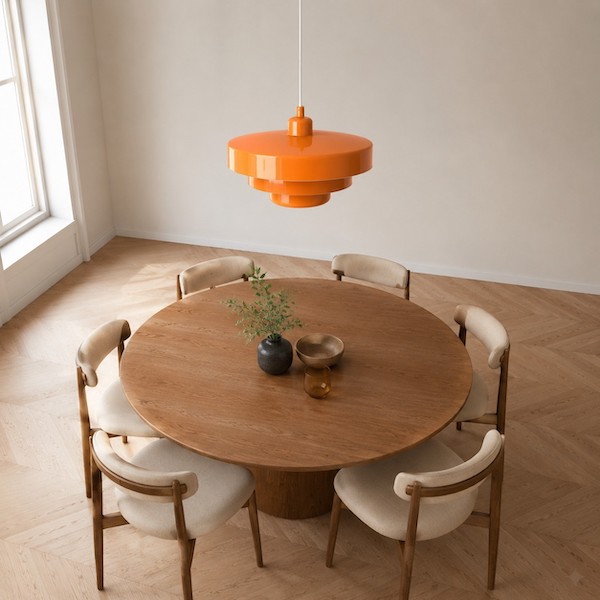
The Rectangular-Table Rule: Measure the Arrangement
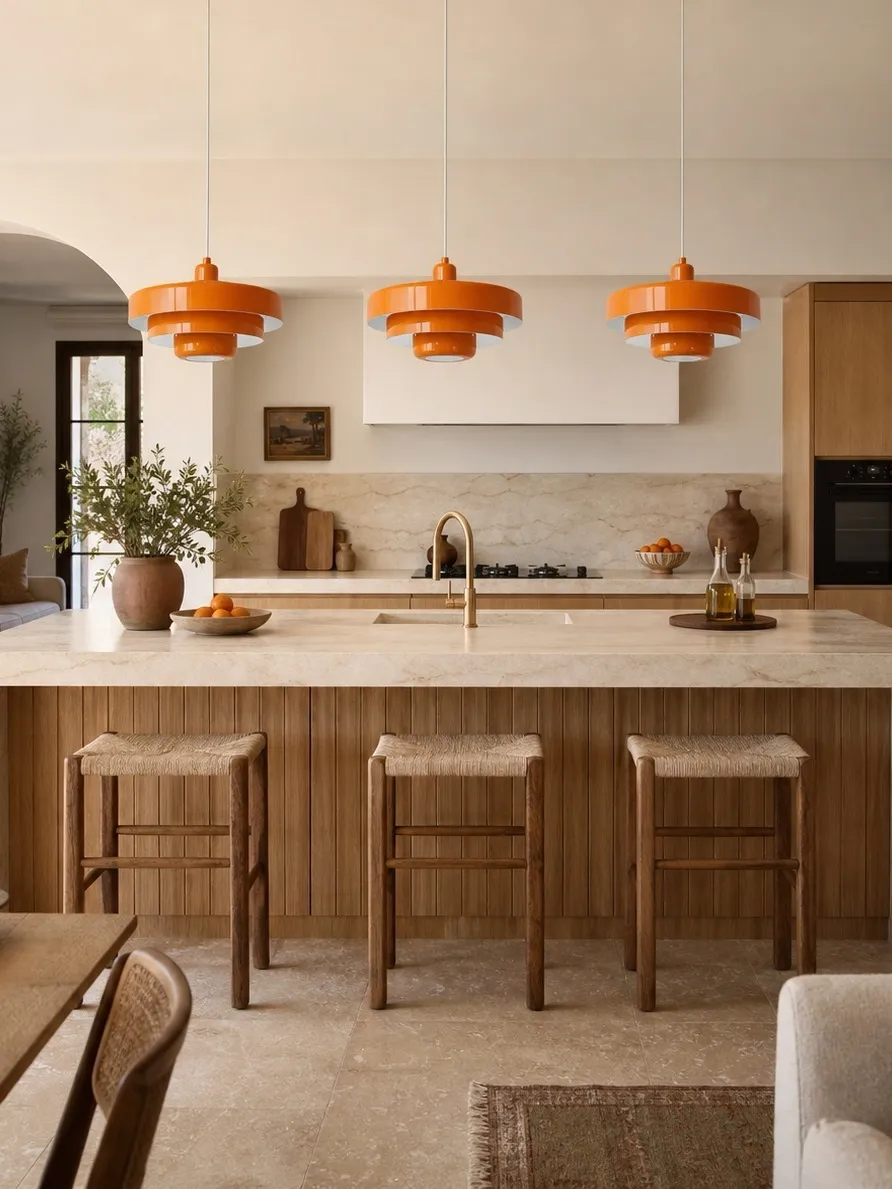
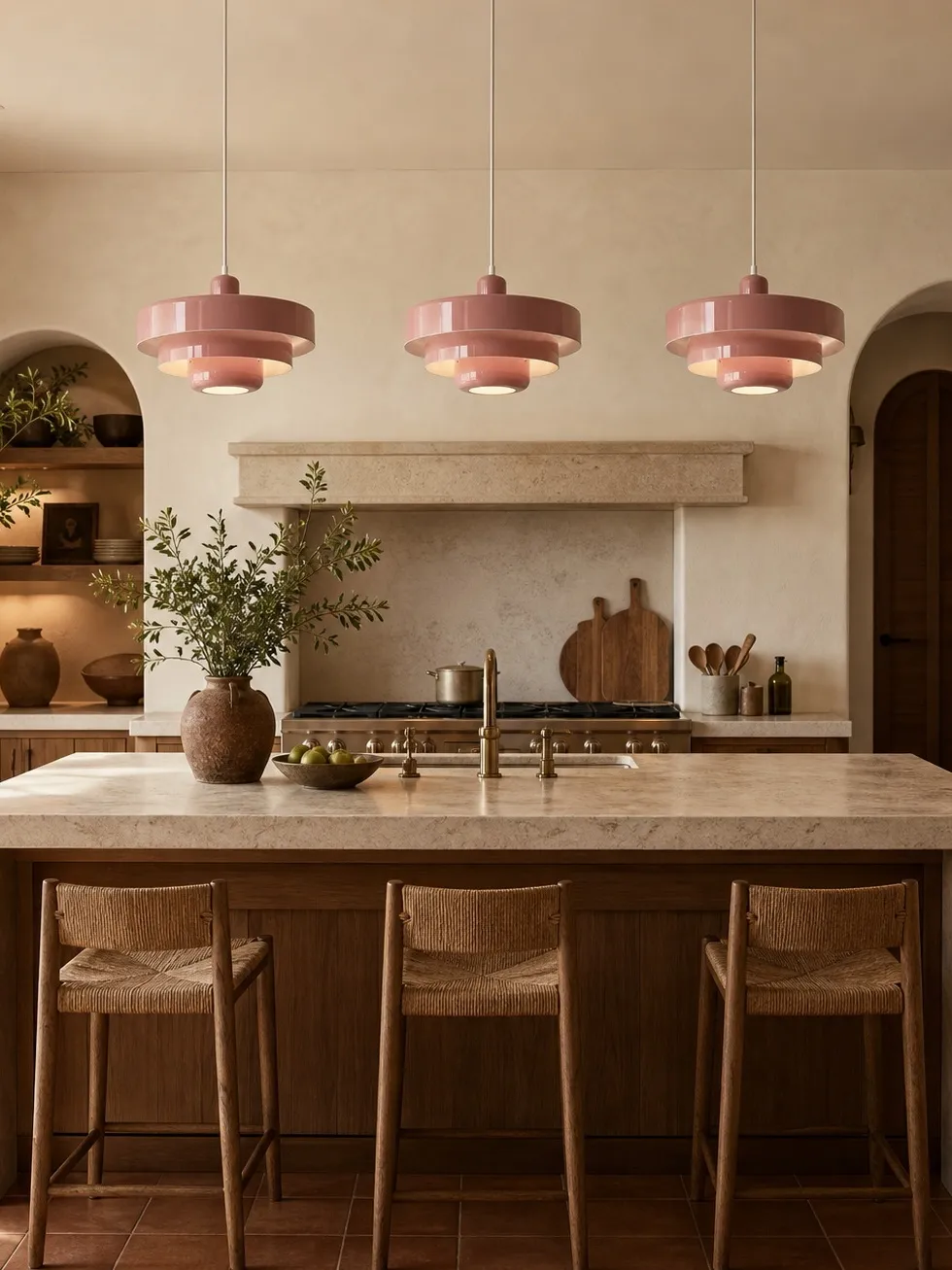
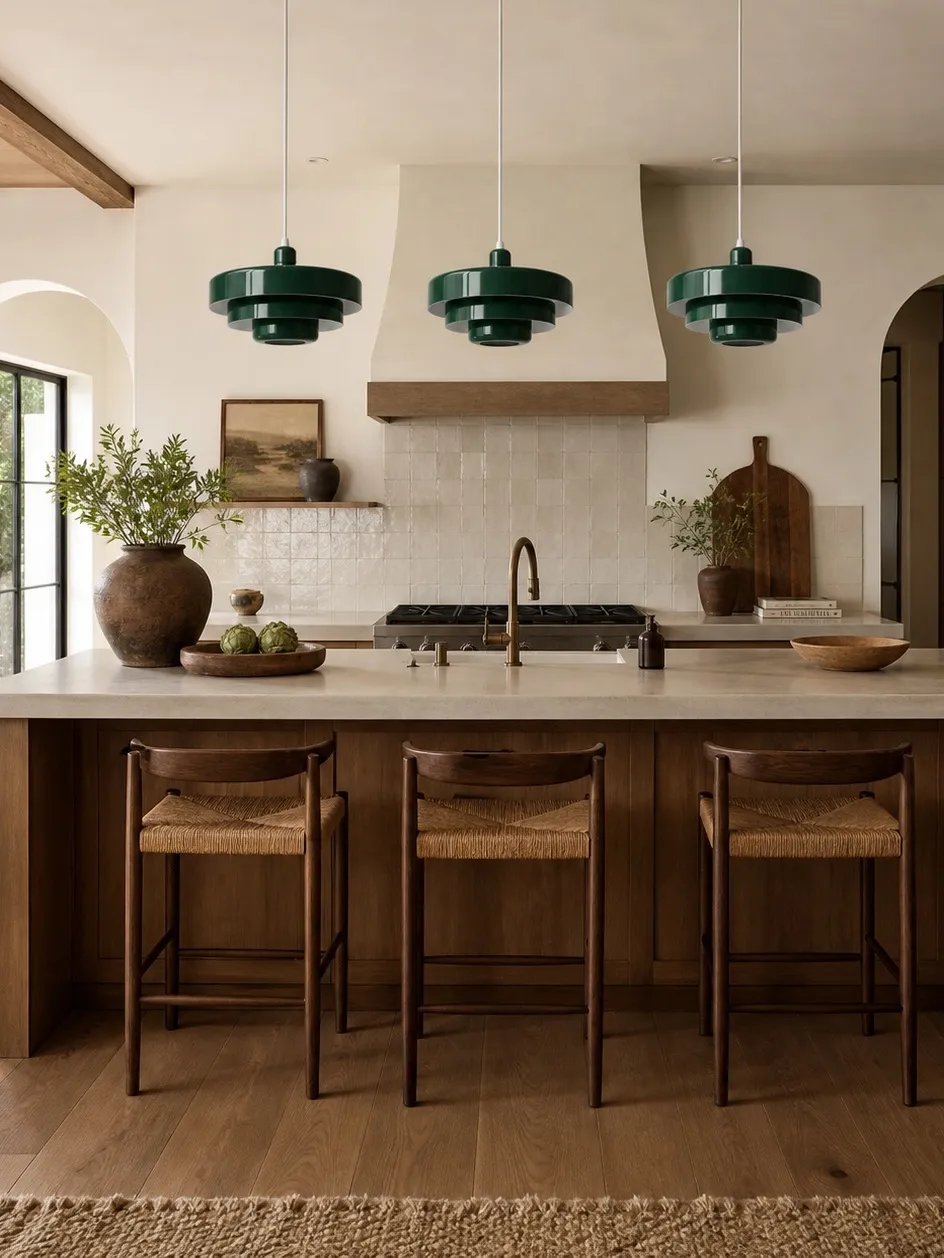
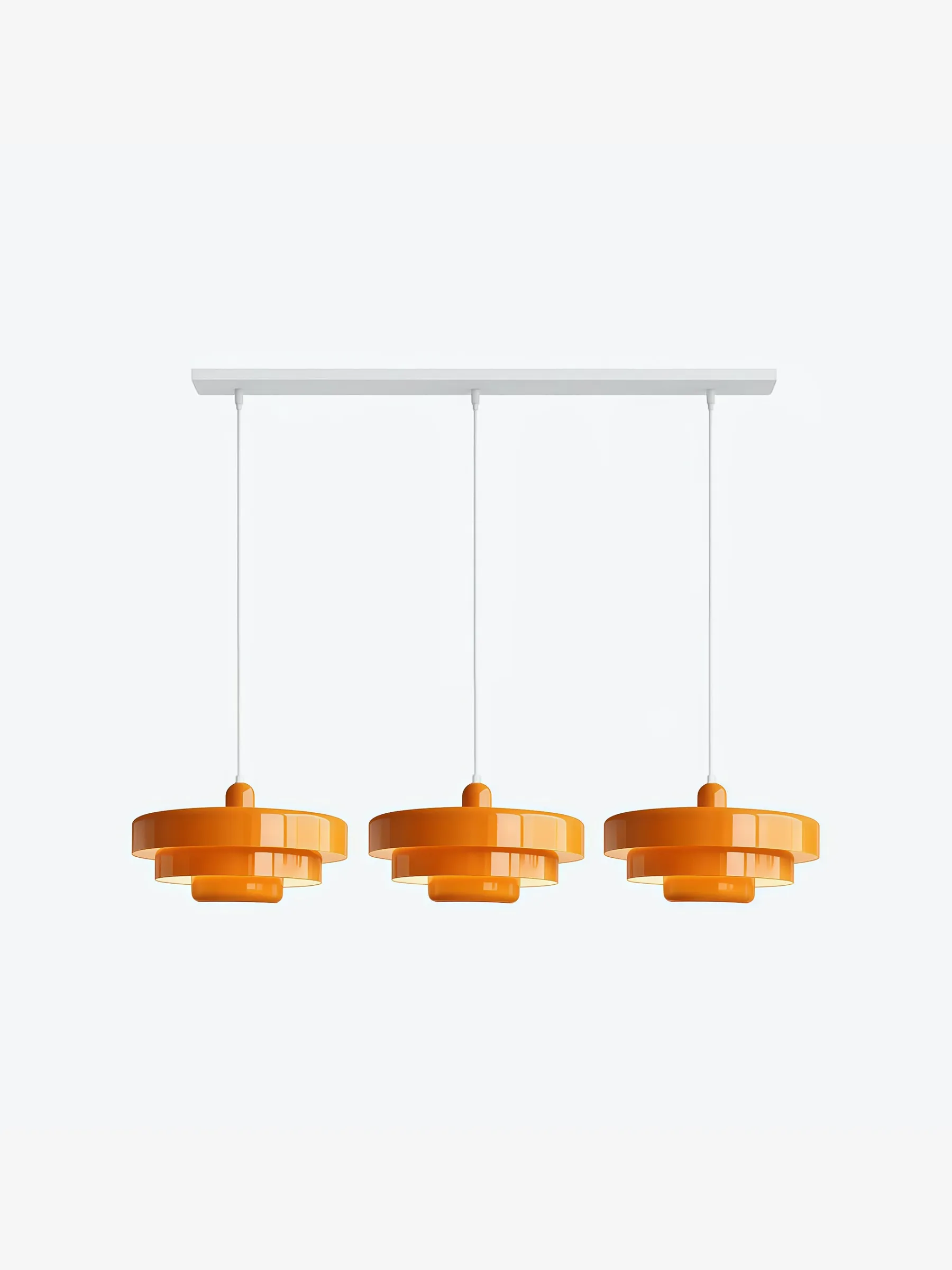
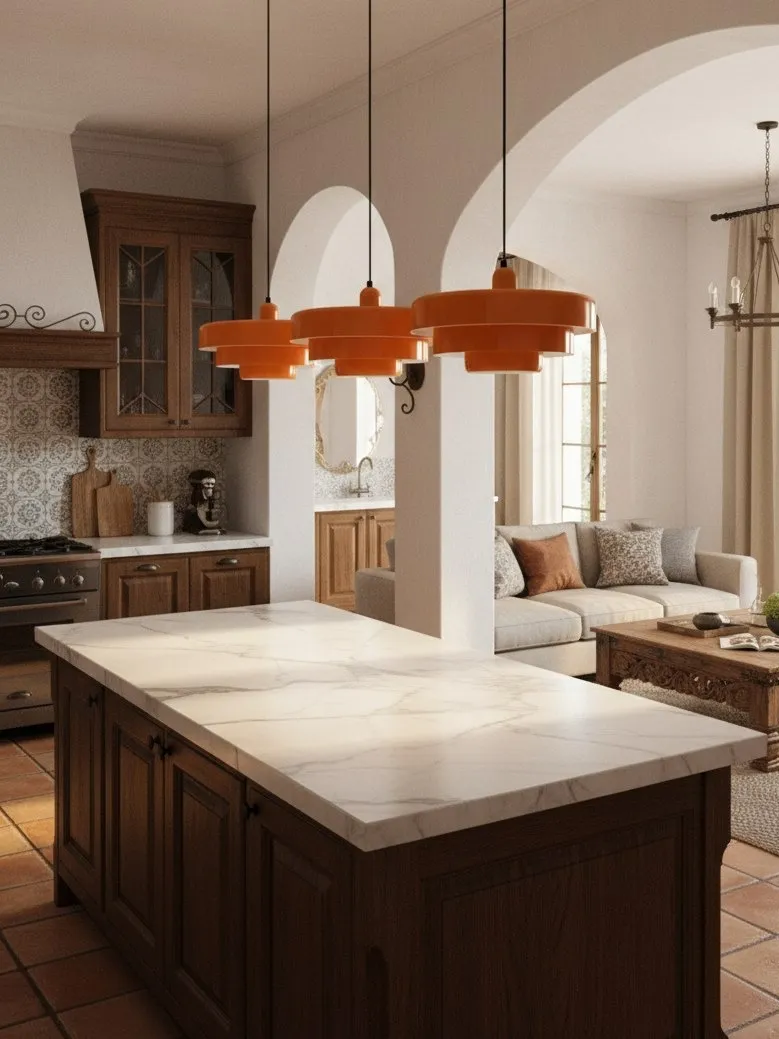
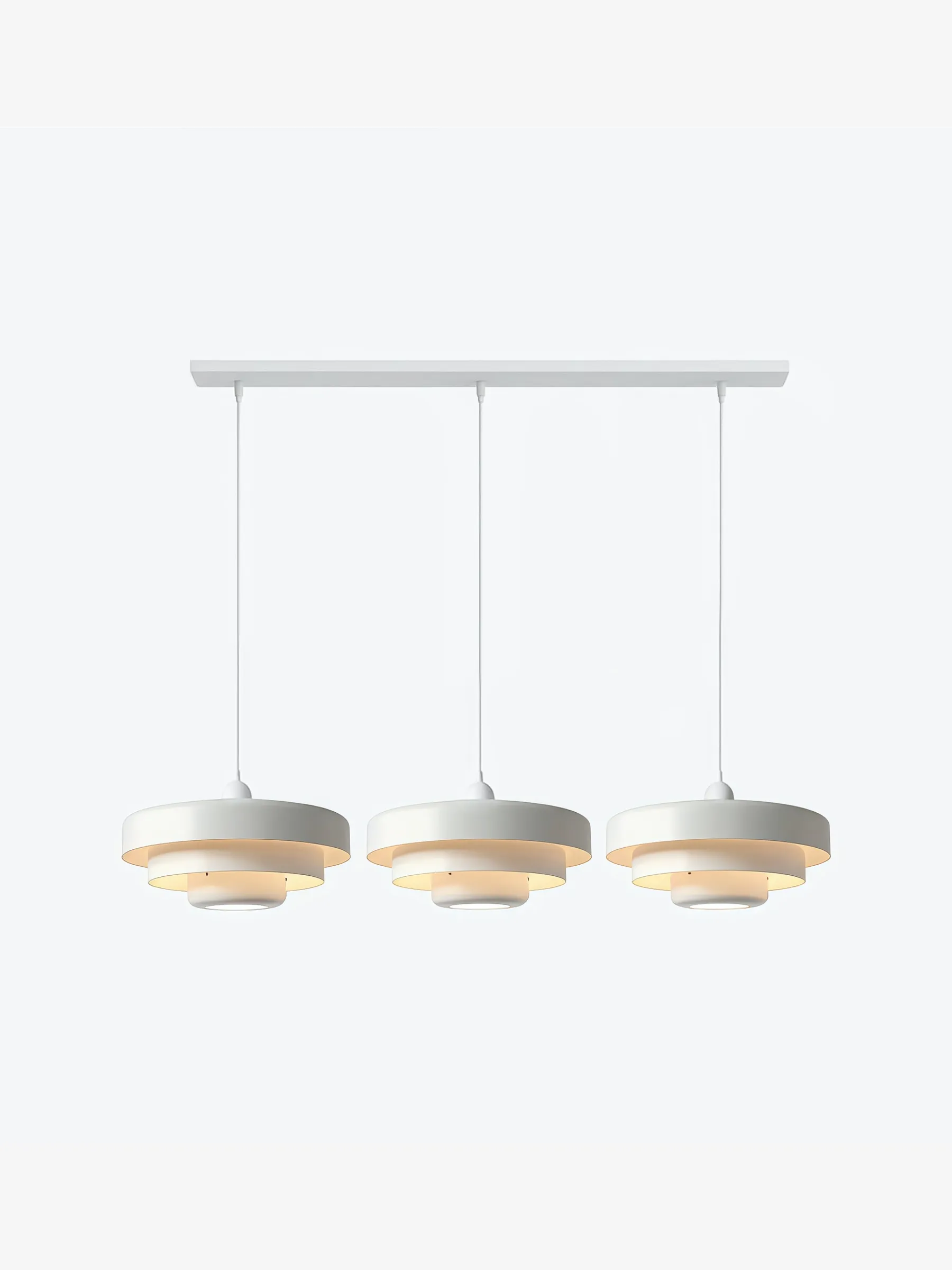
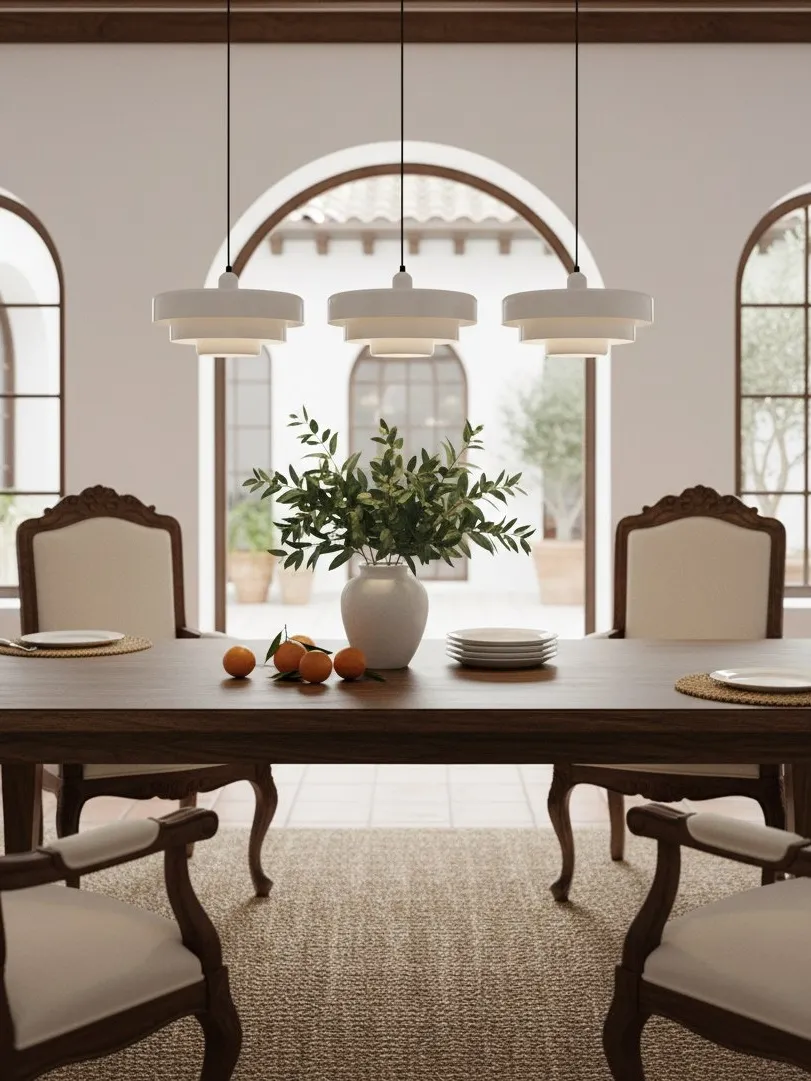
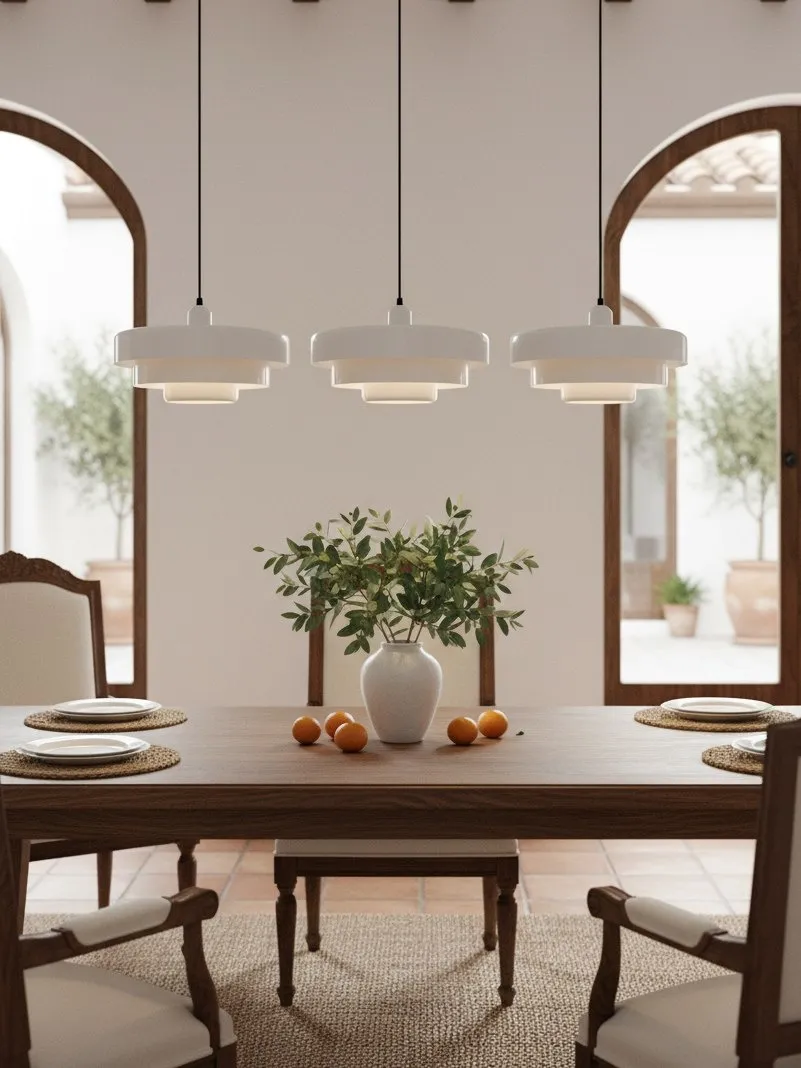
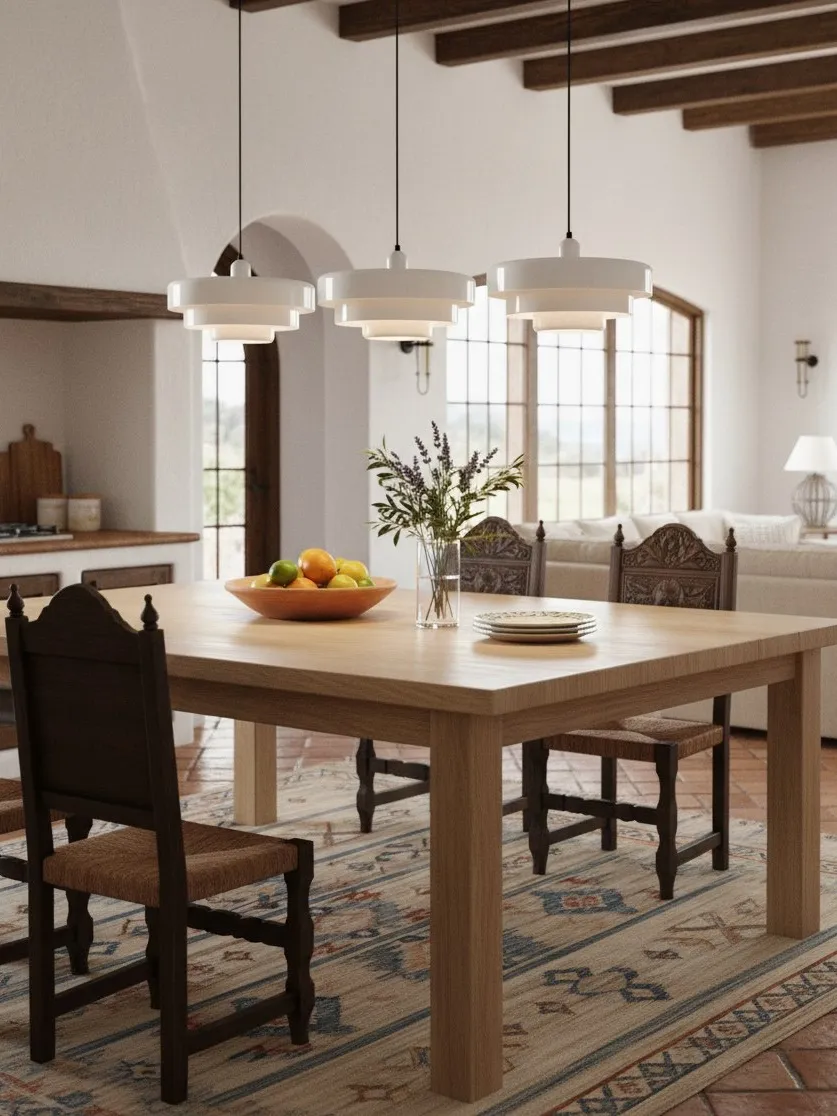
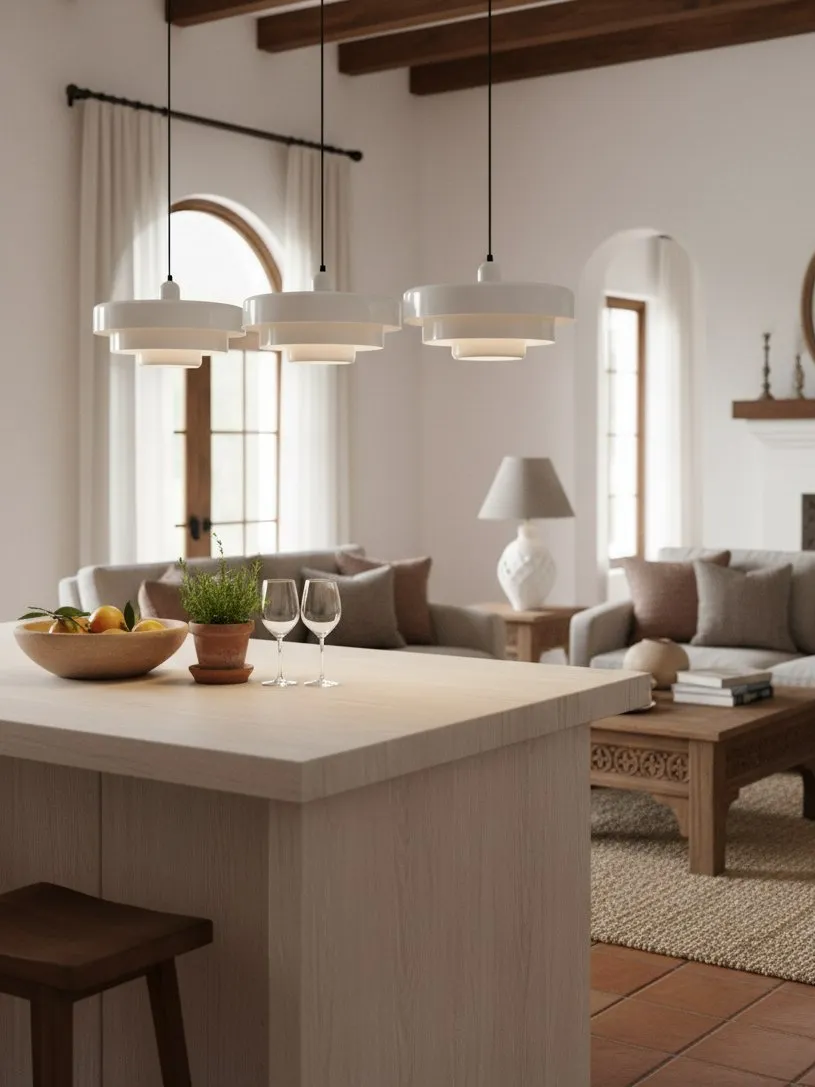
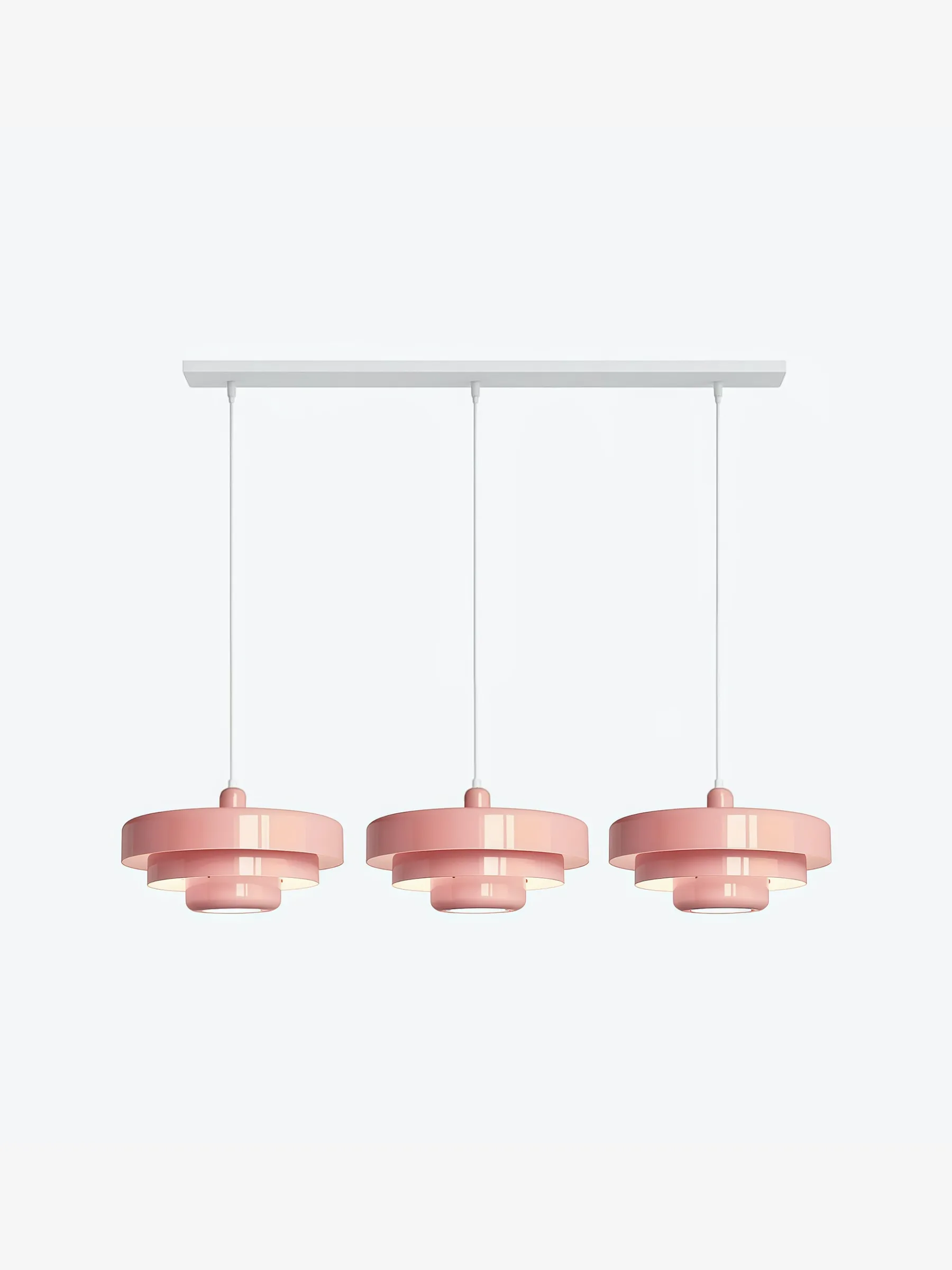
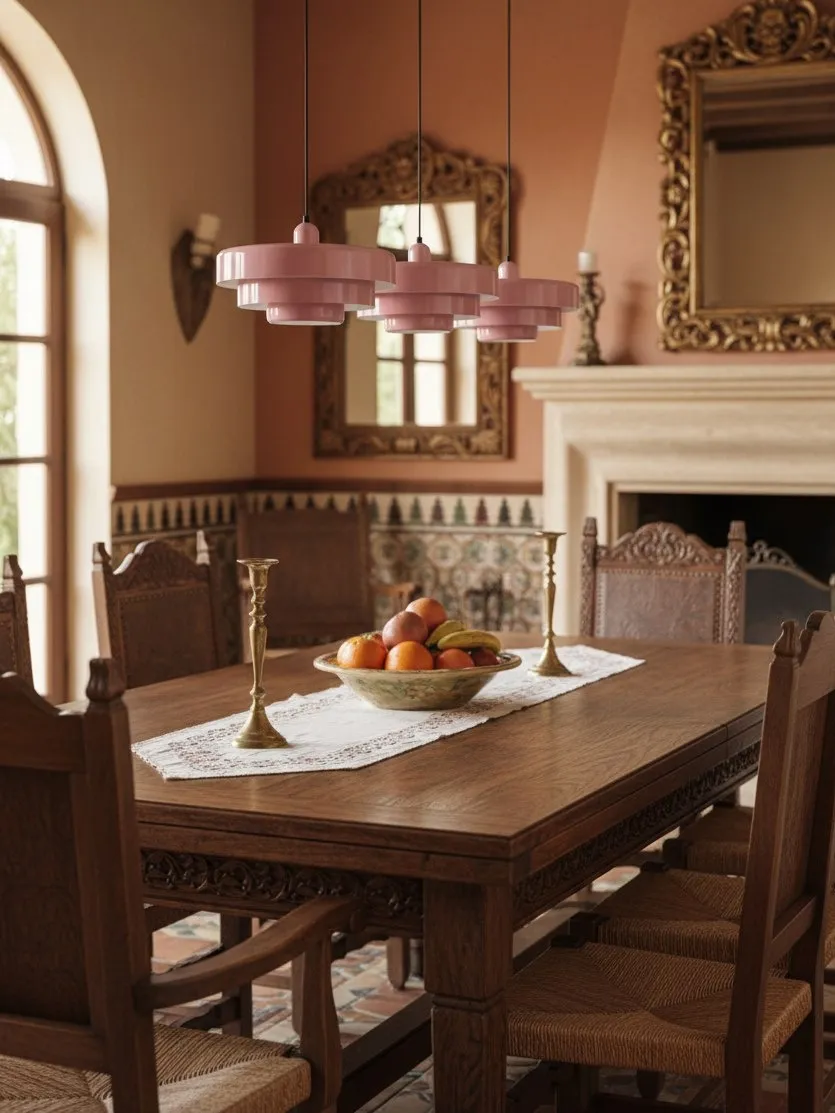
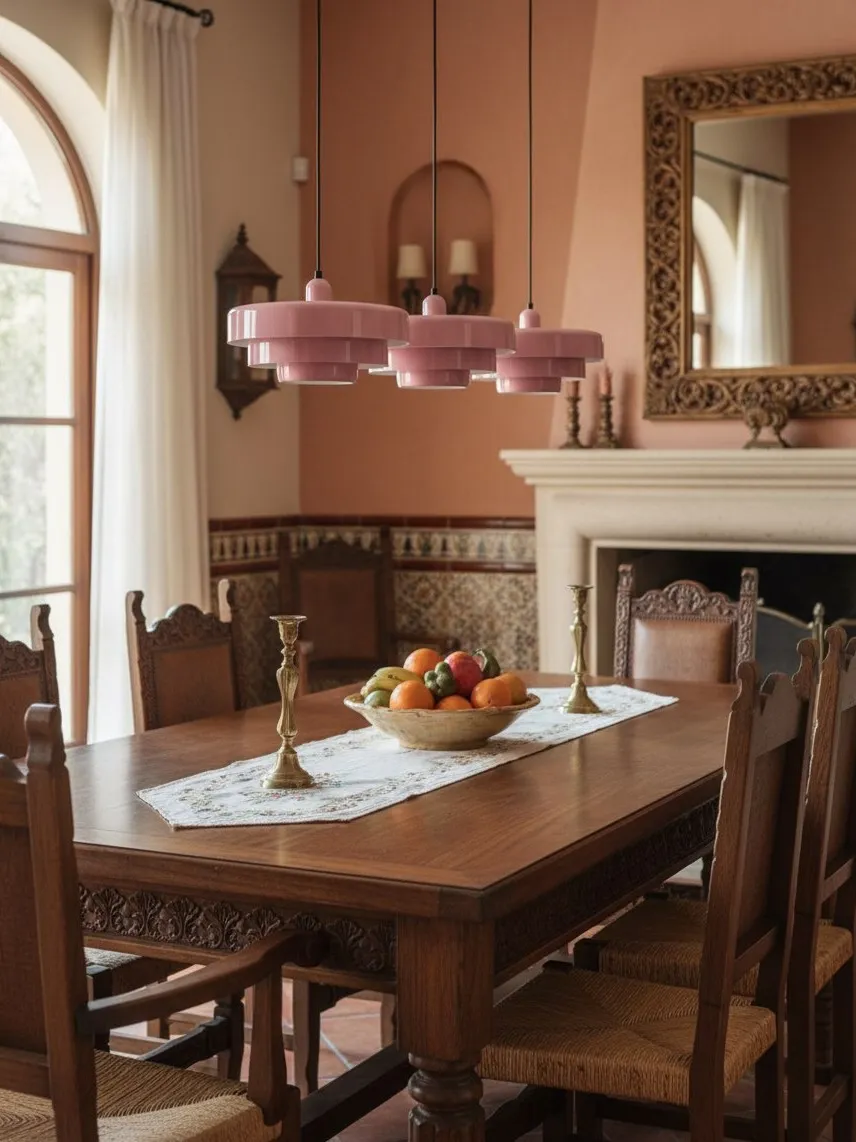
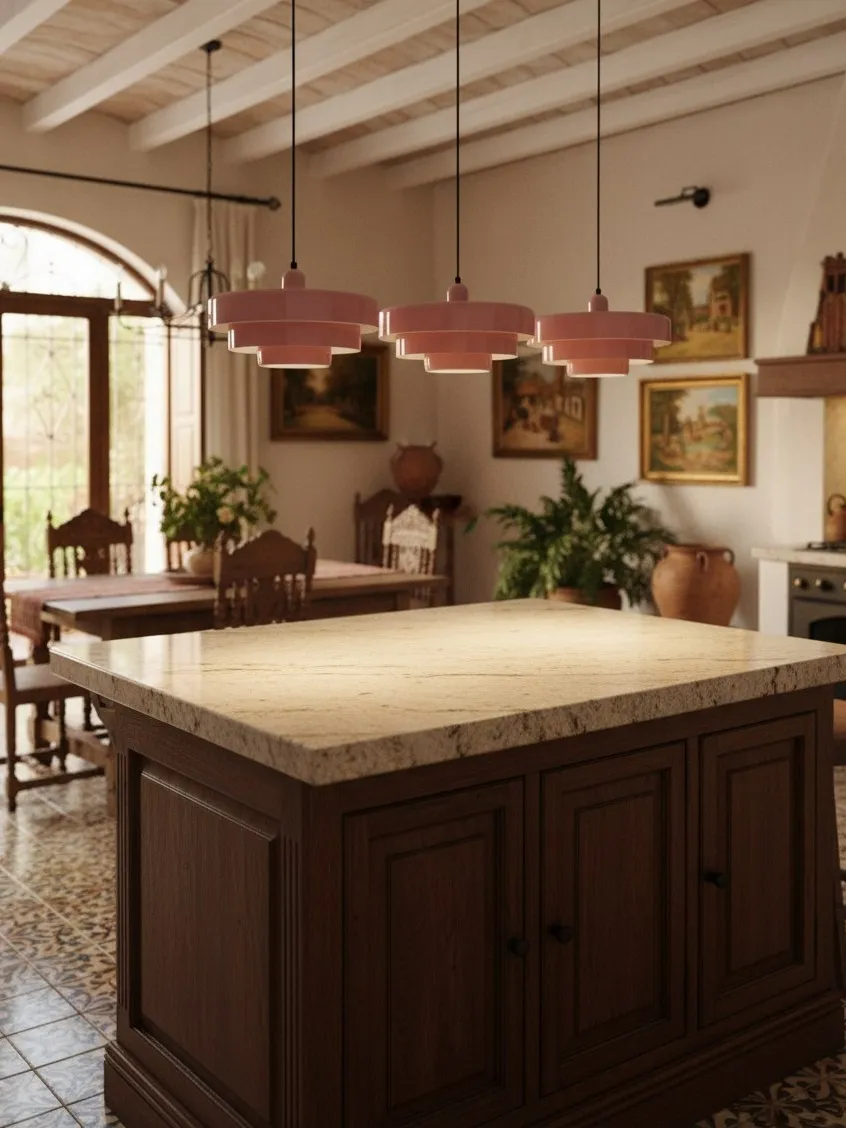
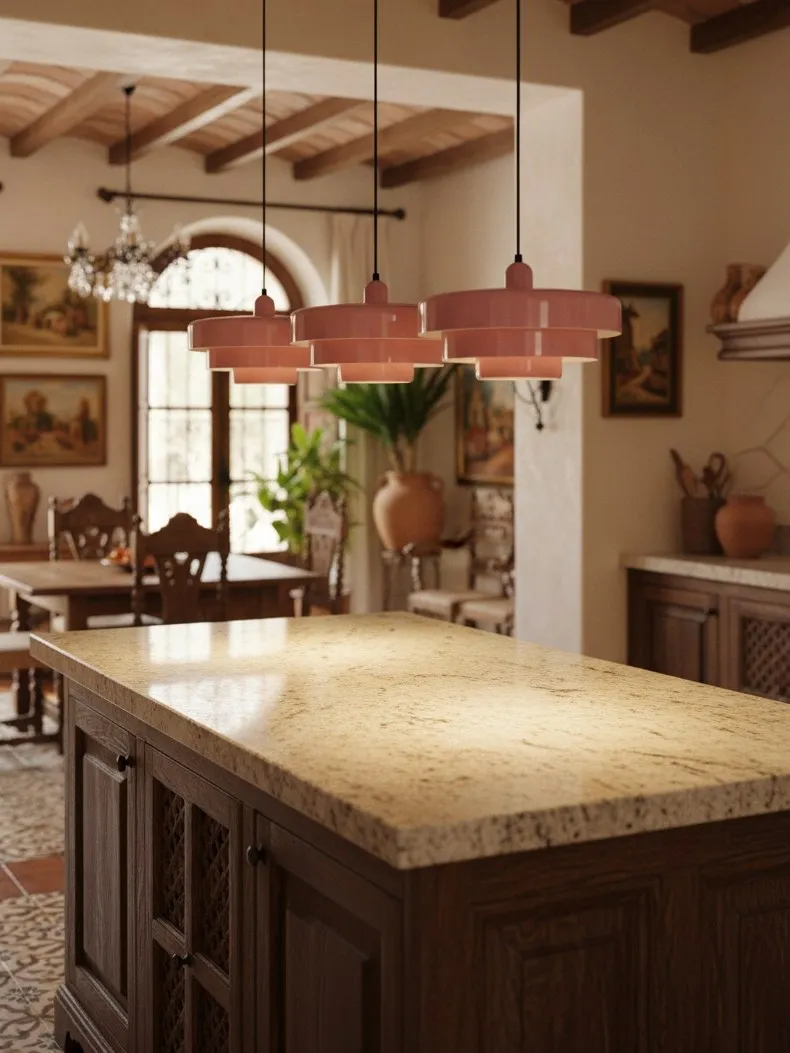
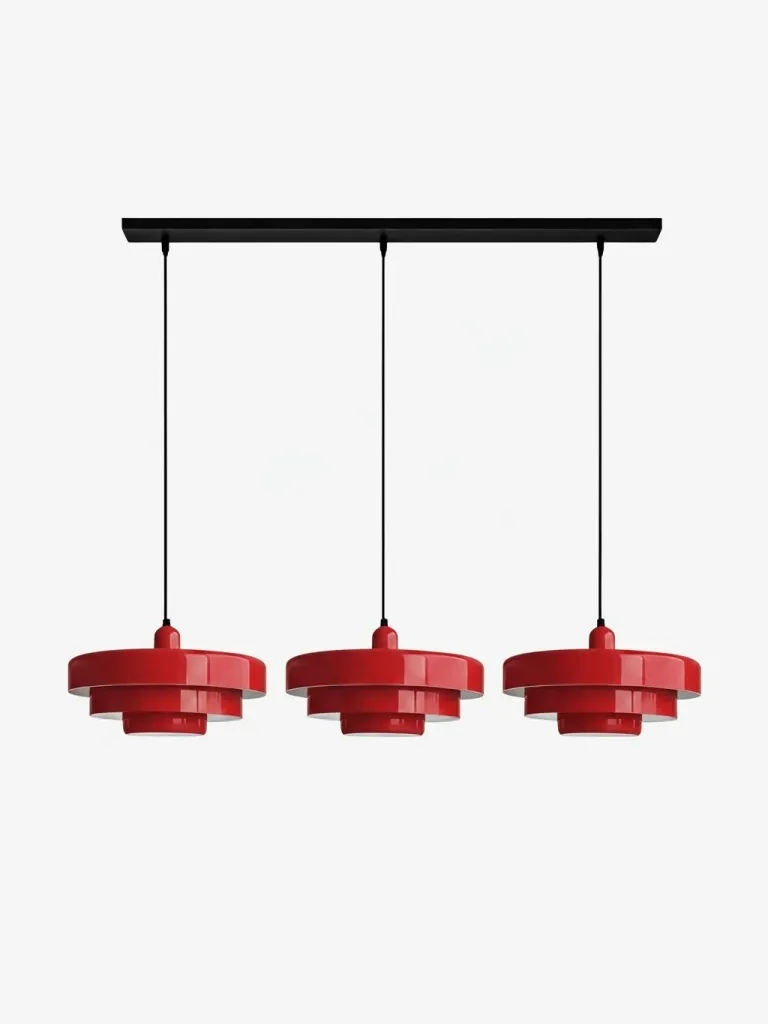
A long table needs a fitting that acknowledges its long axis. Compare the table length with the full illuminated composition, not just the diameter of one shade. A linear pendant can do this in one object. Two or three compact pendants can do it through repetition, provided spacing is even and the outer shades remain comfortably inside the table ends.
For a 180 cm table, a total arrangement around 90-120 cm is a practical visual starting band. That does not mean three 40 cm shades should be pushed edge-to-edge. Include the gaps between them and make a paper plan at full scale. If the table is extendable, test both closed and open positions before fixing the electrical layout.
The complete relationship among scale, light and placement is covered in Dining Table Pendant Lighting: The Complete Height, Size and Brightness Guide.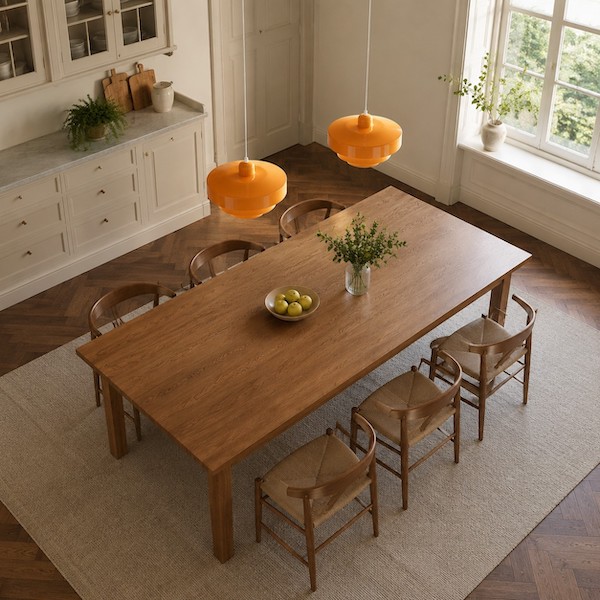
Use Edge Clearance as the Safety Check
Ratios can make a pendant look proportional while still placing a hard edge where someone stands. Aim for an inset from each table edge, then pull out chairs and simulate serving. A common practical target is at least 15-30 cm (6-12 in) inside the table perimeter, adjusted for shade height and the way people use the room.
Visual weight changes the answer. A dark opaque disc reads larger than a pale woven form with the same measurement. Scale can also feel different under strong contrast. This is why a full-size paper outline beats comparing unrelated online photographs.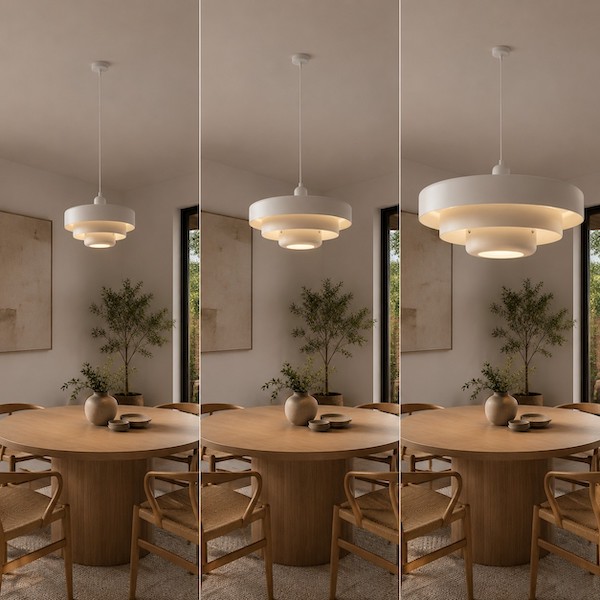
One, Two or Three Pendants?
| Table | Best starting composition | Main risk |
|---|---|---|
| Small round | One centred pendant | Choosing a shade wider than the usable tabletop |
| Large round | One broad pendant or tight cluster that reads as one | Cluster becoming visually chaotic |
| Short rectangular | One compact linear fitting or one confident central shade | Ignoring the table's long axis |
| Long rectangular | Linear fitting or evenly spaced repeated pendants | Outer fittings drifting beyond the table ends |
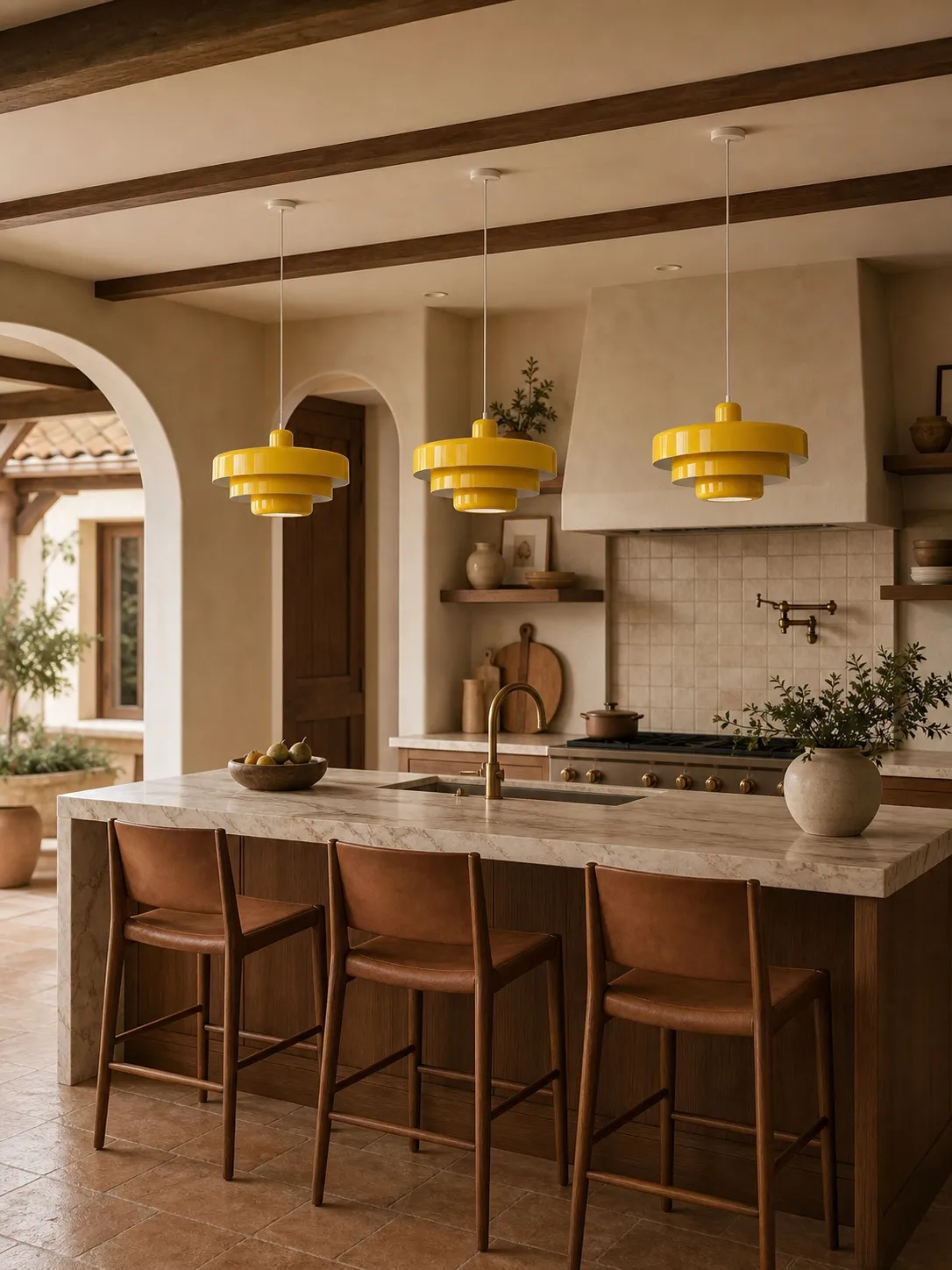
Repeated pendants should be treated as one composition. Keep the same lowest edge unless a stagger is deliberate, use identical bulbs and verify that the ceiling can support each point. If hanging height is unresolved, read How High Should a Pendant Light Hang Above a Dining Table? before finalising the number of fittings.
When to Choose a Smaller Fixture
- The table is compact and the room has low or narrow sightlines.
- The pendant is one of several lighting layers, not the only focal object.
- The shade is dark or visually dense and already reads strongly.
- You need generous standing clearance around a small tabletop.
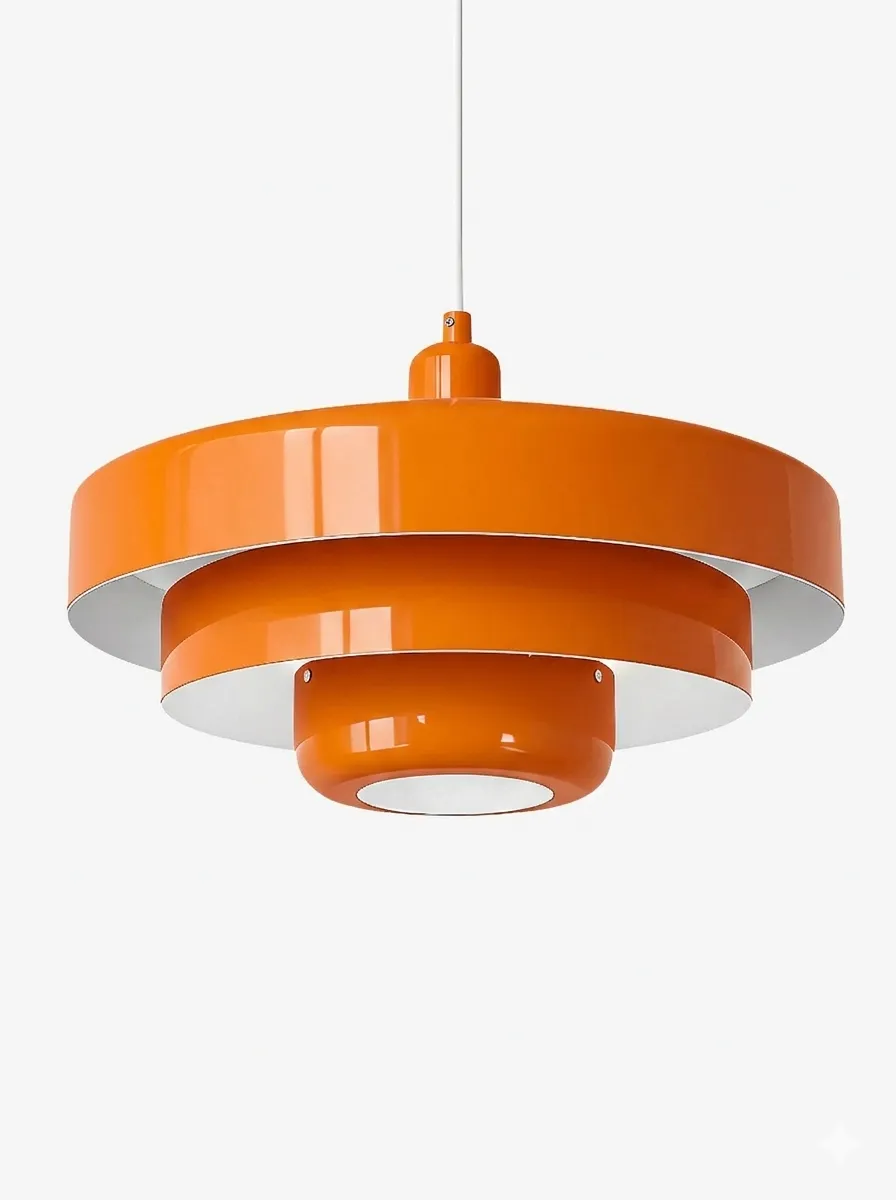
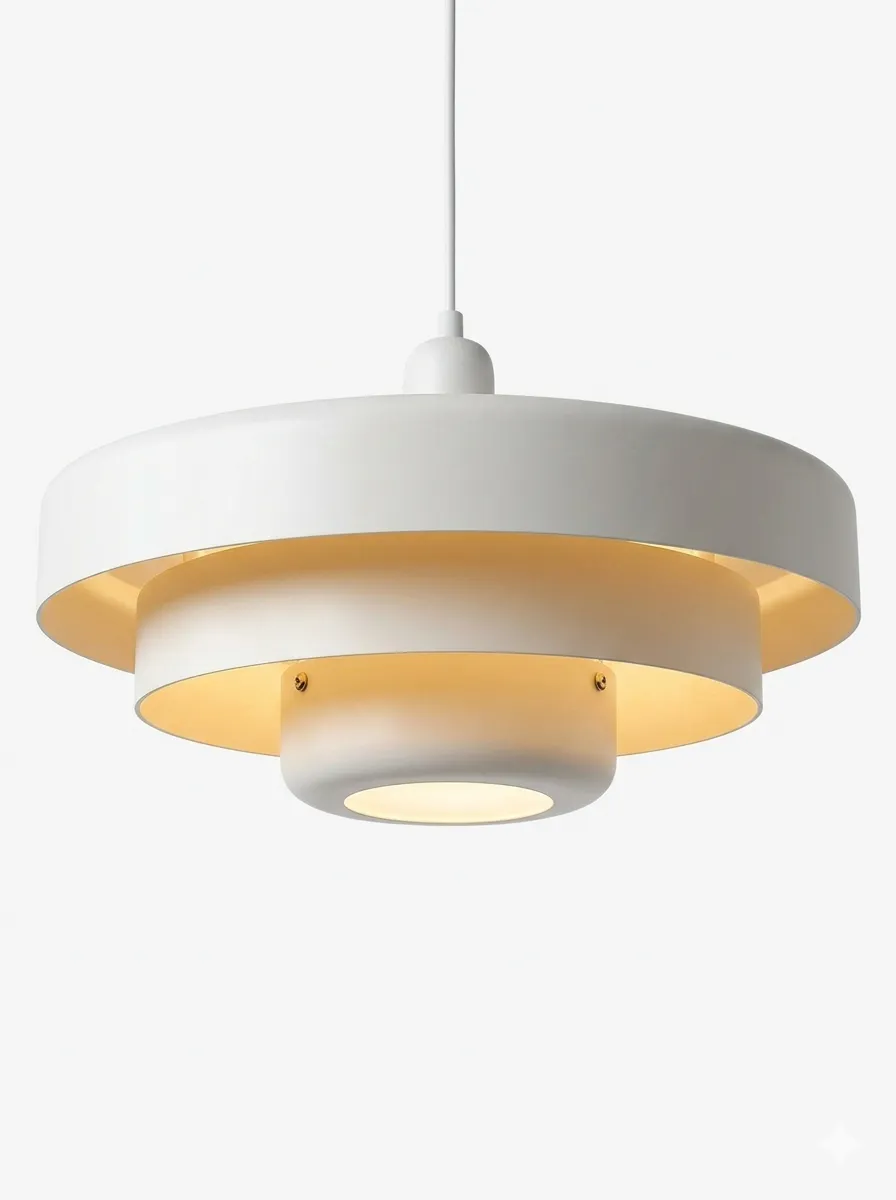
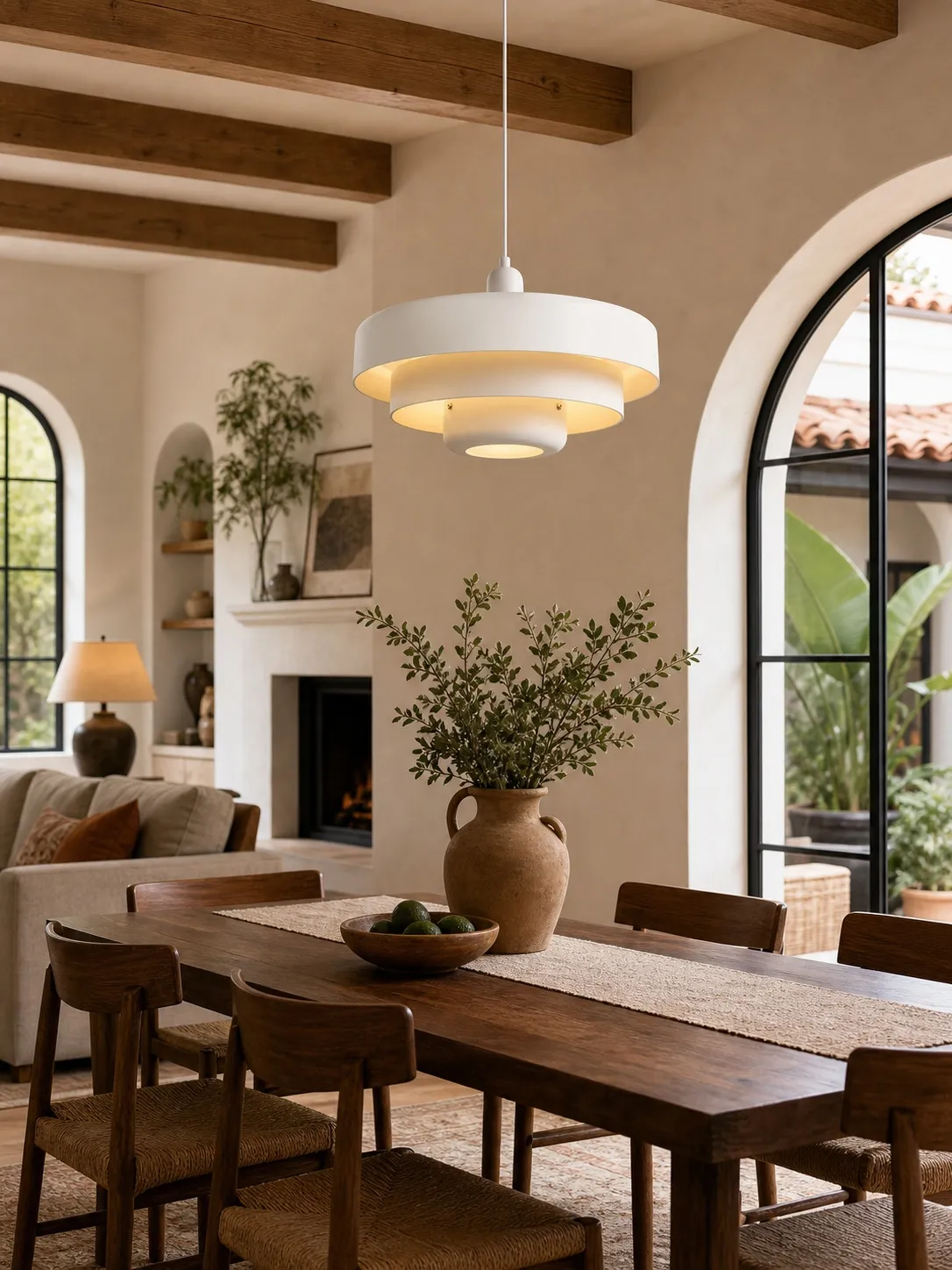
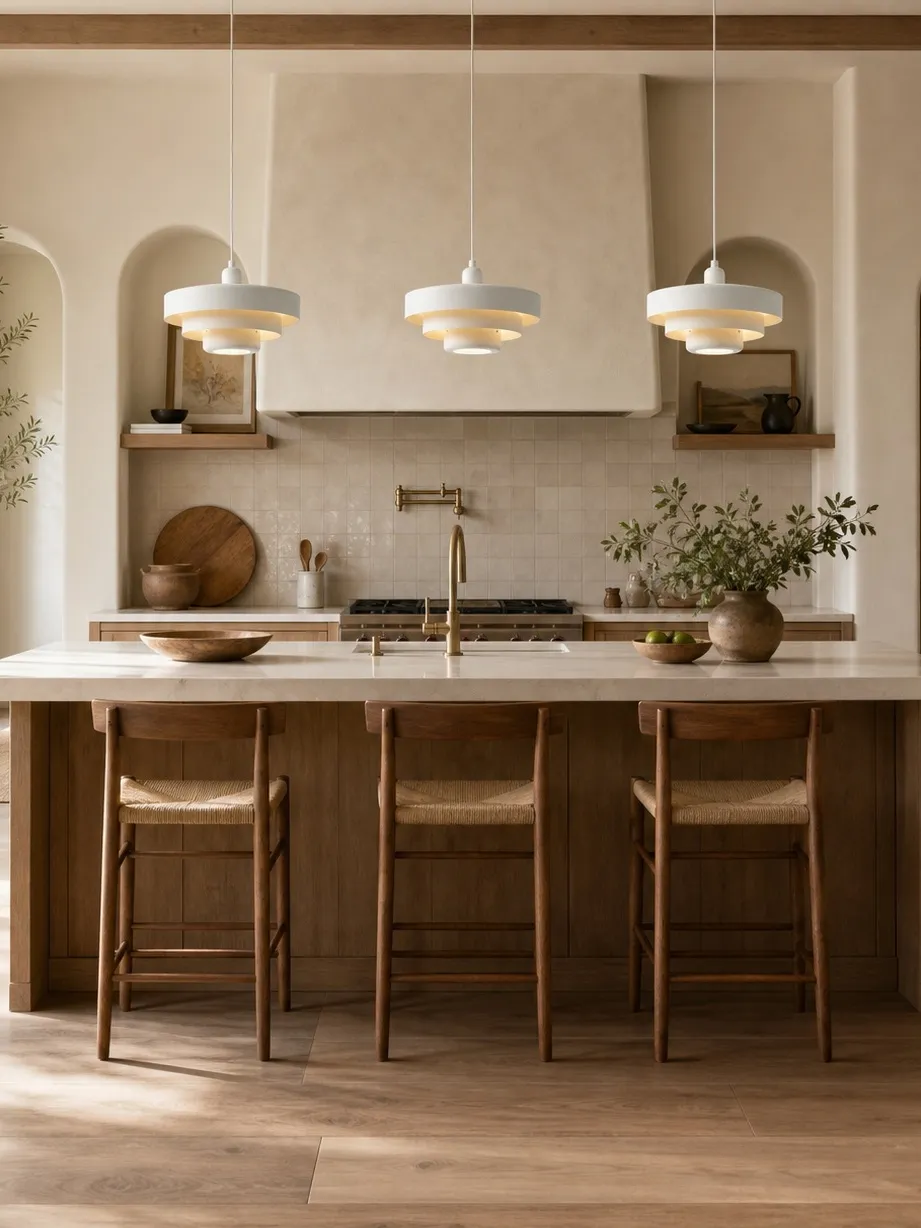
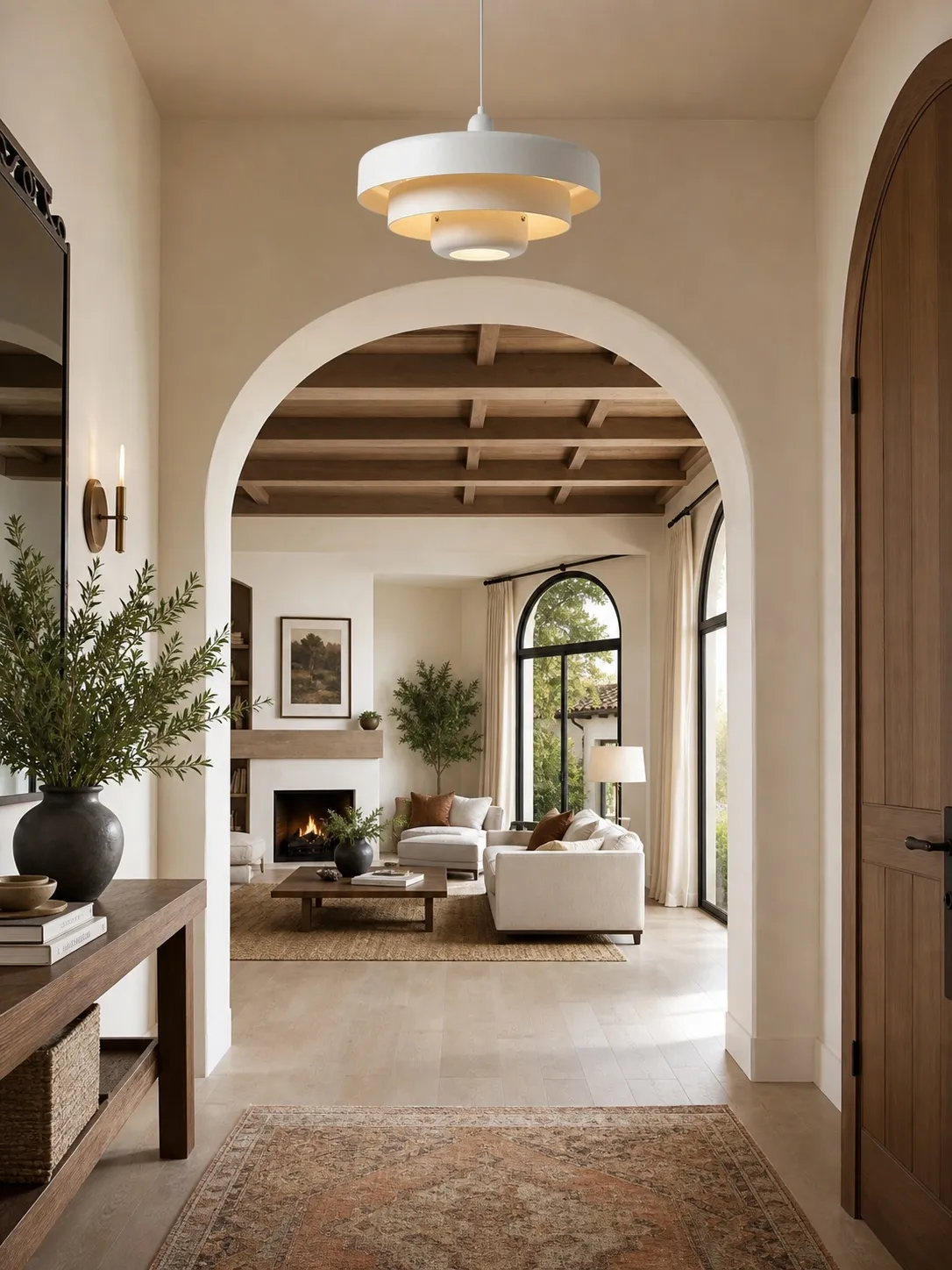
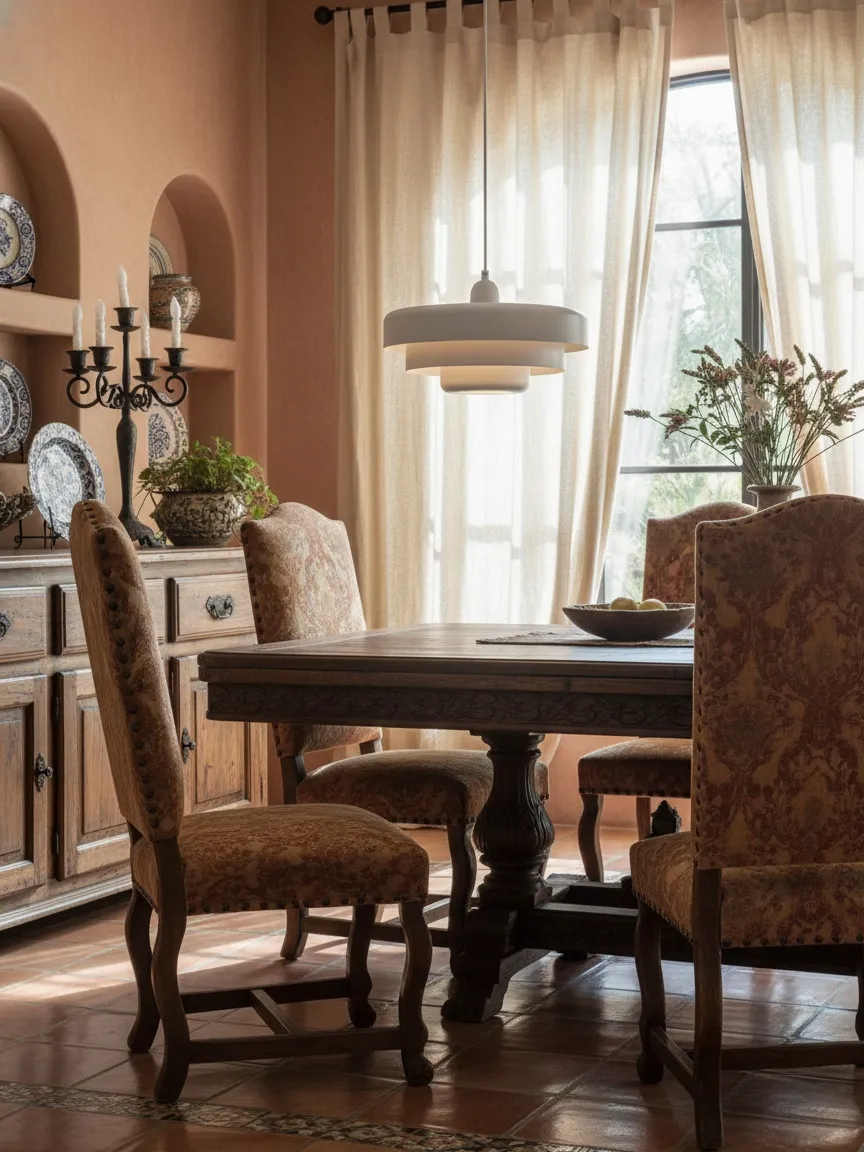
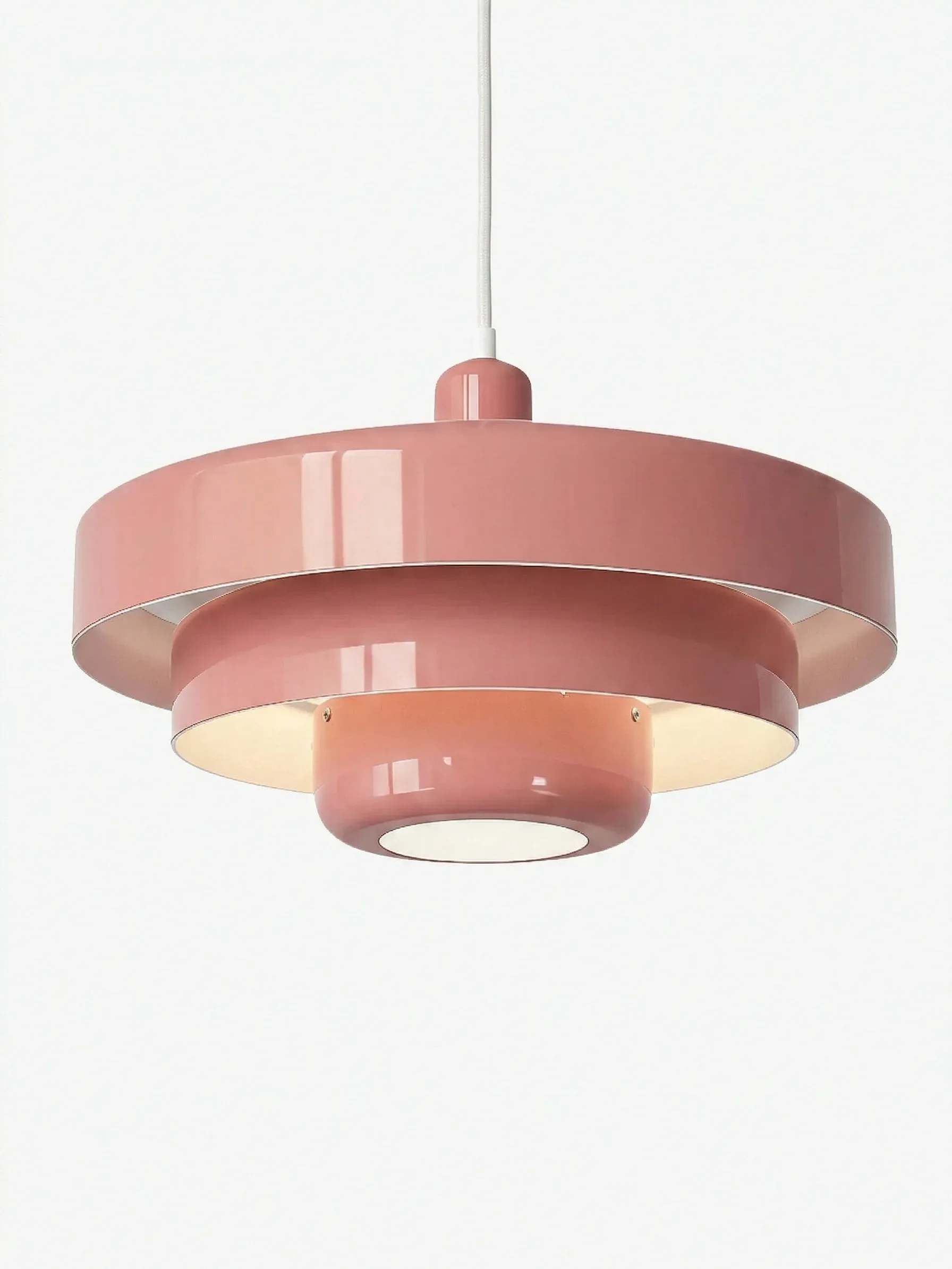
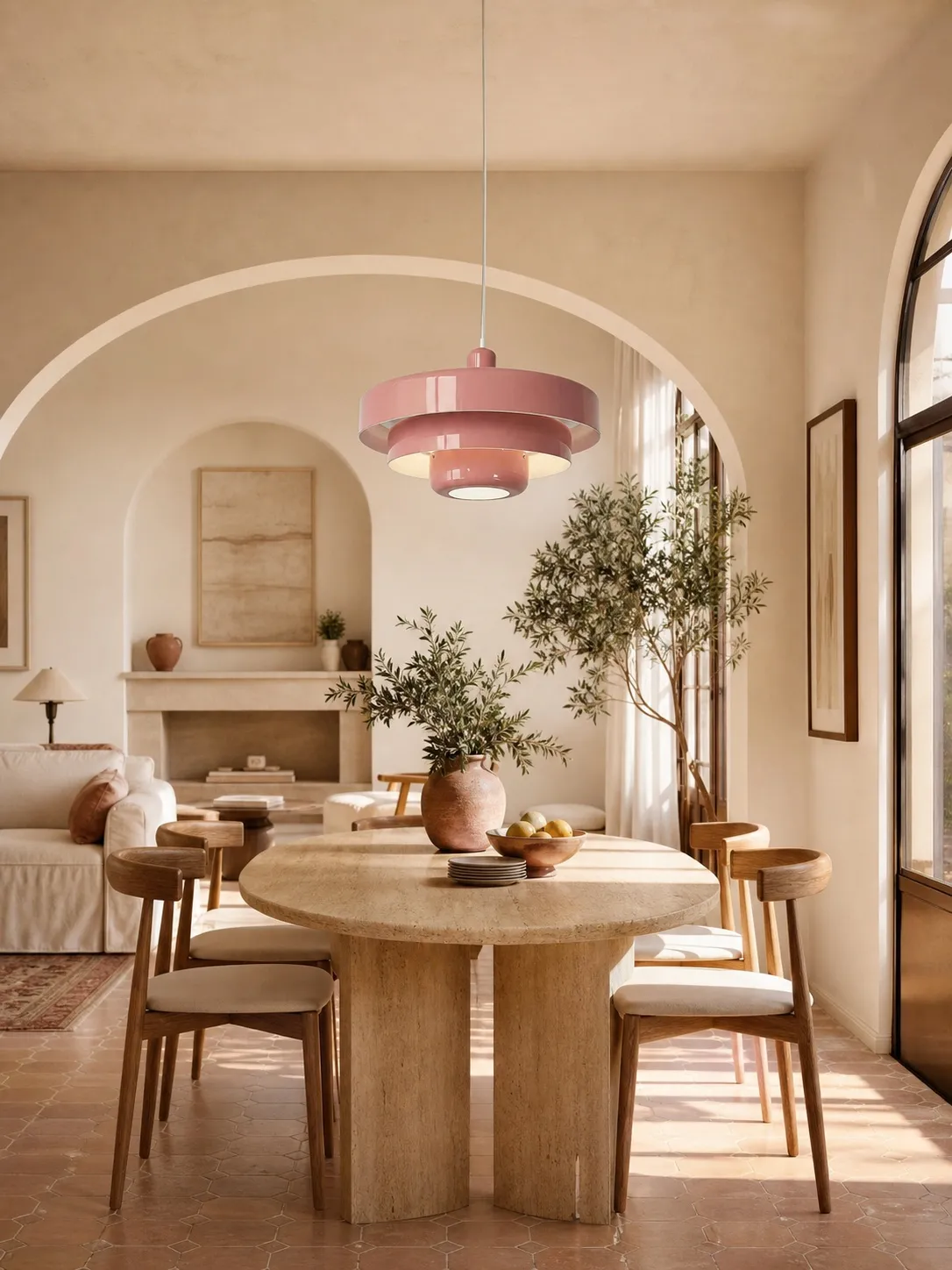
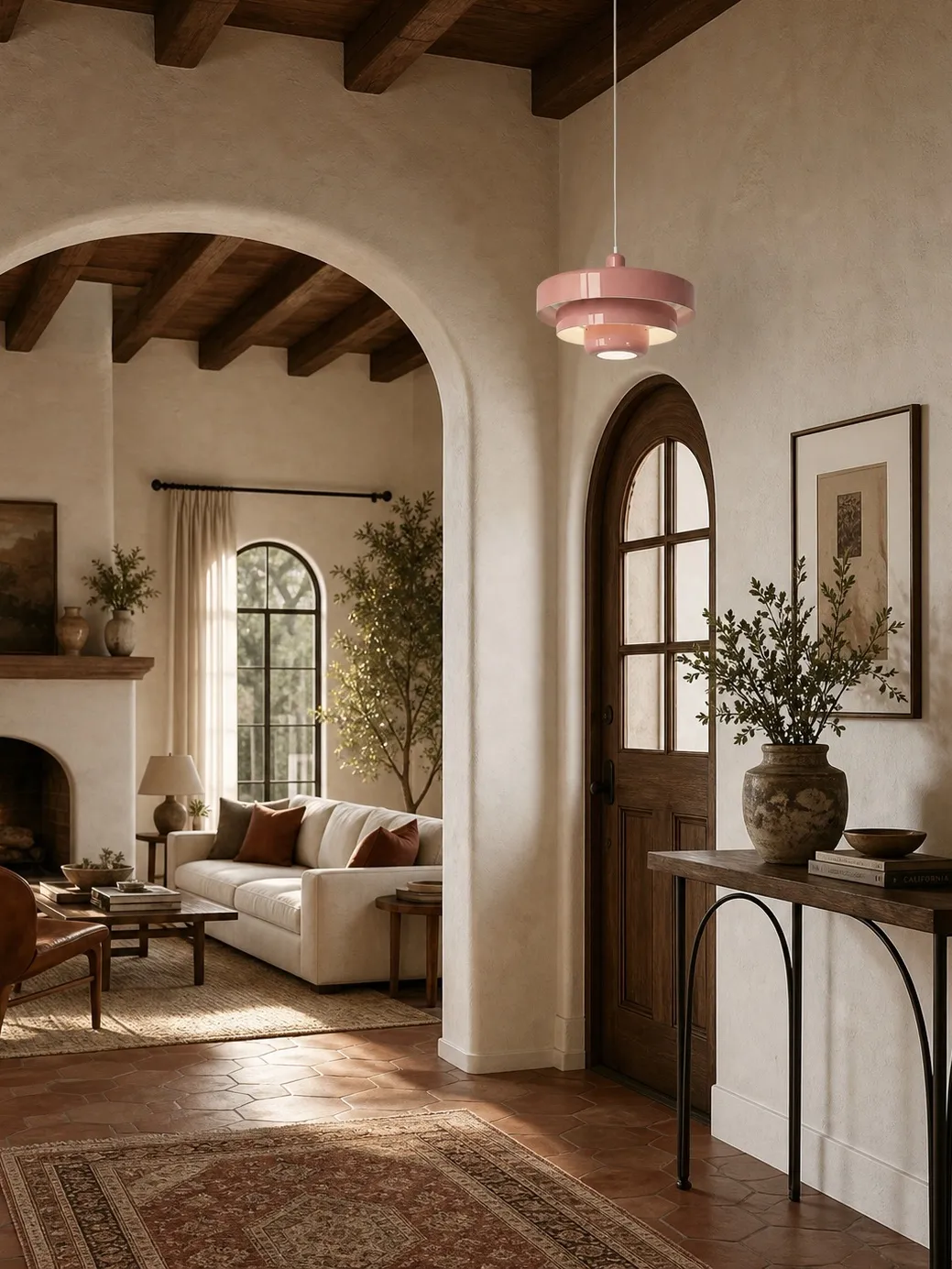
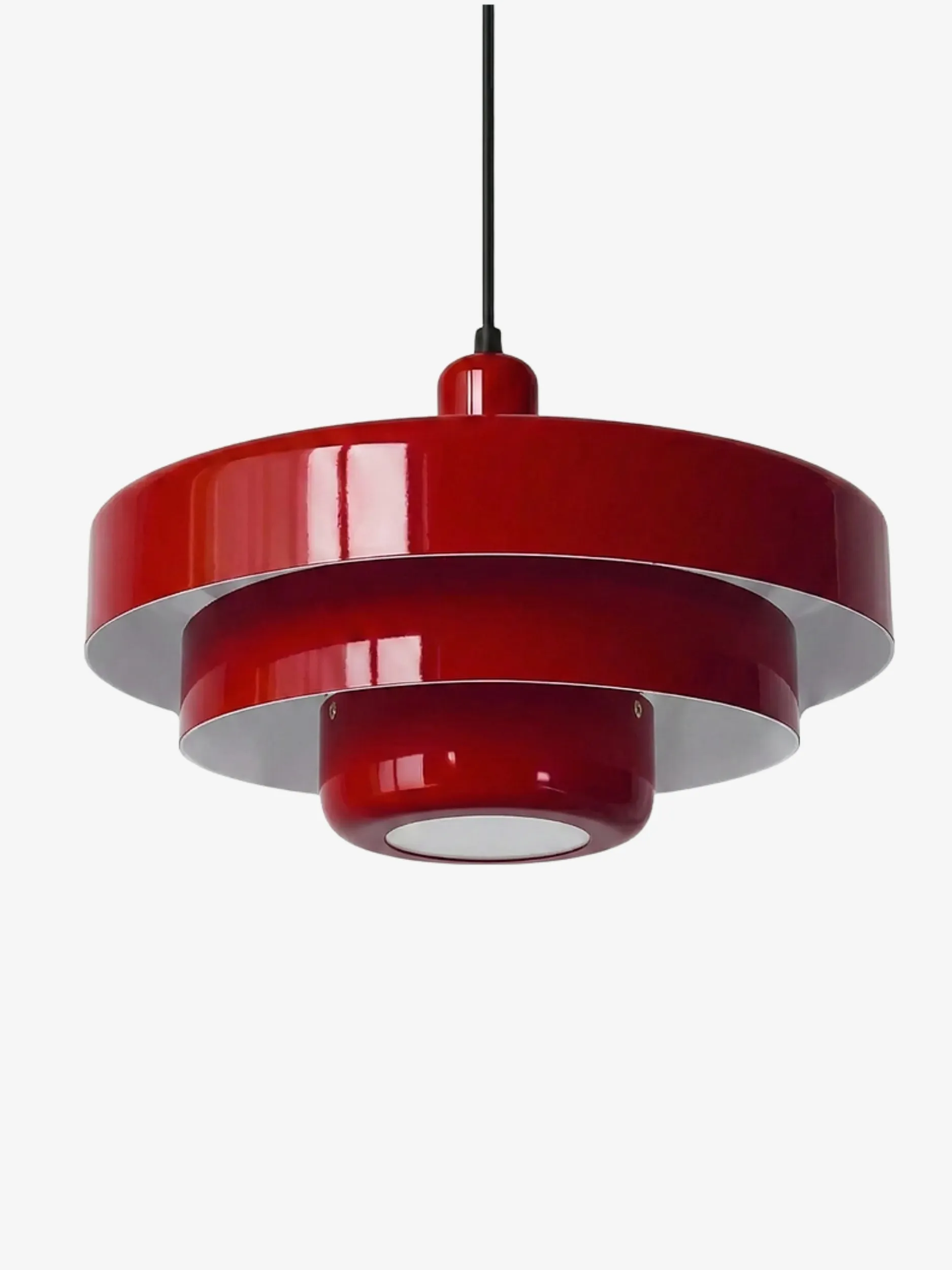
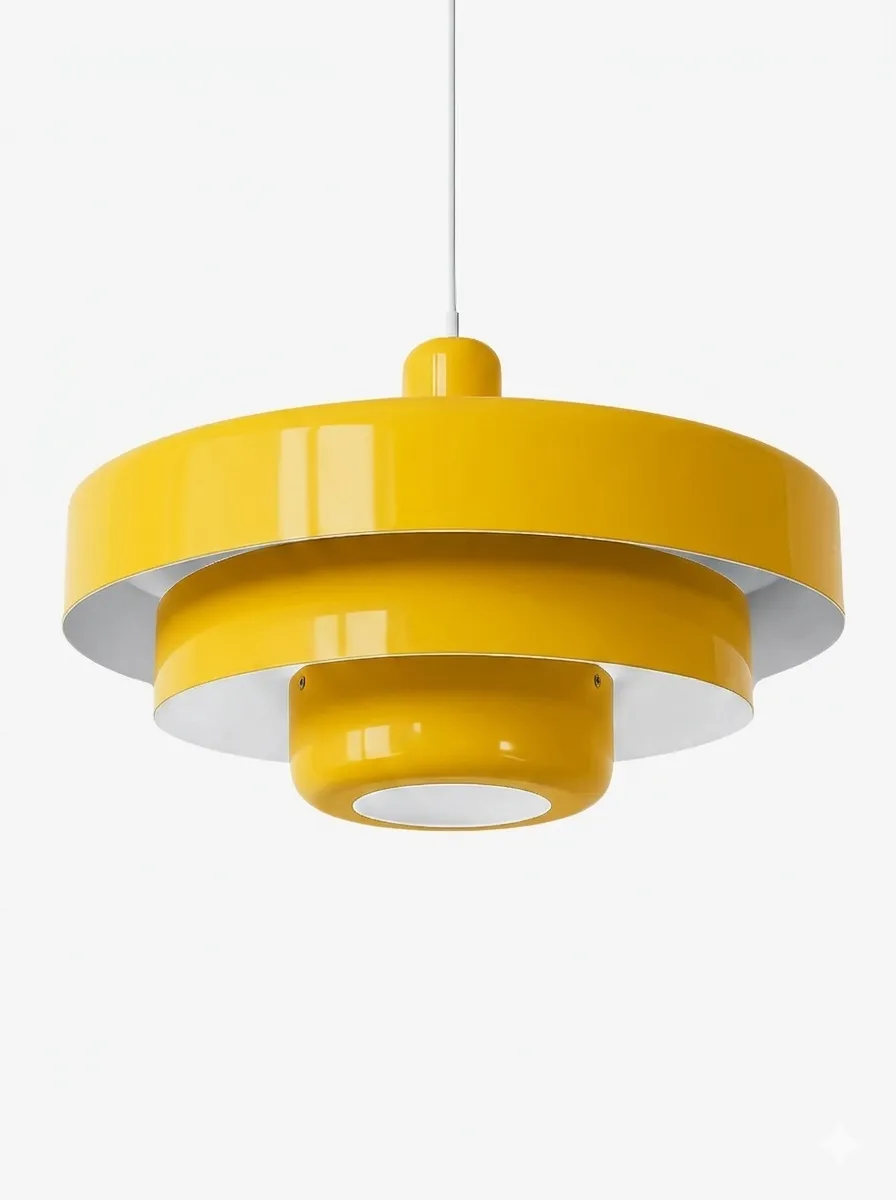
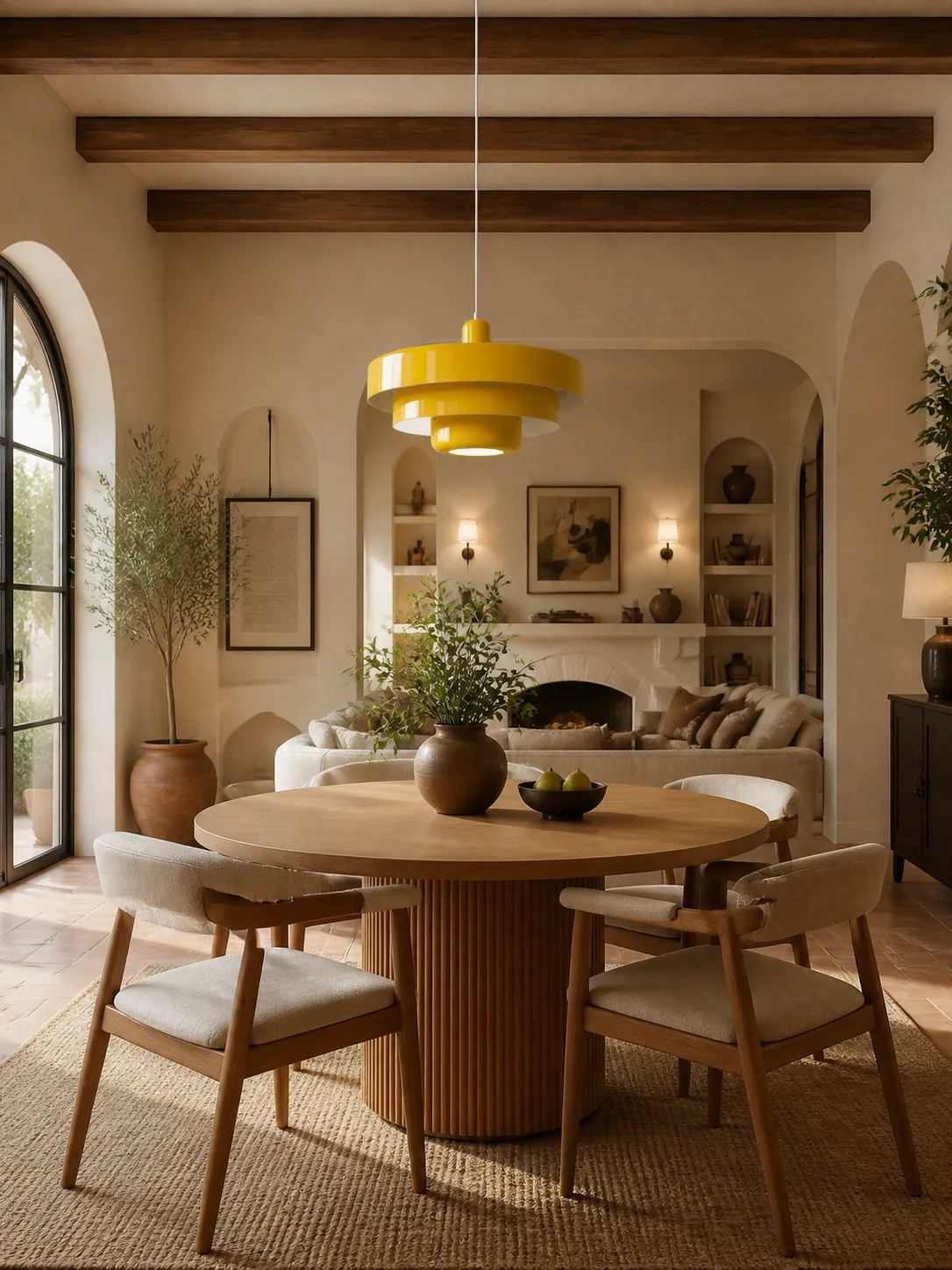
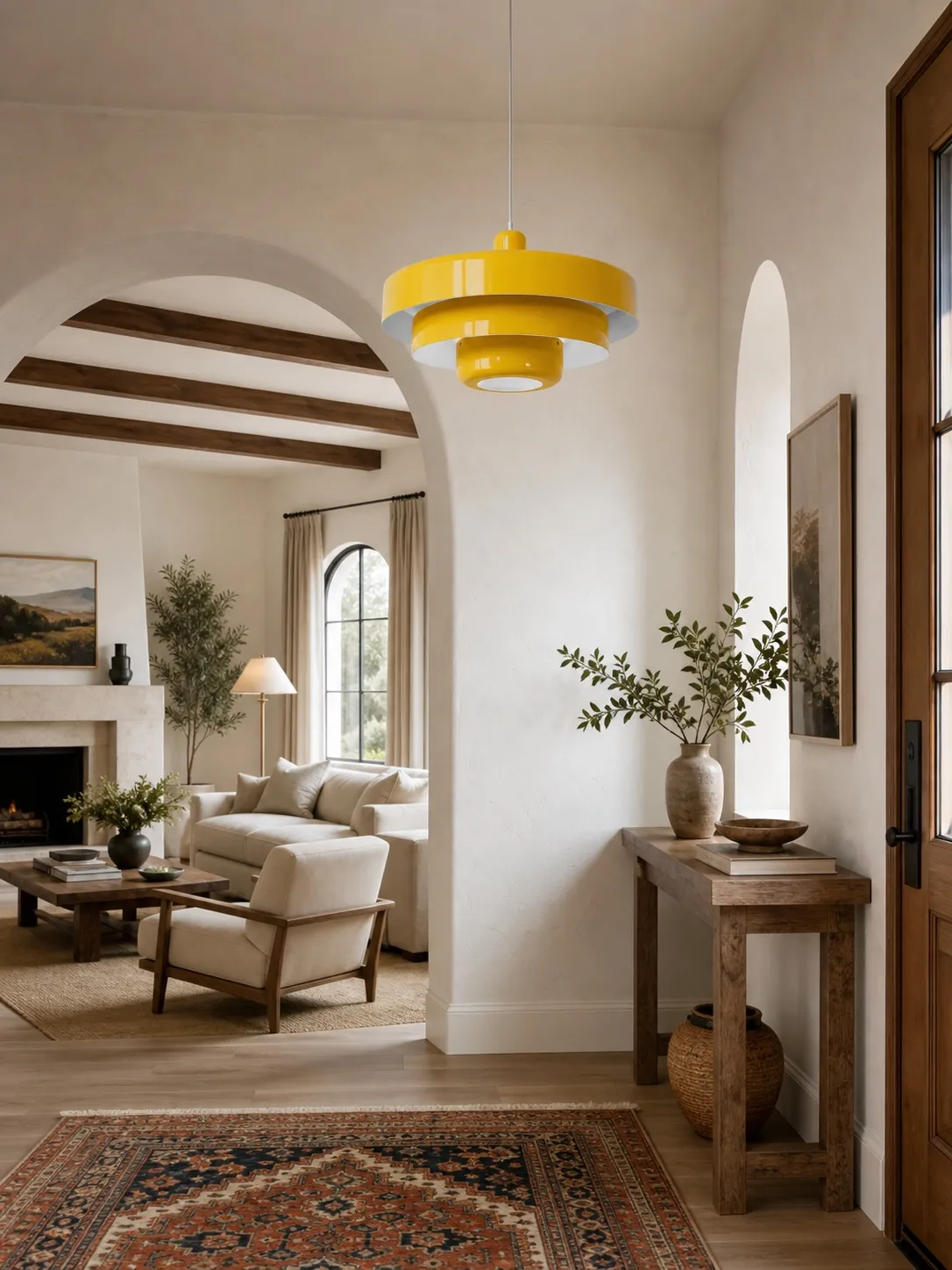
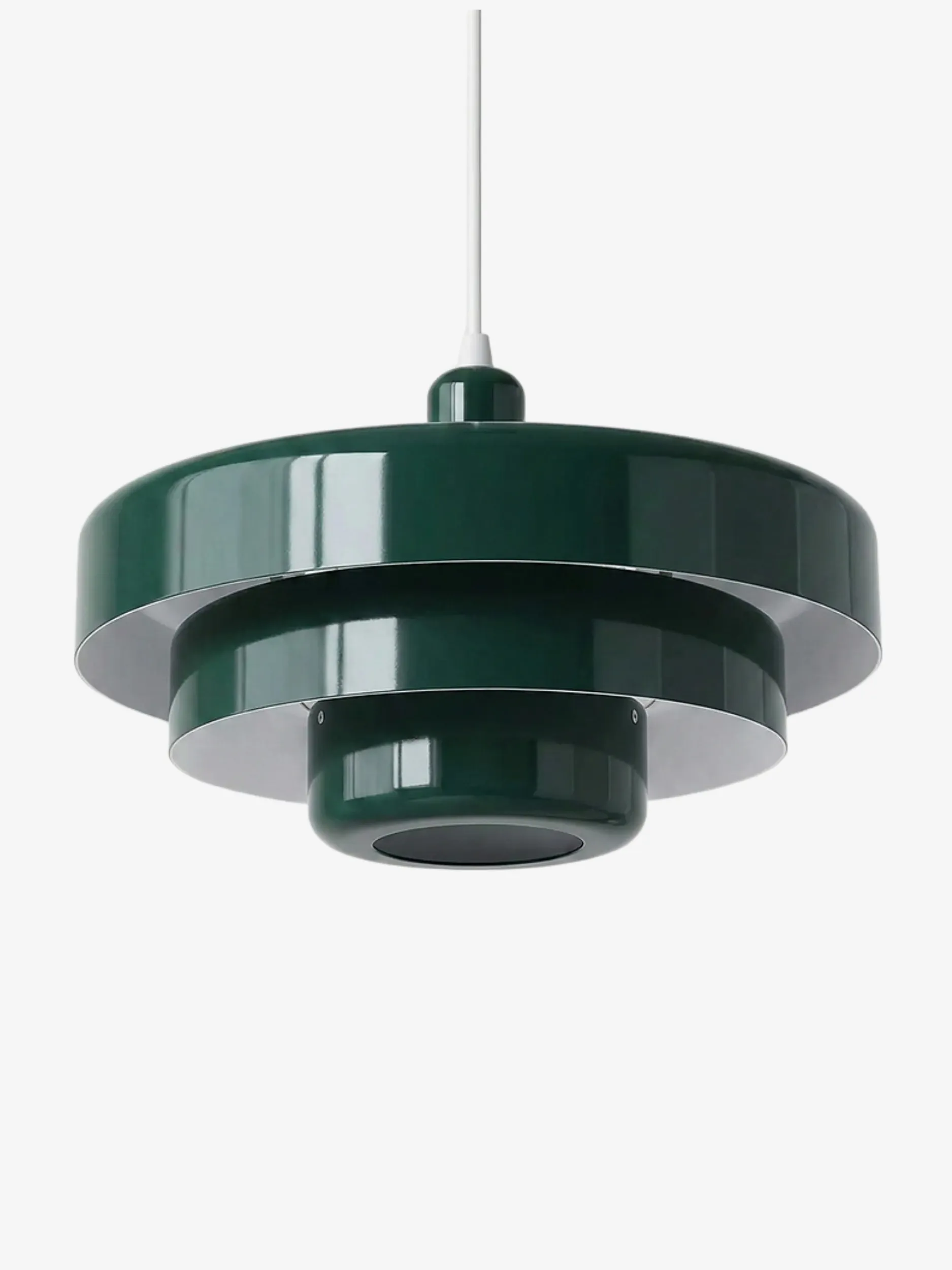
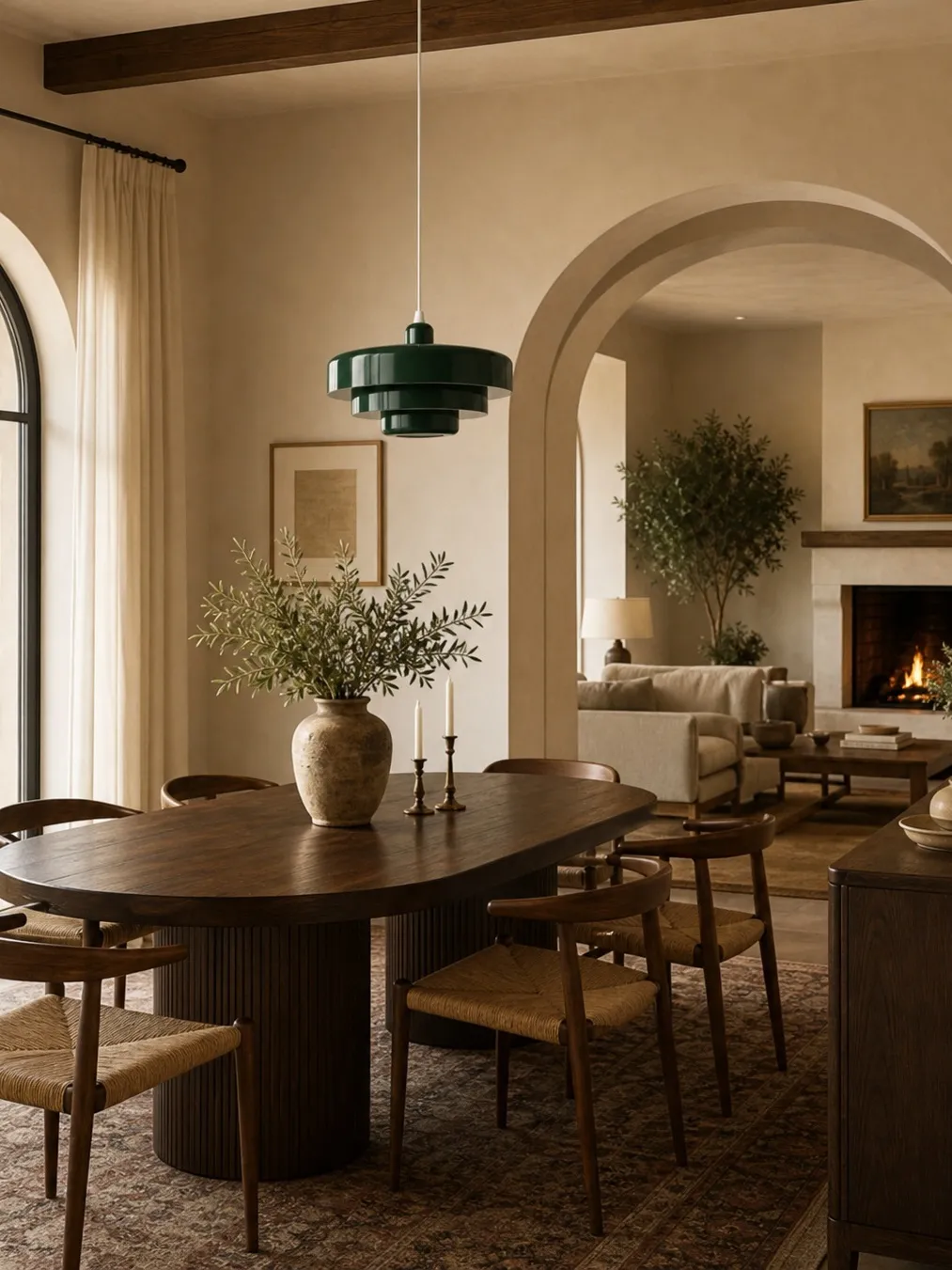
The 35 cm Triple Layer Disc Macaron pendant fits this category. It is closer to one-third of a 100 cm table diameter than the one-half-to-two-thirds centrepiece band, so it reads as a compact accent. That can be correct for a restrained breakfast setting, but it should not be presented as a universal six-seat solution.
When to Avoid the Compact Option
A single 35 cm shade is usually too visually narrow for a long rectangular dining table when the pendant is expected to be the main focal point. Avoid forcing it to compensate by hanging it extremely low. That creates glare and face obstruction without fixing the width.
Also pause when the product page does not clearly state canopy size, cord range or regional installation information. Public lighting reviews show that unclear canopy dimensions and incompatible installation requirements can change the purchase decision after delivery. Confirm those details before ordering, not while the electrician is waiting.
7 Dining Table Pendant Mistakes That Cause Glare or Bad Proportions provides the final check for scale, exposed bulbs, off-centre points and delivery inspection.
Brightness Does Not Rescue Bad Scale
A brighter bulb cannot make a tiny shade feel proportionate. It can only make the source more intense. Compare output by luminous flux, then choose a comfortable lamp within the fixture's rating. The featured pendant has one E27 holder and a 40 W maximum, so a long table may need separate room lighting even when multiple shades are not appropriate.
FAQ
Is a 35-inch pendant too big over a six-person table?
It may be dramatic rather than wrong. Tape the full diameter on the table and check edge clearance, shade density and room volume.
Should I size the light to the room or the table?
Size it to the table first. The room helps judge visual weight, but the table controls alignment and clearance.
What if the product page does not list canopy size?
Ask before buying. The canopy must cover the ceiling opening and suit the mounting conditions.
Can I use one small pendant over a long table?
Yes only as a quiet accent. It will not create the same visual span as a linear fitting or repeated arrangement.
What if I later extend or replace the table?
Plan adjustable suspension and, for repeated fittings, a layout that still centres on the likely future table length.
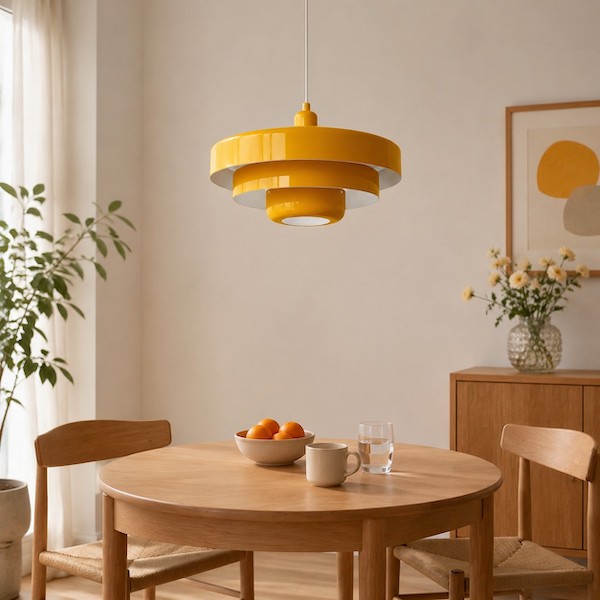
After the outline and clearance test pass, verify the current 35 cm product dimensions and installation information before committing.