How High Should a Pendant Light Hang Above a Dining Table? Test the View, Not Just the Tape
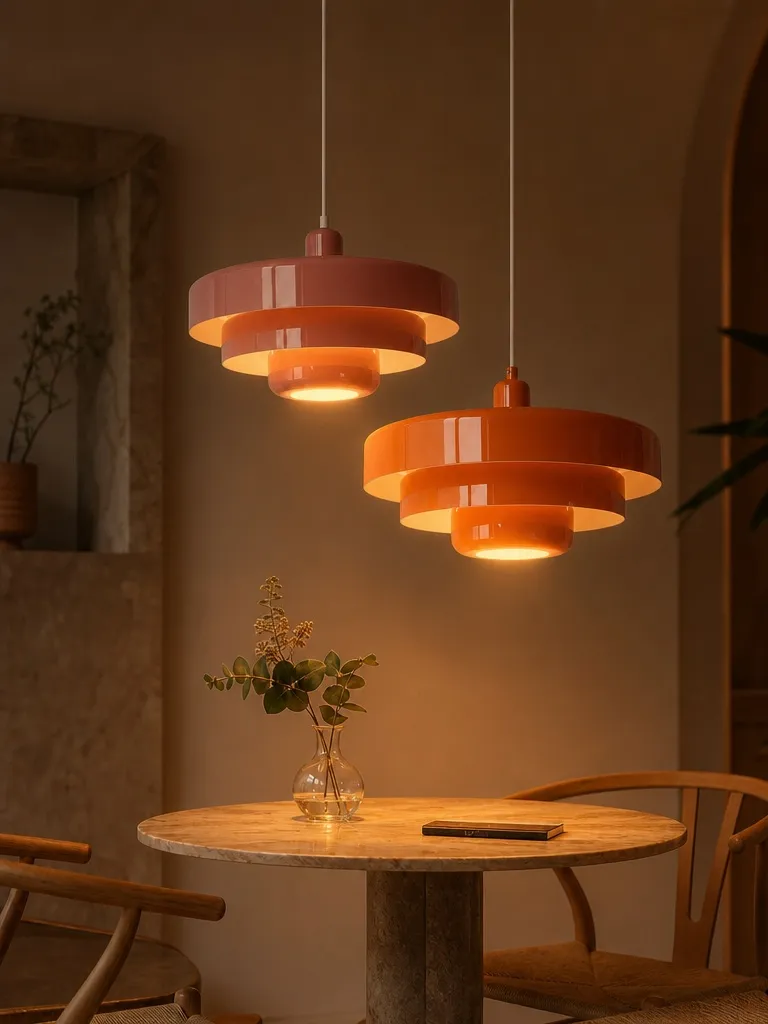
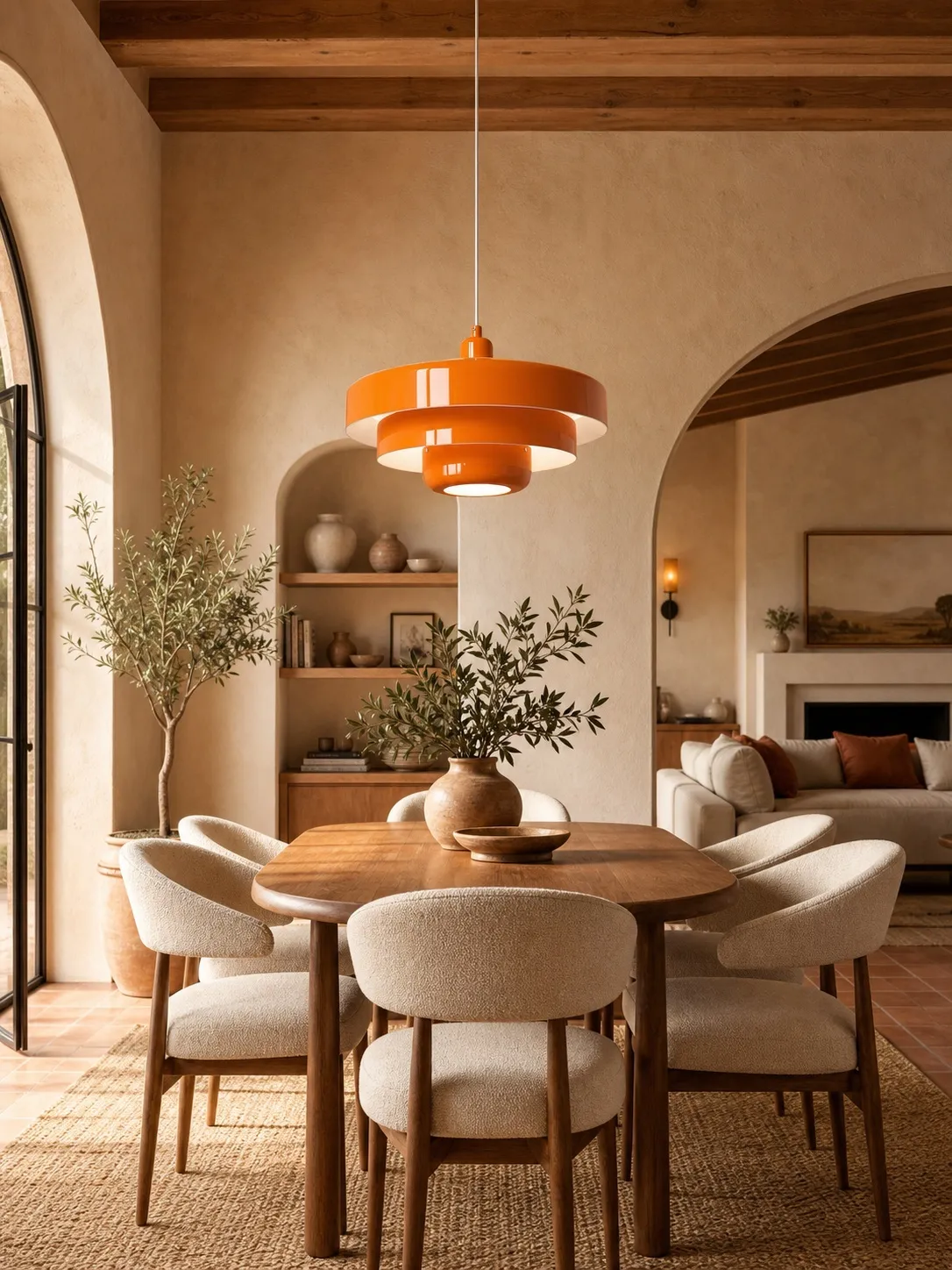
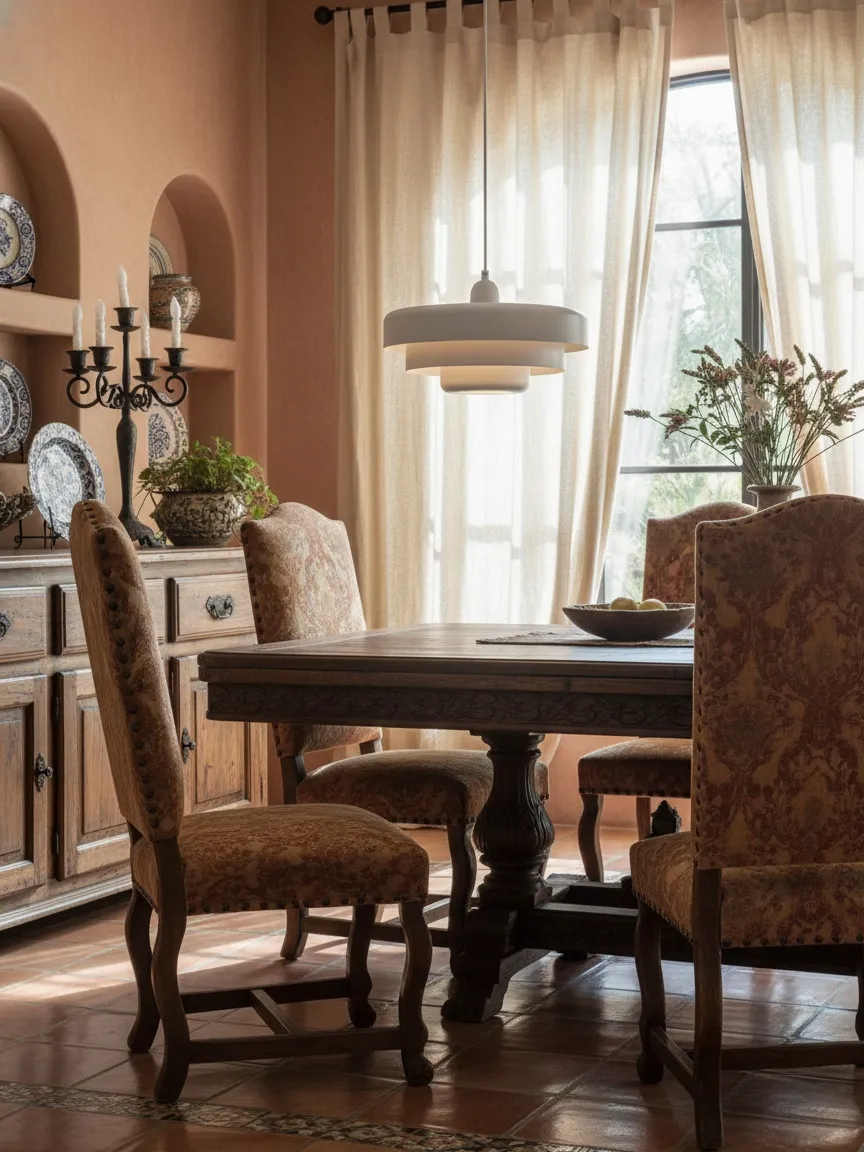
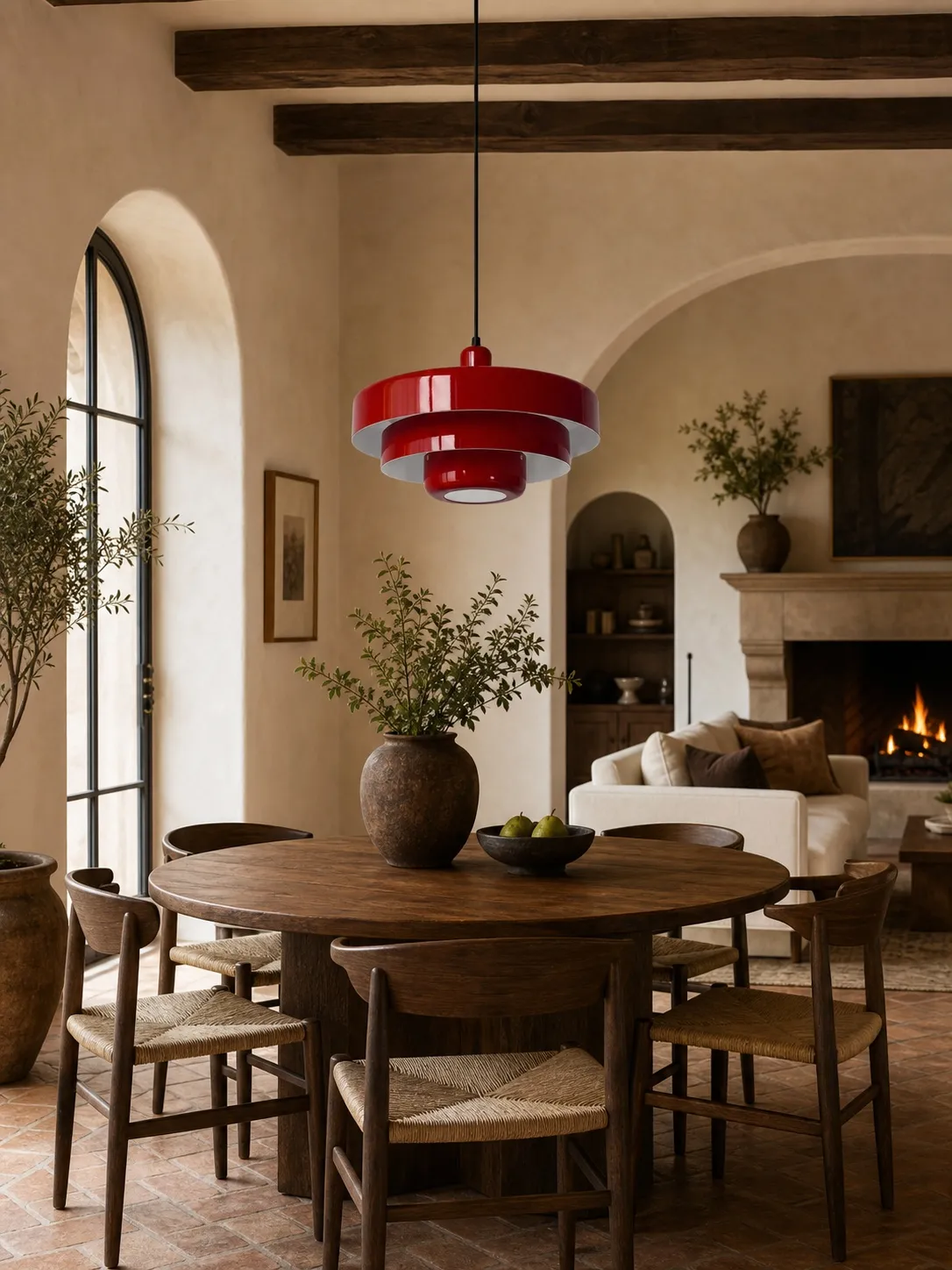
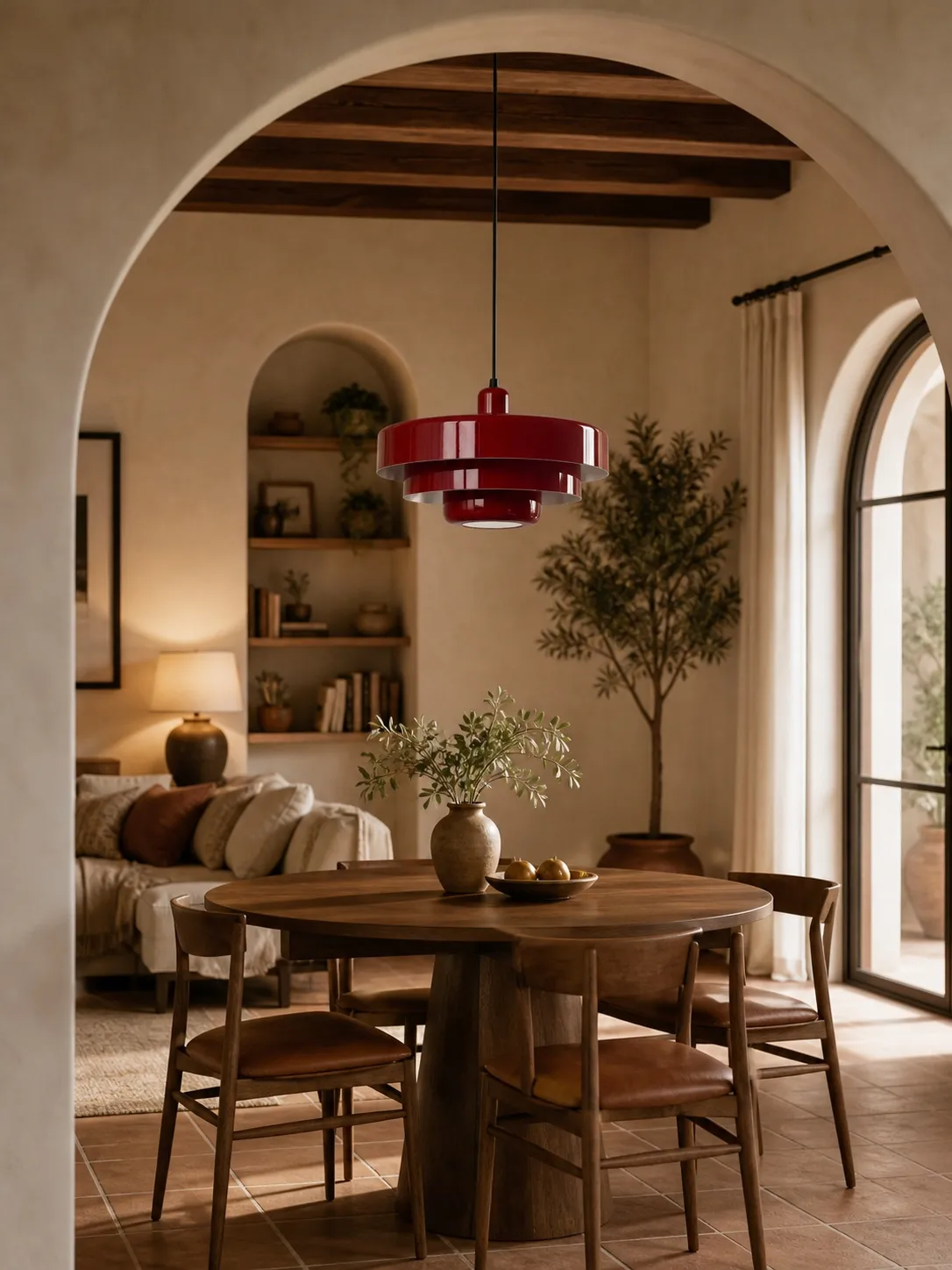
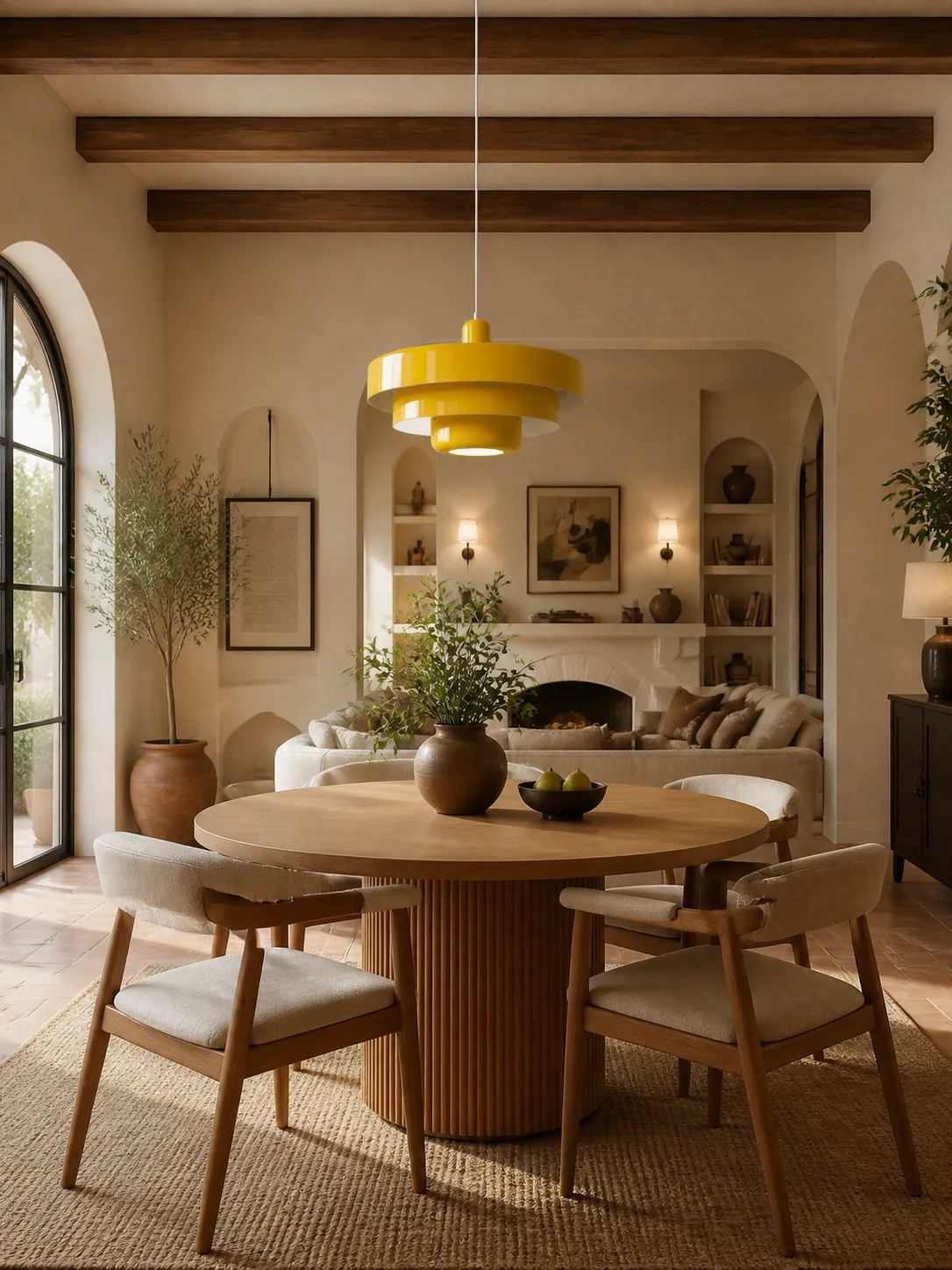
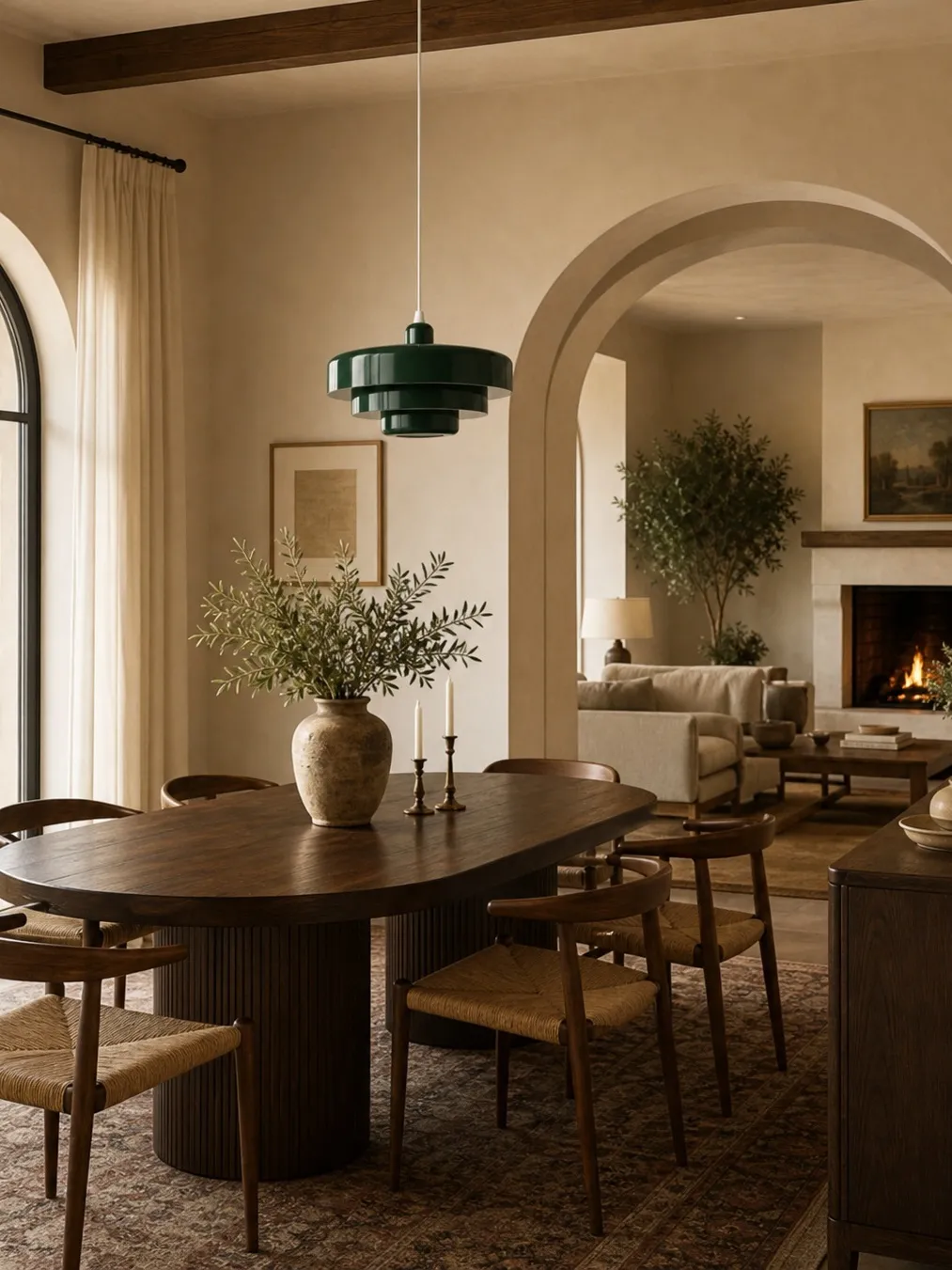
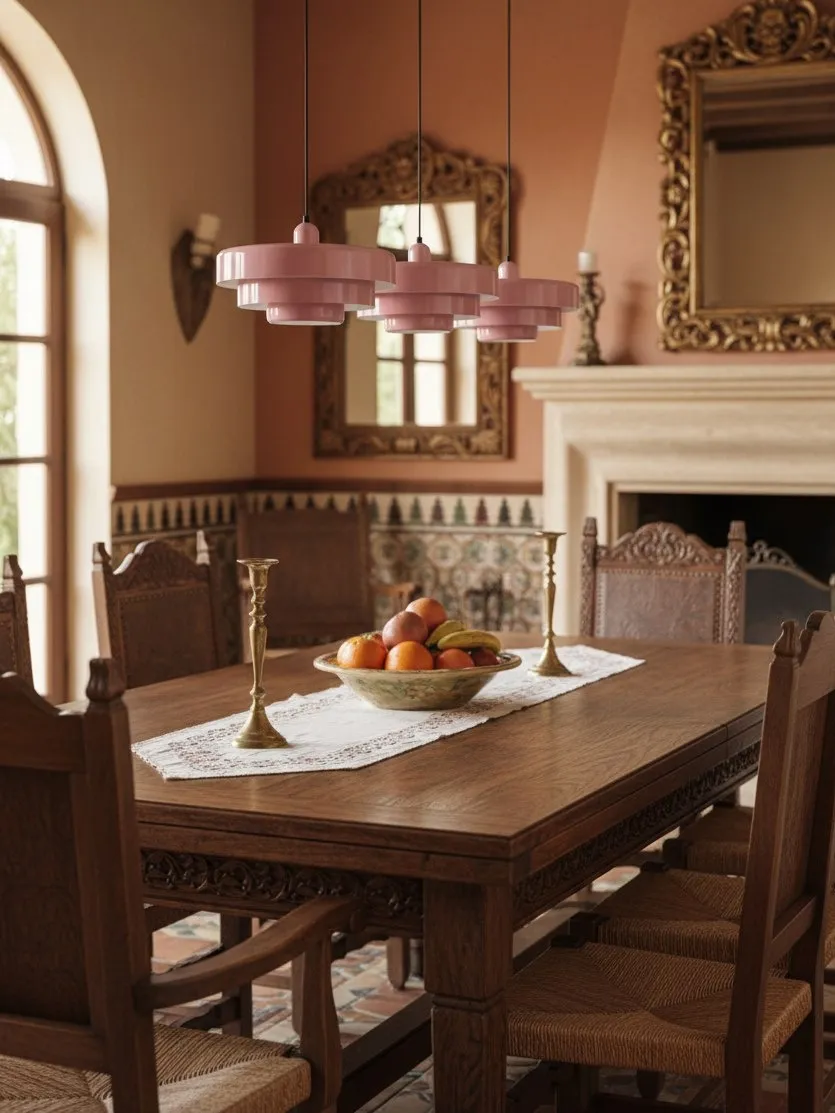
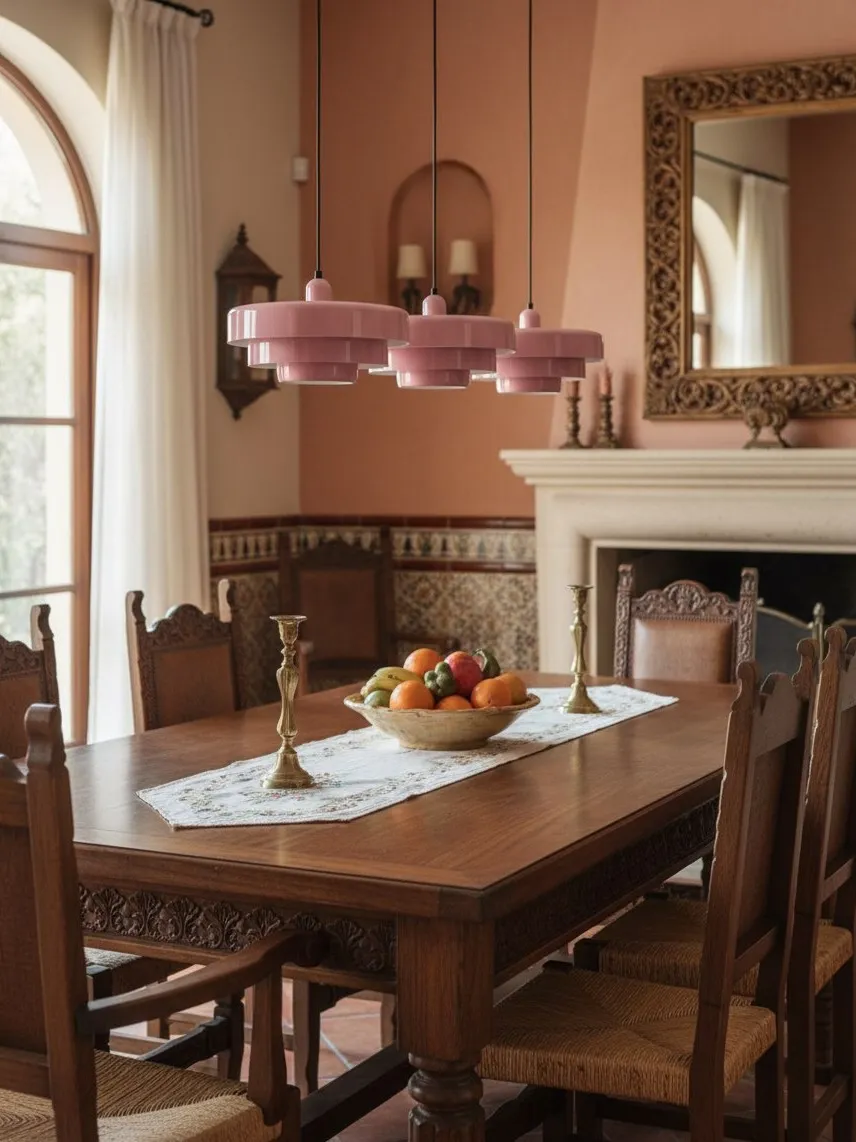
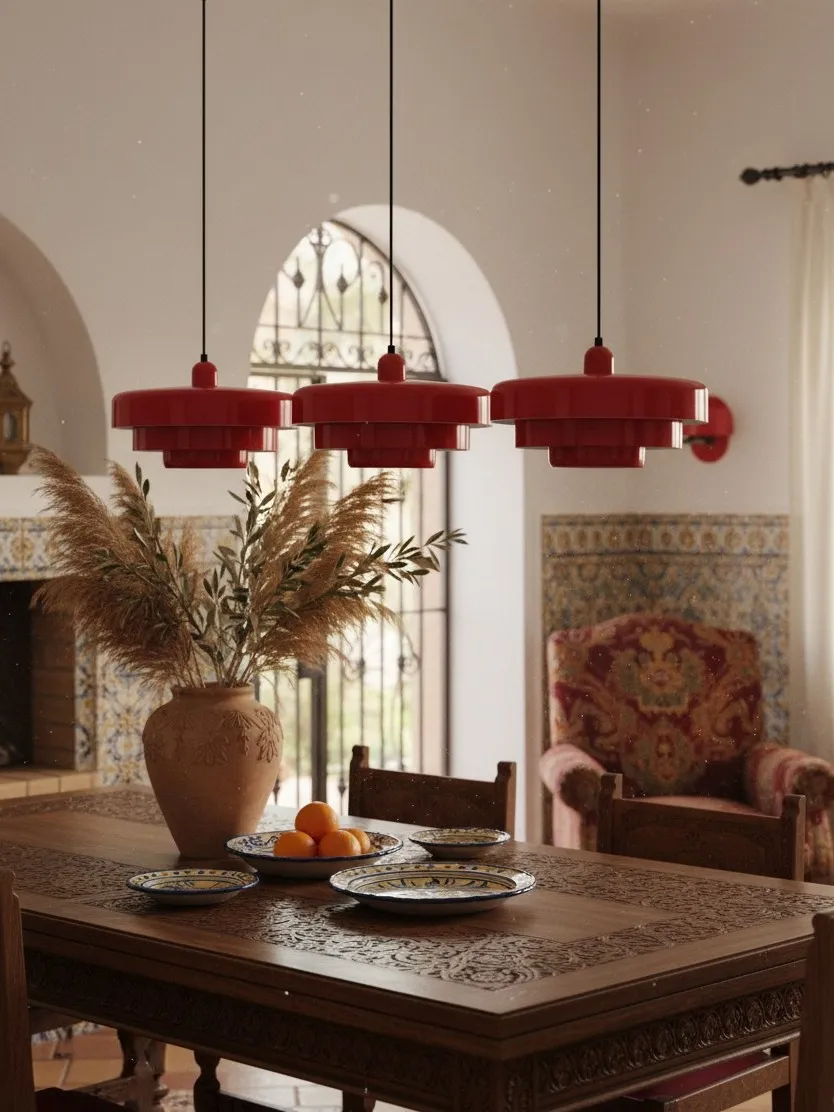
Start with the pendant's lowest edge 76-91 cm (30-36 in) above the tabletop. Then adjust it while people are seated. The right height keeps the fitting visually connected to the table, leaves faces visible, hides the brightest part of the lamp from normal viewing angles and preserves a comfortable serving route.
Before You Start: Record the Variables That Change Height
- Tabletop height, width and shape.
- Ceiling height and the location of the electrical point.
- Pendant depth, diameter, canopy and adjustable cord range.
- The tallest regular user's seated eye level.
- Whether the bulb is visible through an open bottom or clear shade.
- Doors, cabinets, fans and walking routes near the table.
The wider planning context belongs in Dining Table Pendant Lighting: The Complete Height, Size and Brightness Guide. This article isolates the vertical decision so you can solve it before an electrician cuts cable.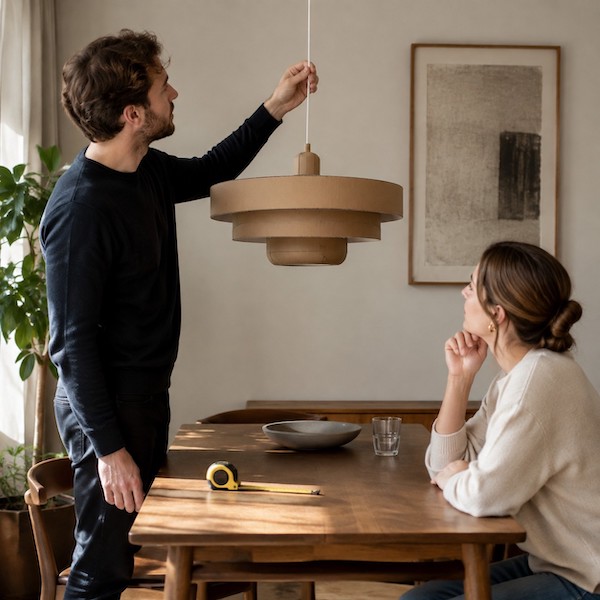
Step 1: Decide What the Pendant Must Do
A dining pendant usually has three jobs: define the table, provide useful table light and support a comfortable evening atmosphere. If it is mainly decorative, you can prioritise silhouette and sightlines. If it is the strongest table light, the shade opening and bulb visibility matter more. A clear exposed source may produce discomfort even at a height that looks correct in a photograph.
The encyclopaedic overview of glare distinguishes visibility problems from visual discomfort. At home, the practical response is simple: sit down and check whether a bright source sits directly in the normal line of sight.
Step 2: Begin at 30-36 Inches Above the Table
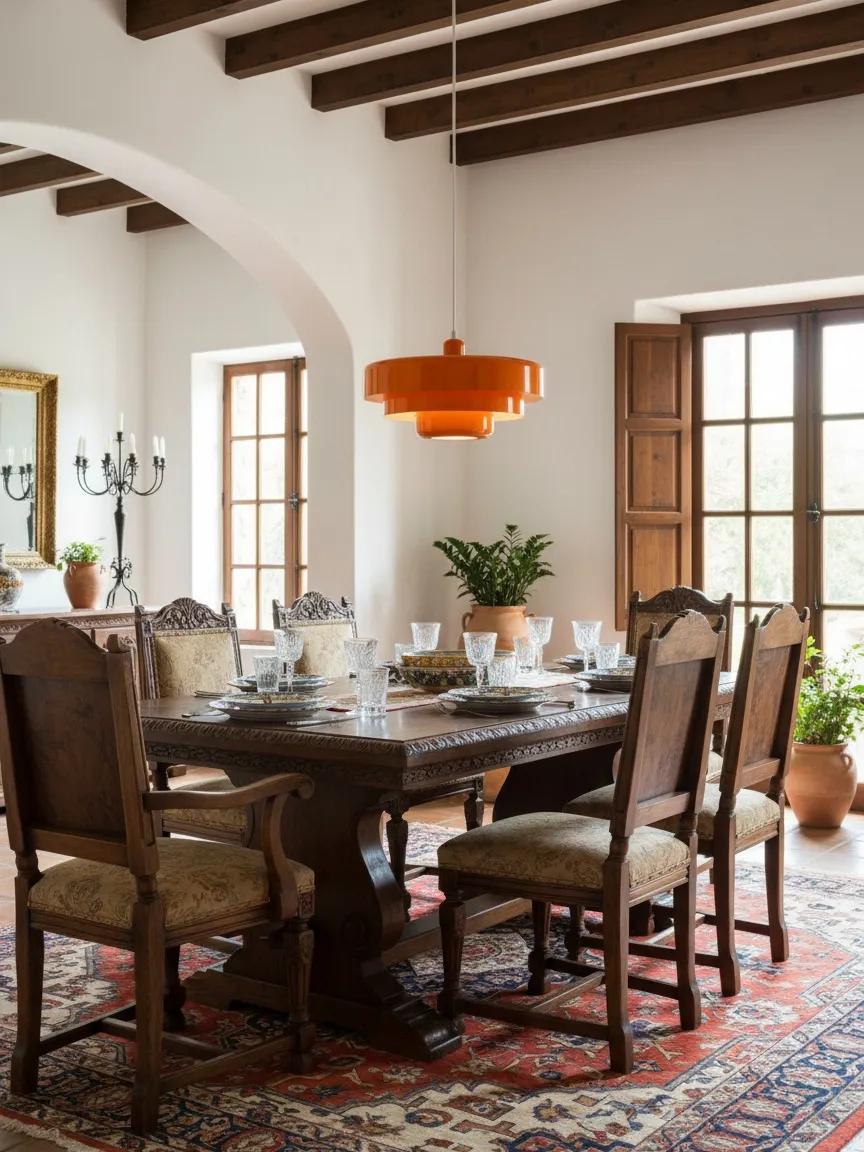
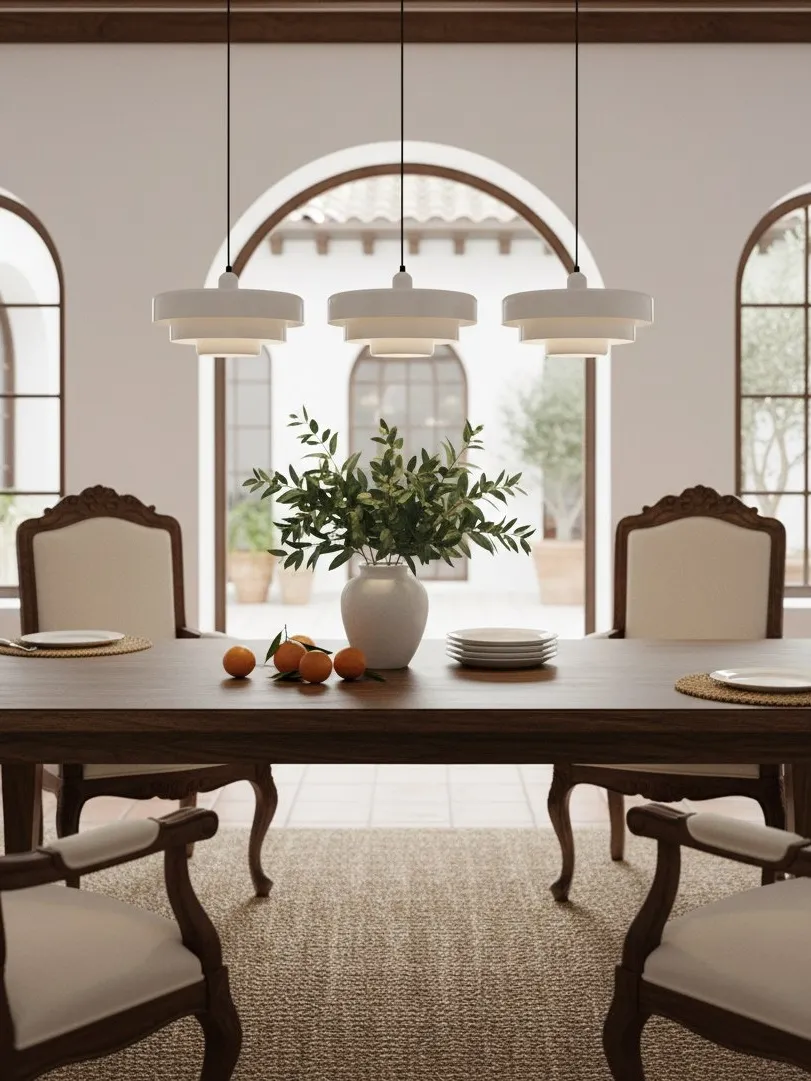
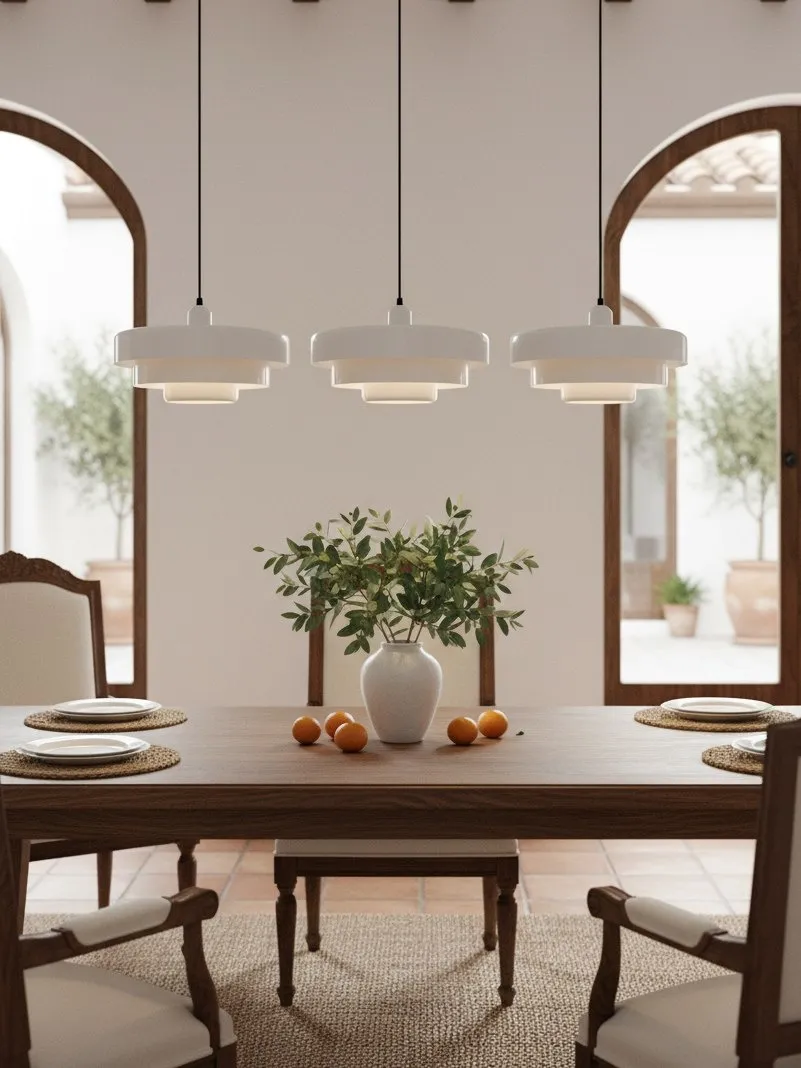
Set a temporary marker at 84 cm (33 in), the middle of the common range. Hang a cardboard silhouette that matches the pendant's real width and depth. This is more useful than holding a tape in the air because the eye responds to the object's volume, not just its bottom edge.
Move the mock-up down if the pendant looks detached and its pool of light spreads too broadly. Move it up if the shade hides faces, crowds a centrepiece or exposes a bright underside. Make changes in 5 cm or 2 inch steps and photograph each position from the doorway and from a chair.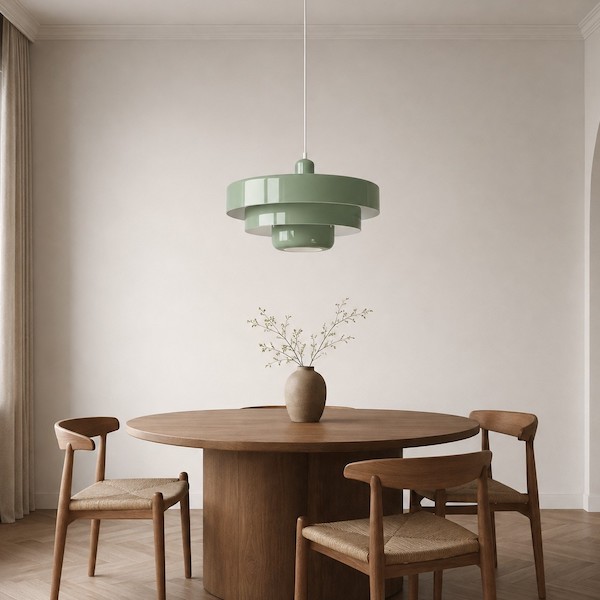
Step 3: Adjust for Shade Depth, Table Shape and Ceiling Height
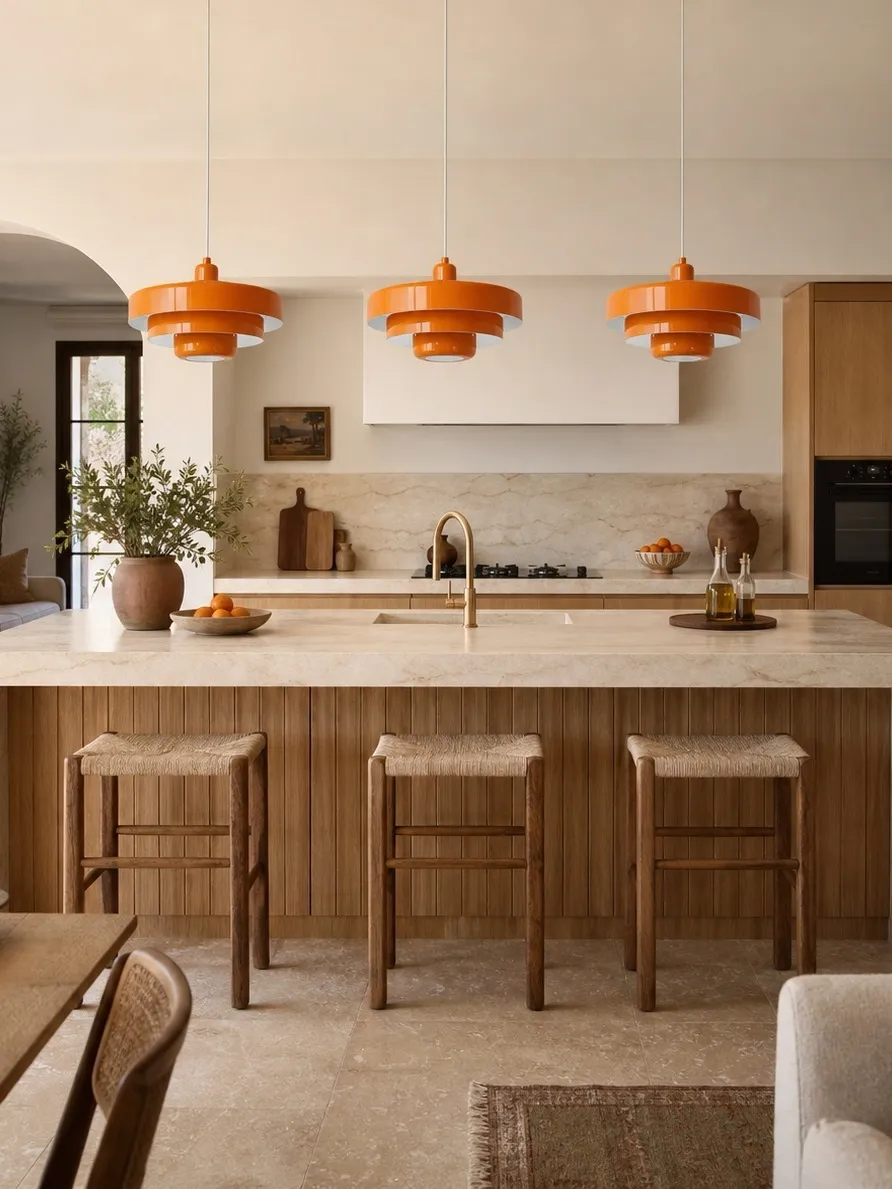
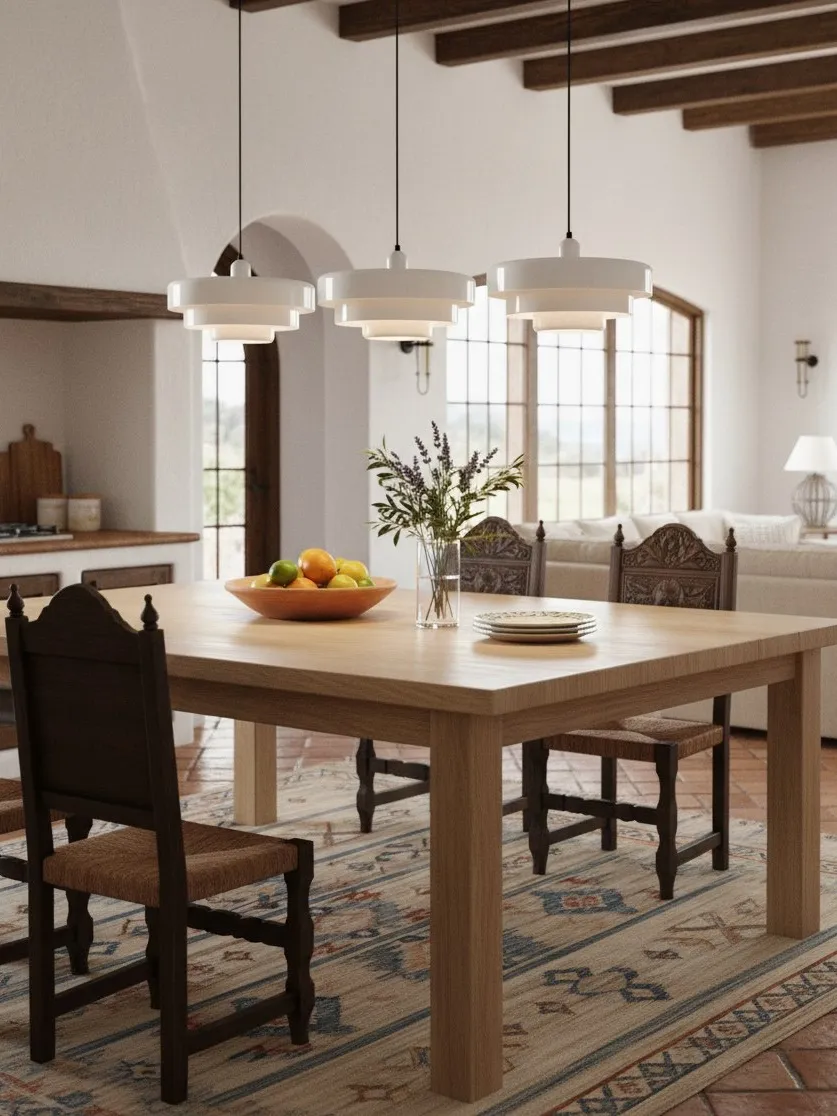
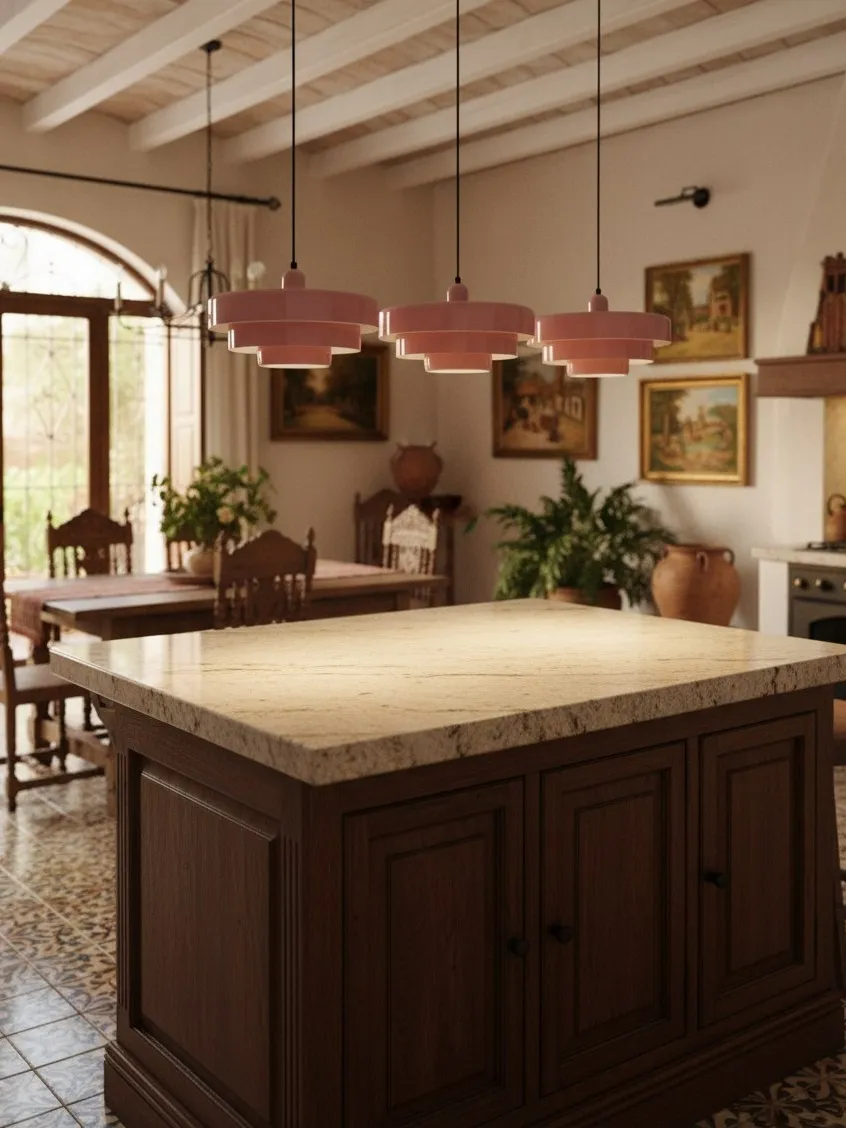
A 21 cm-deep shade occupies more vertical space than a thin disc even when both bottom edges are equal. Dark finishes also look visually heavier. Over a round table, one central pendant can often sit confidently within the starting band. Over a long rectangular table, several smaller pendants must share a consistent lowest edge unless a deliberate stagger is part of the design.
Ceiling height changes the length of visible cord, not the basic relationship to the tabletop. A high ceiling does not automatically justify pulling the light far above the diners. Keep the table connection first, then use the upper suspension to make the ceiling-to-fixture transition look intentional.
For width and table-shape decisions, How Wide Should a Pendant Light Be Over a Round vs Rectangular Table? explains why the same hanging height can feel different when the shade is too narrow or too broad.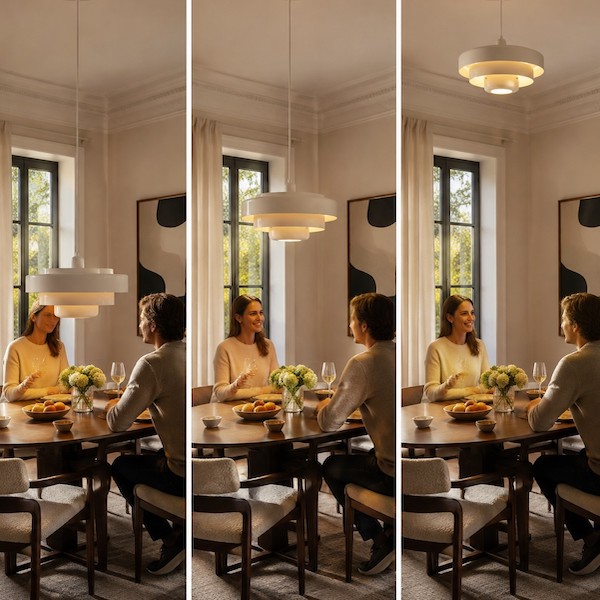
Step 4: Verify the Product's Adjustment Range Before Installation
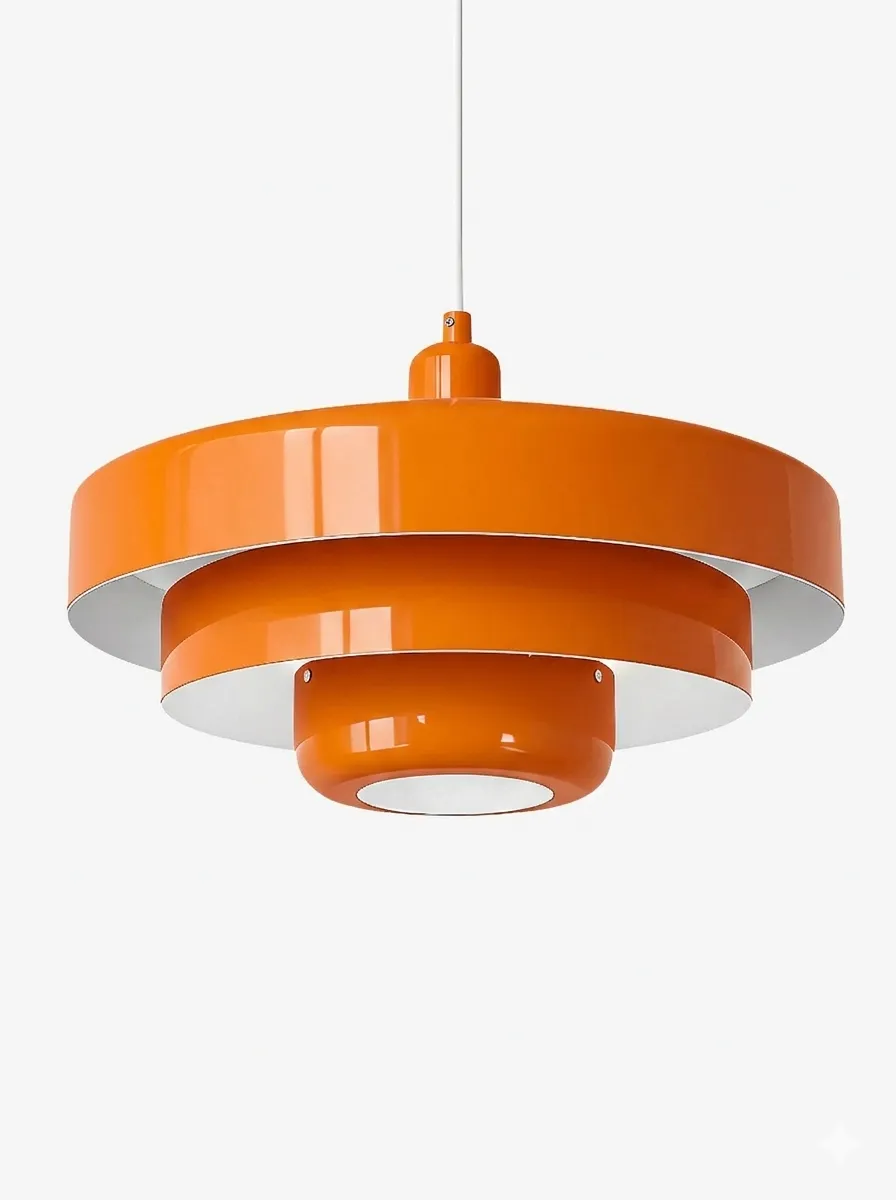
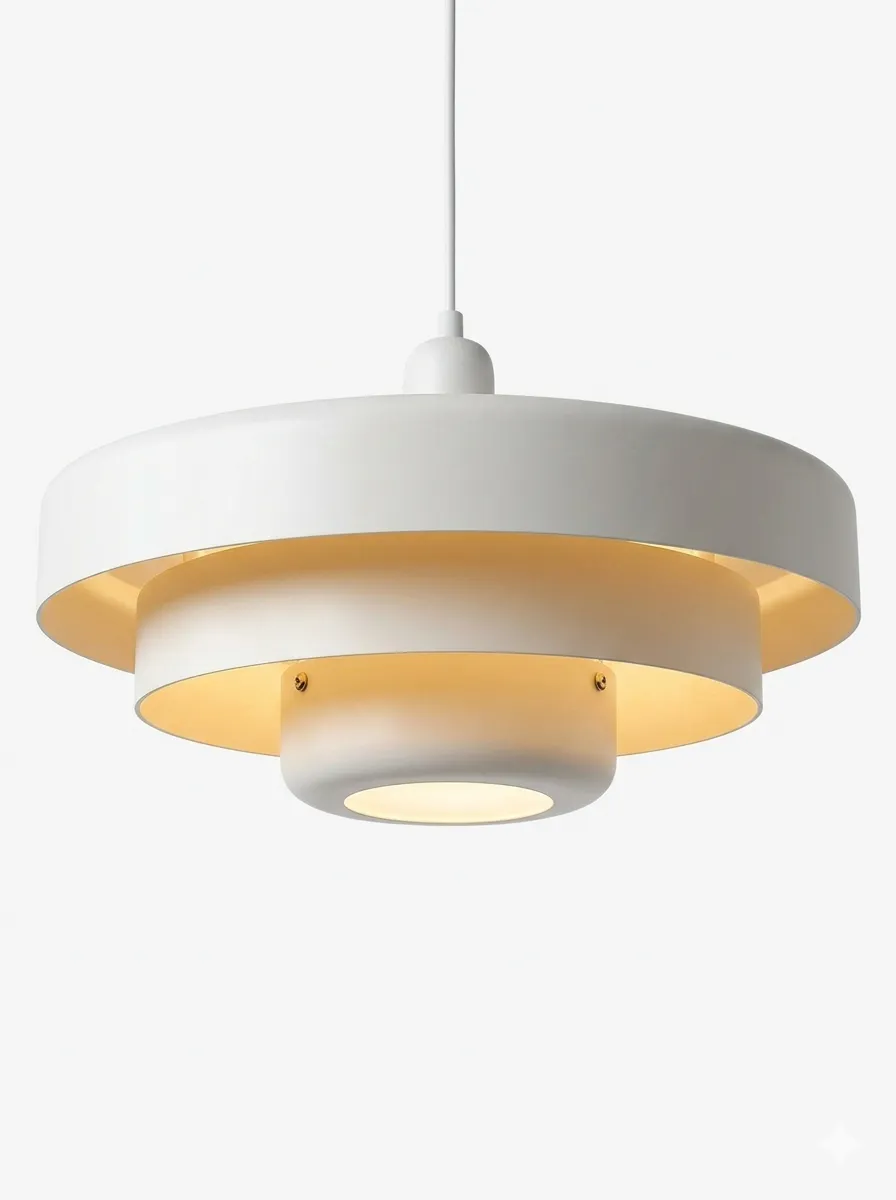
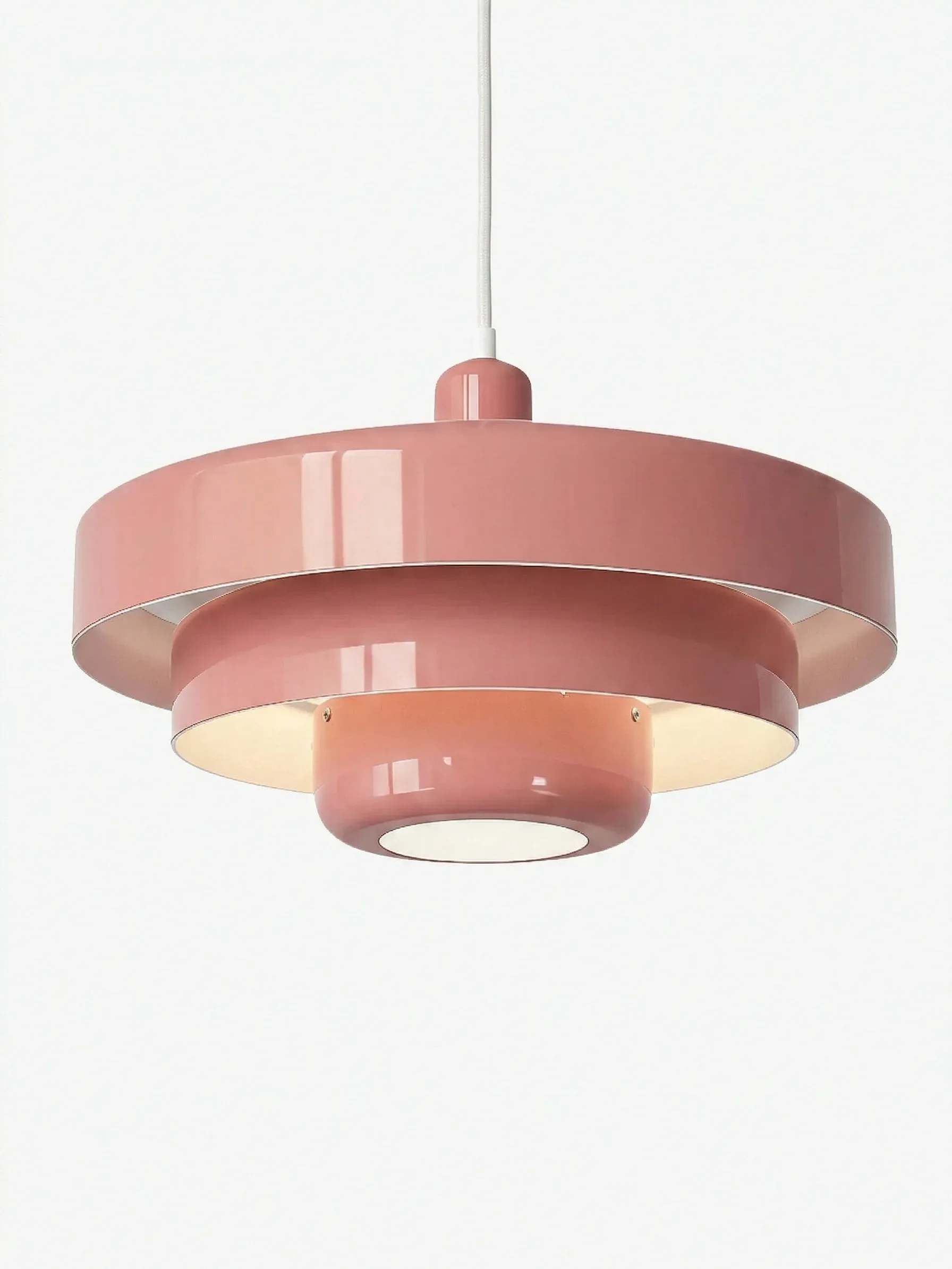
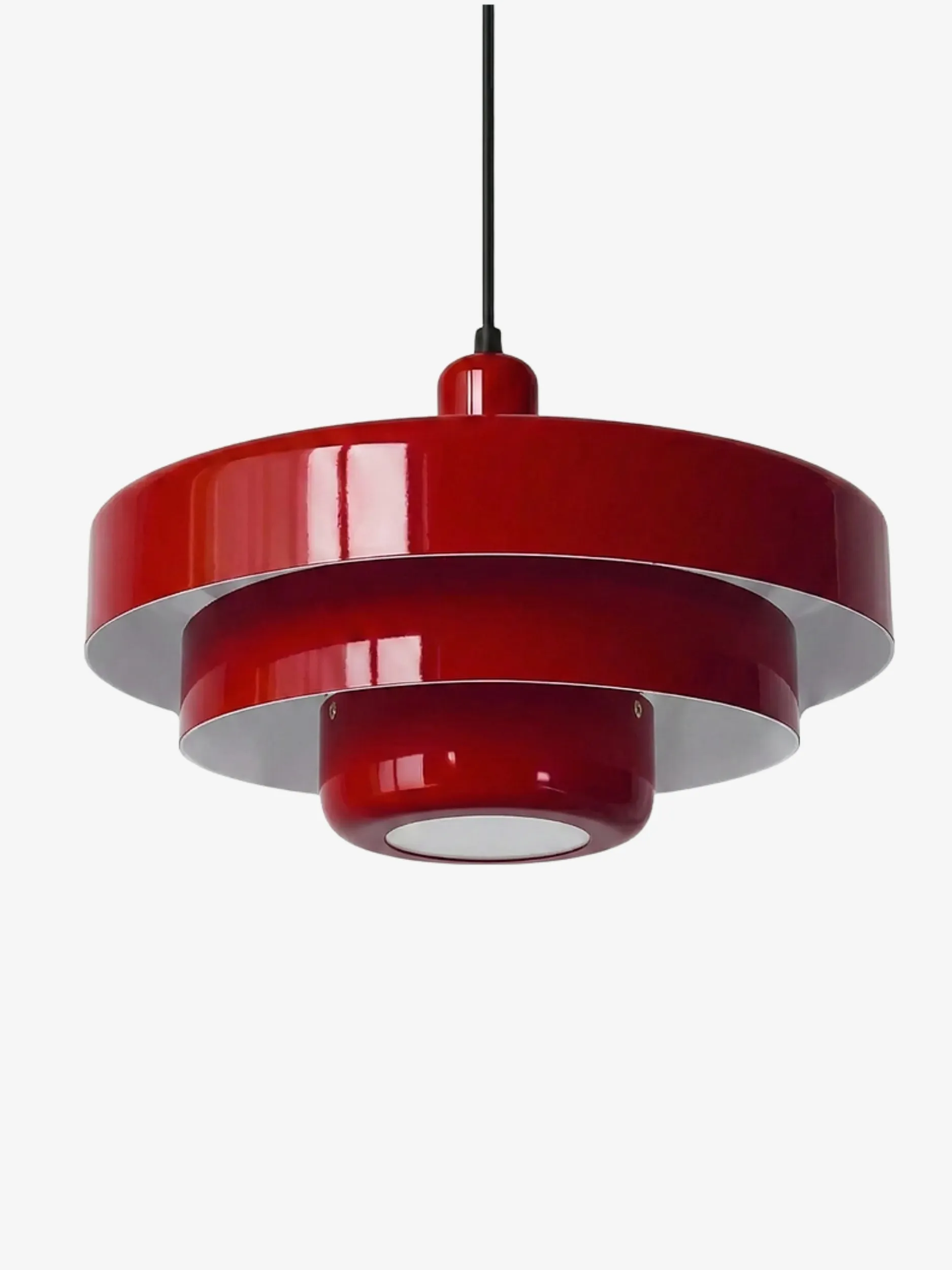
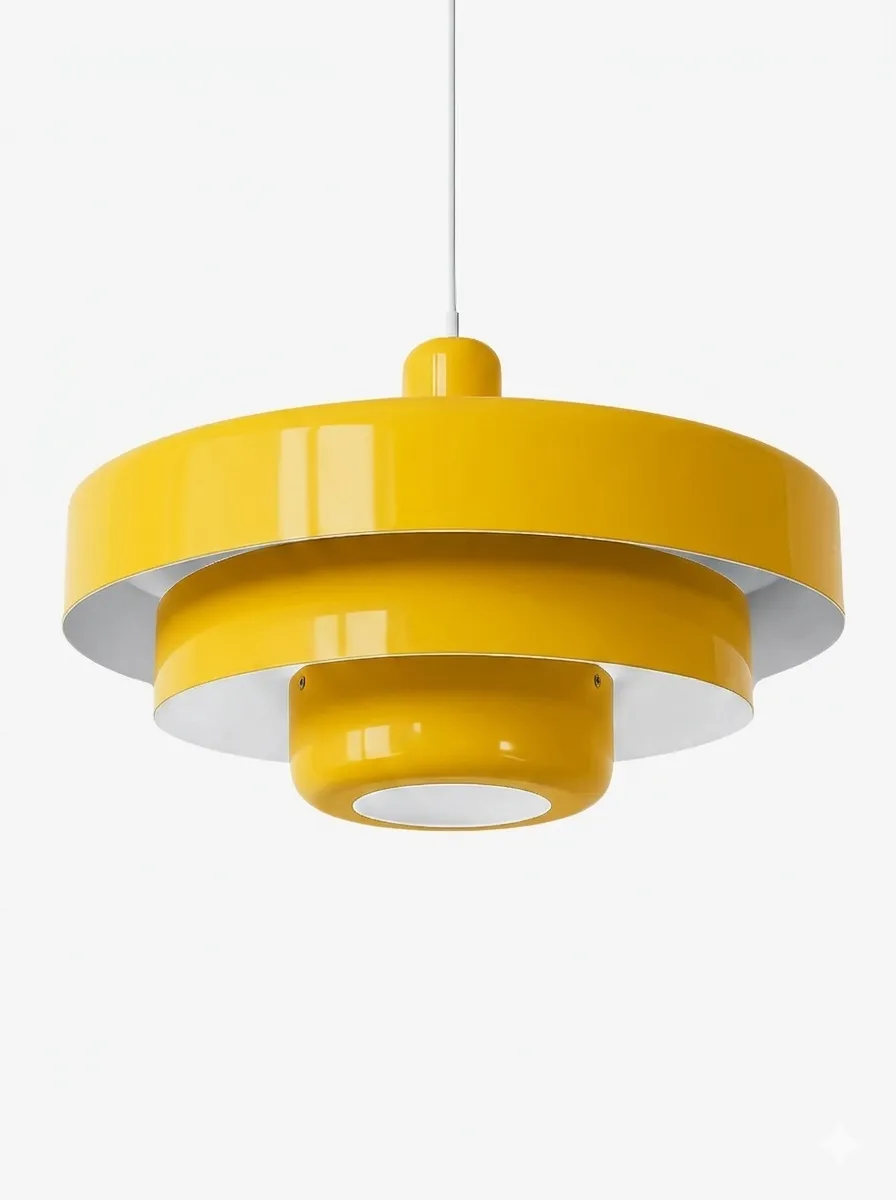
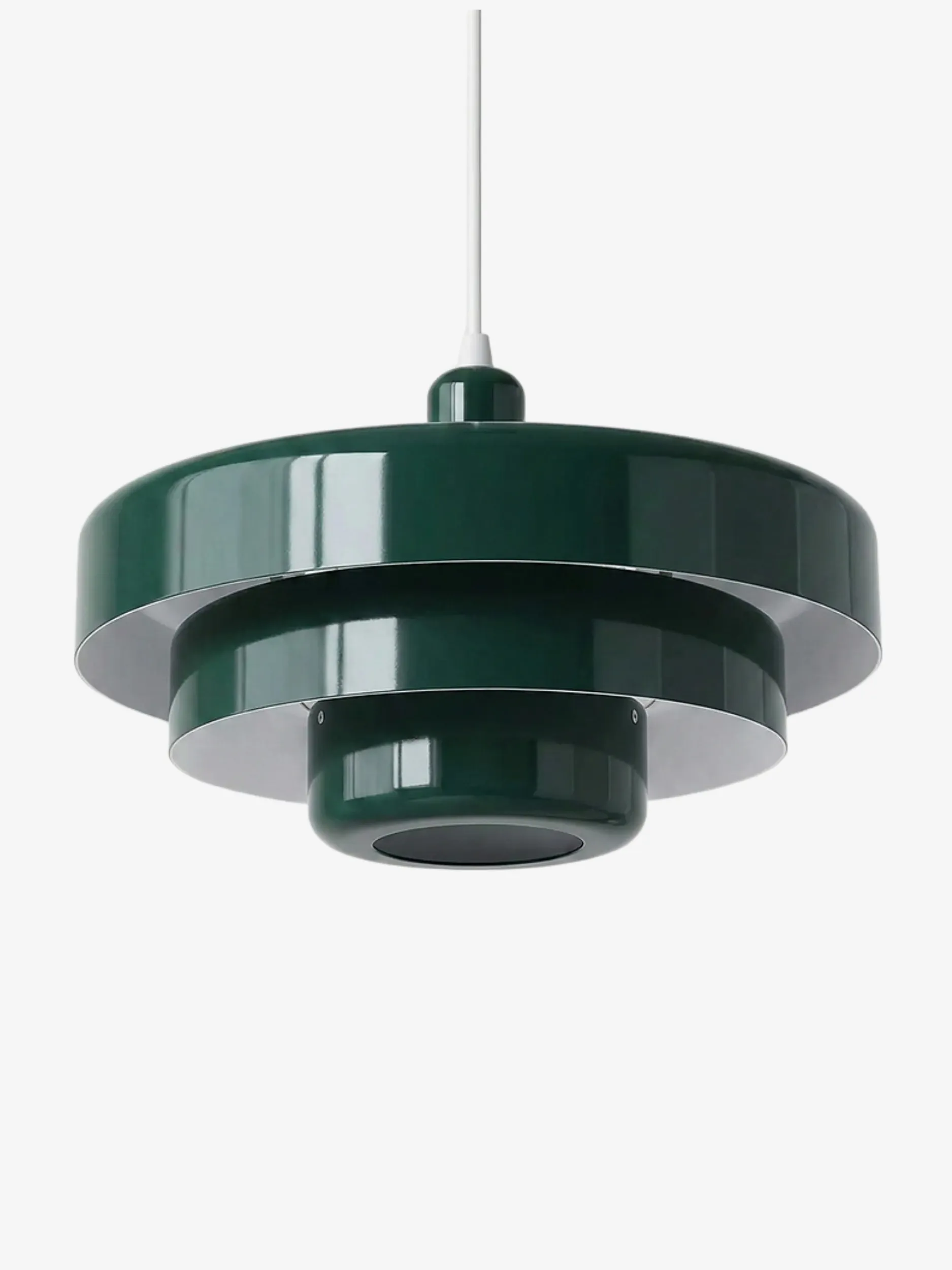
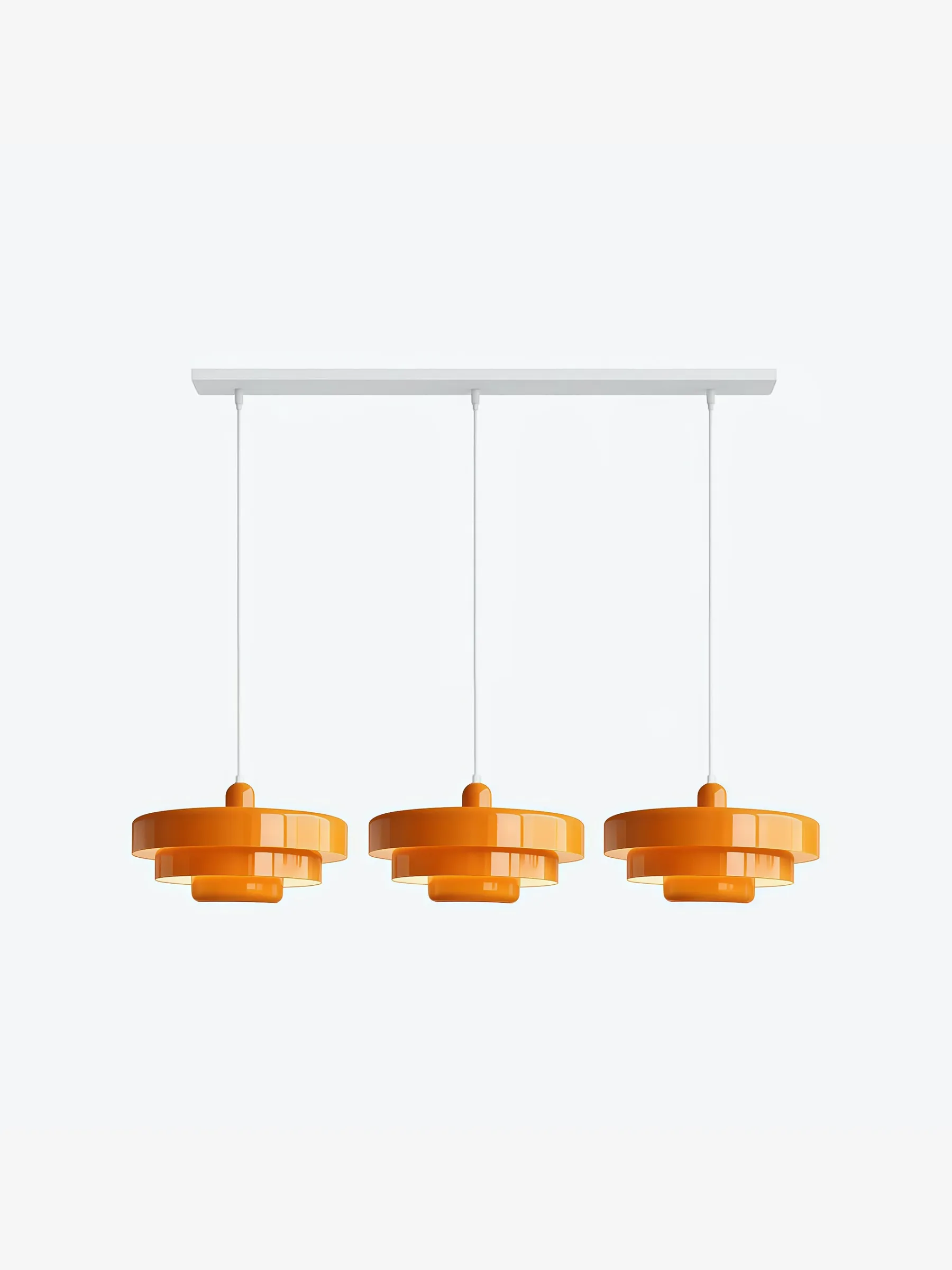
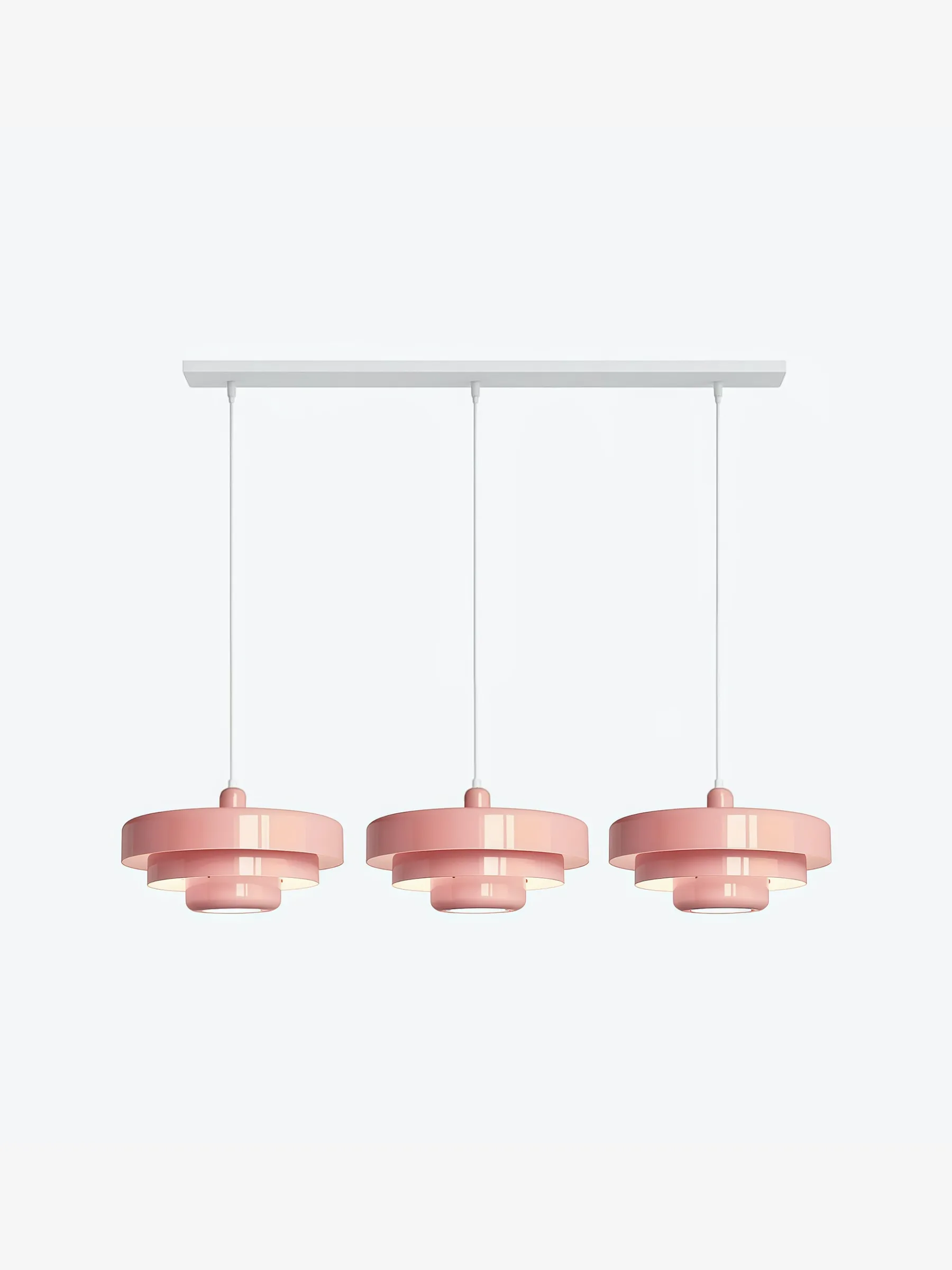
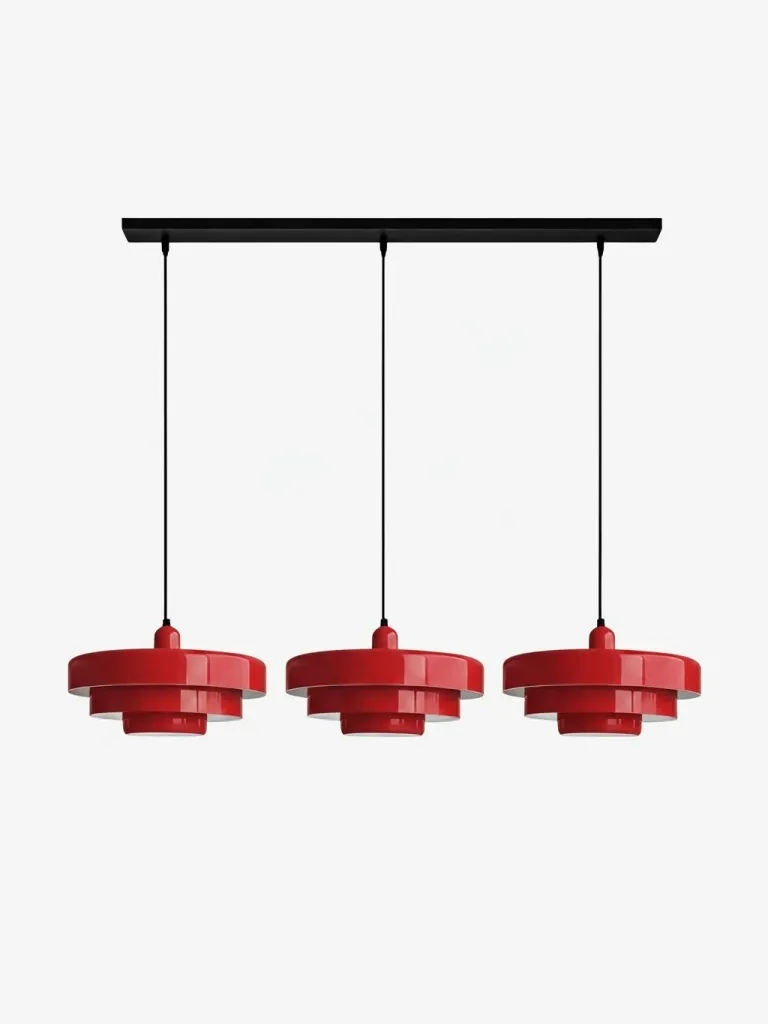
The featured layered pendant is listed with a 150 cm cord, a 35 cm diameter and a 21 cm height. Calculate the required drop from ceiling to the top of the shade, not just the floor-to-shade position. Confirm how much cord can be shortened or stored at the canopy. Do this before installation; public home-design discussions include buyers whose cable was cut too short and could not be lowered without rework.
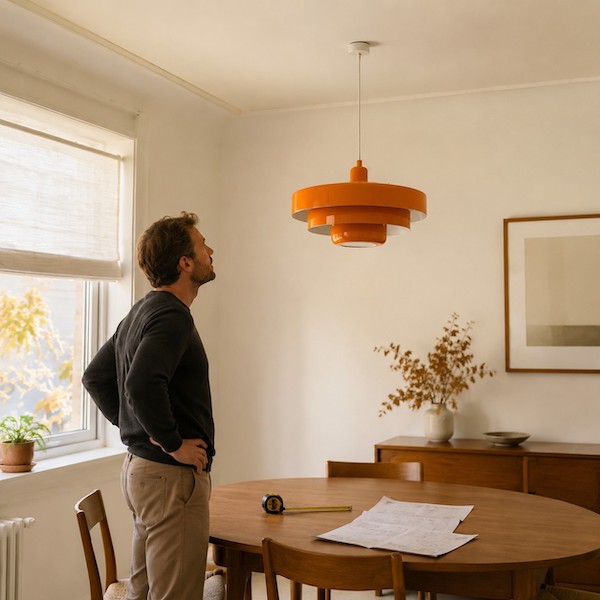
Step 5: Test Night-Time Glare and Real Movement
Install the intended E27 bulb temporarily, following the fixture's 40 W maximum. Judge its output in lumens as a measure of luminous flux and its appearance in kelvin; the CIE definition of correlated colour temperature explains the scale used to describe whether white light appears warmer or cooler. Test with other room lights both on and off.
Carry plates around the table, pull every chair back and stand at the serving side. If a shoulder can meet the shade while a chair is occupied normally, height is not the only problem; width or table alignment may be wrong. Read 7 Dining Table Pendant Mistakes That Cause Glare or Bad Proportions before final tightening.
Final Installation Checklist
- Lowest edge tested within the 30-36 inch starting band.
- Faces visible from every regular seat.
- Brightest part of the bulb not exposed at normal eye level.
- Table, not room, used as the centring reference.
- Cord length, canopy coverage and ceiling support confirmed.
- Fan blades, doors and circulation routes remain clear.
- Electrician receives the chosen height before cutting or fixing cable.
A Compact Pendant With a Measurable Drop
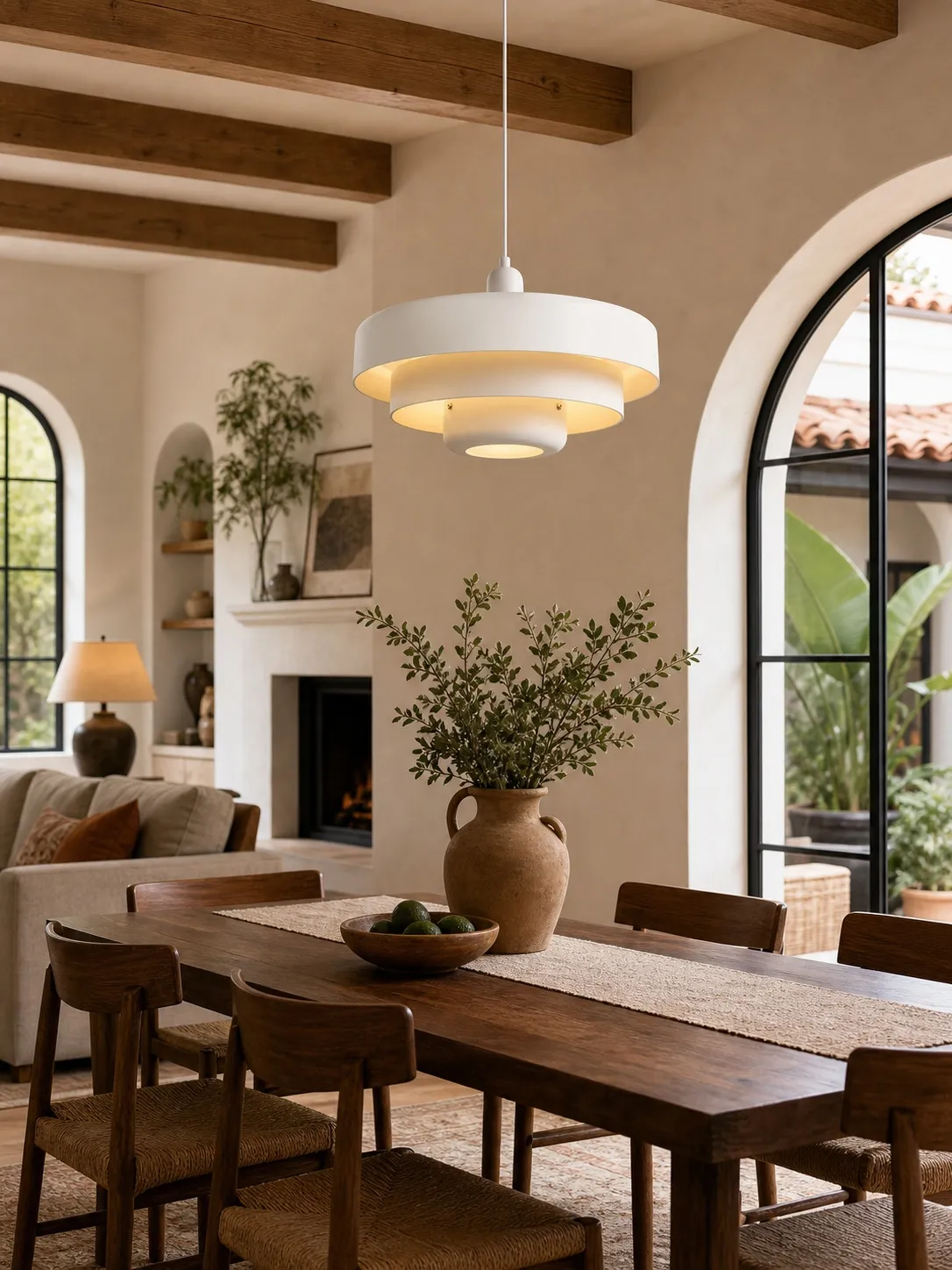
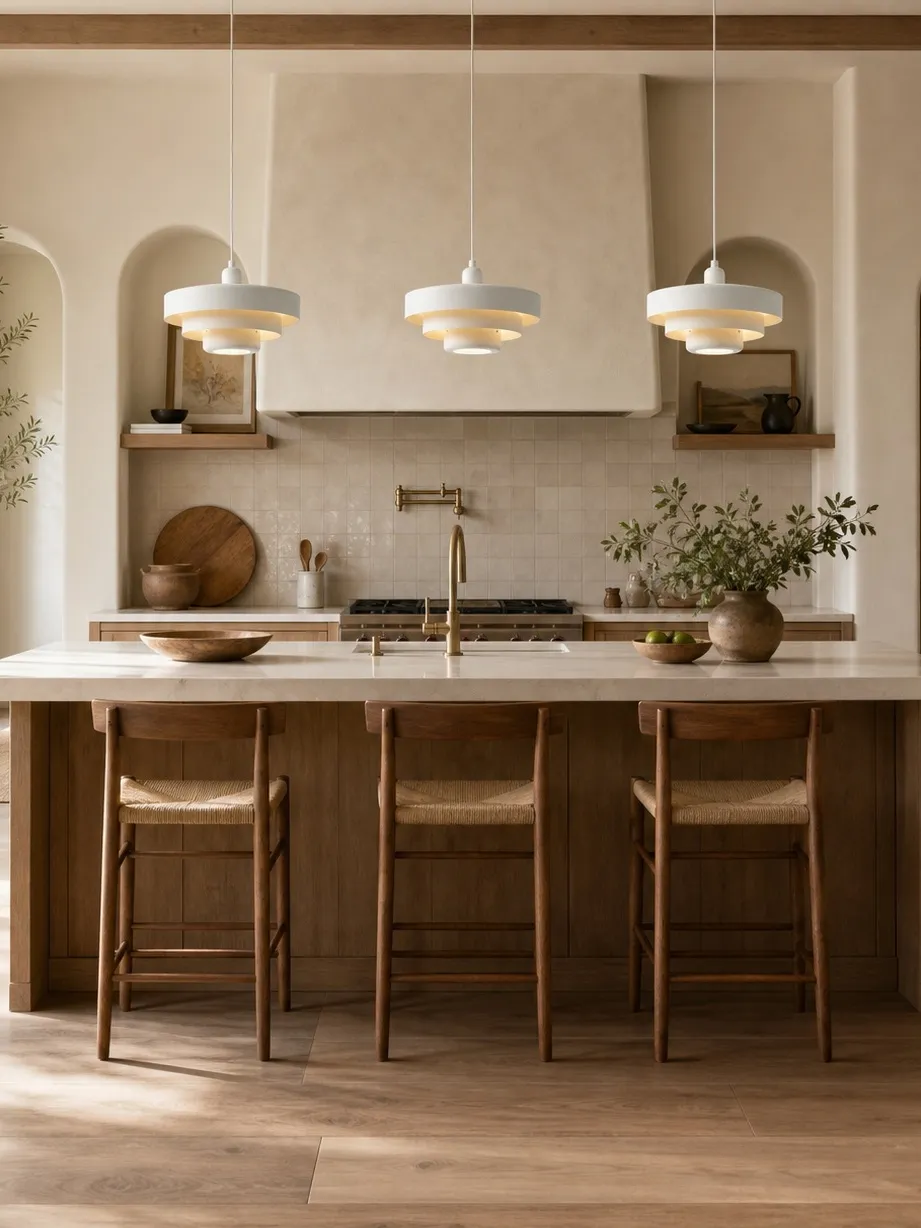
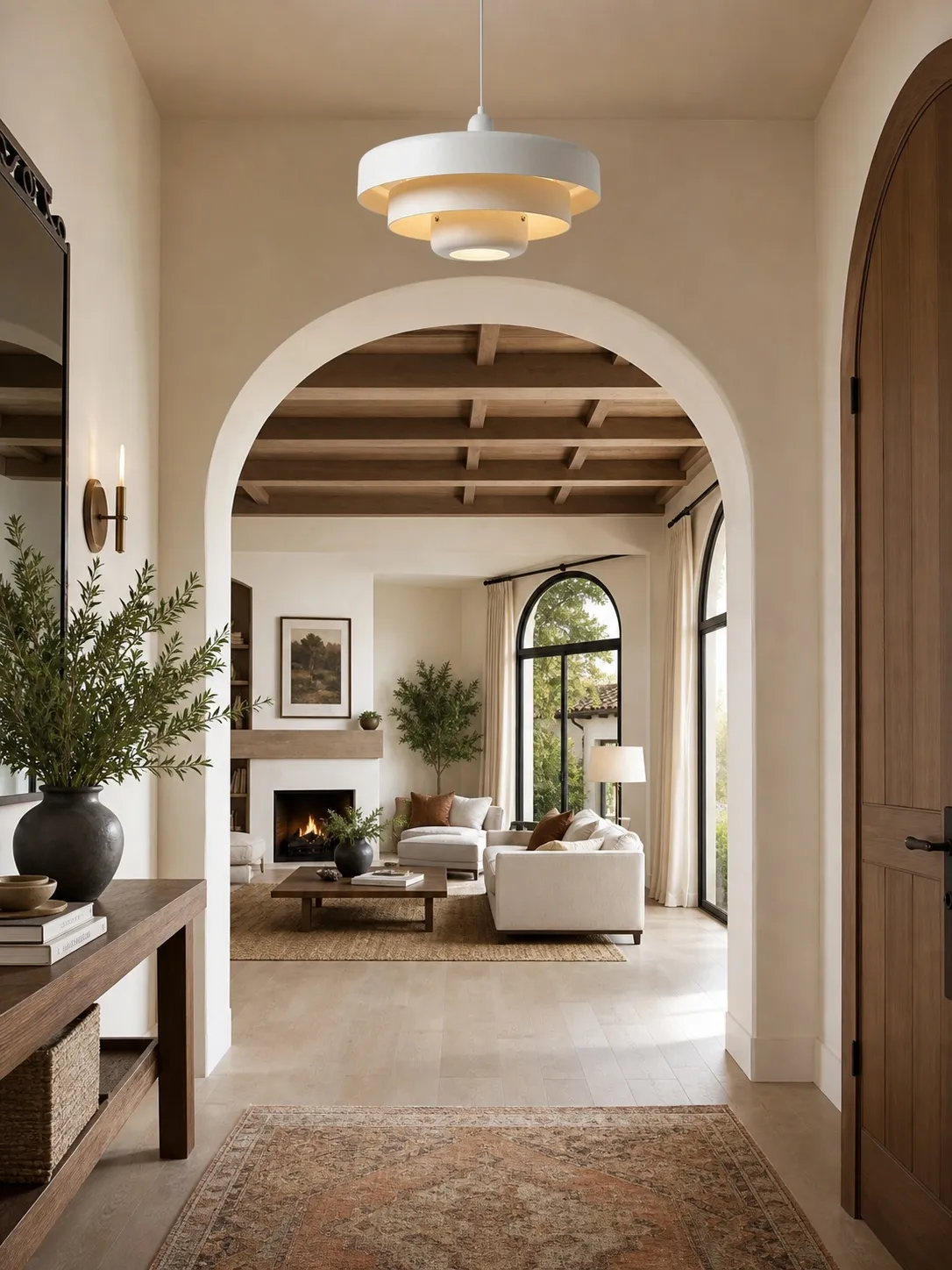
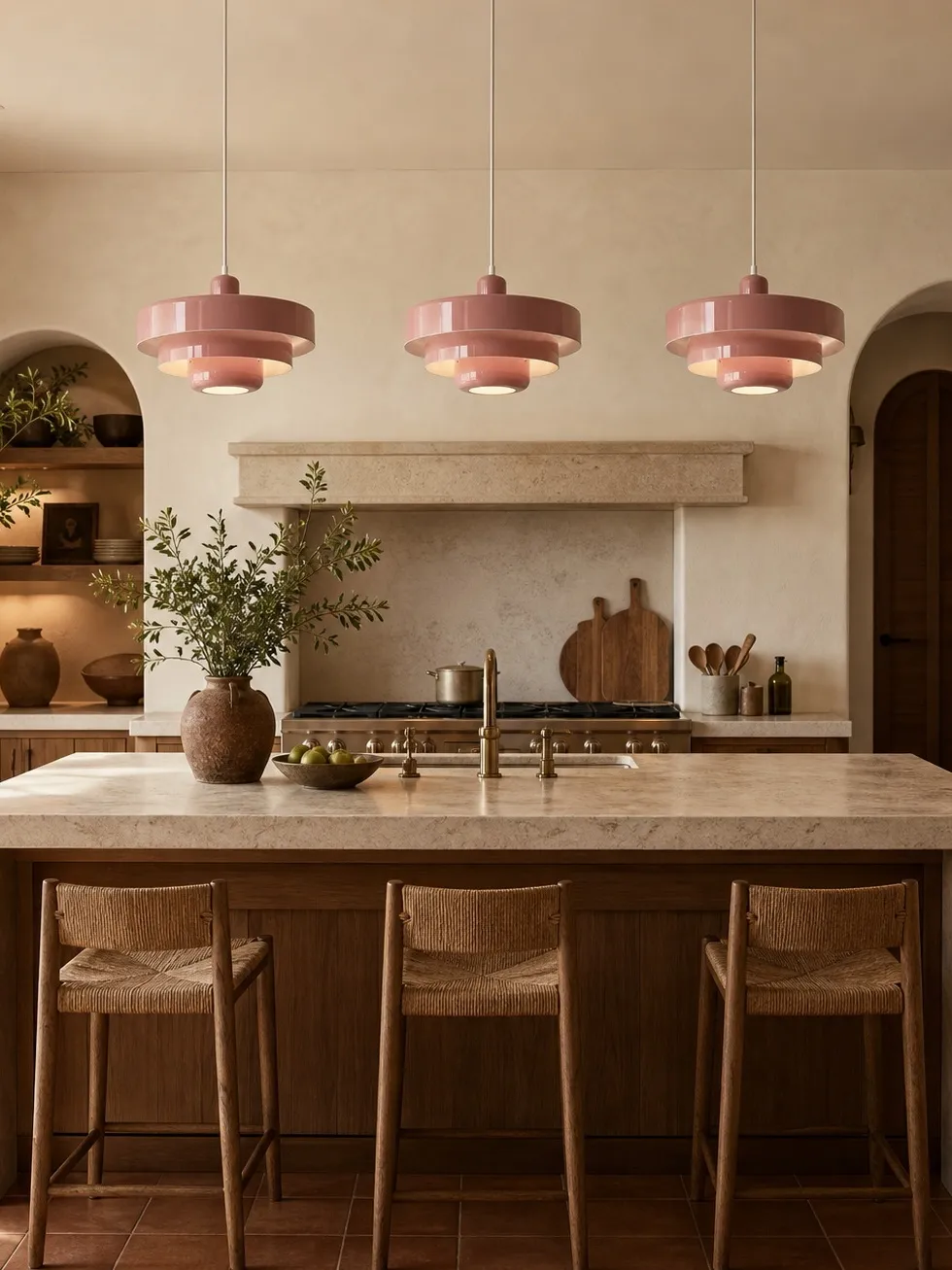
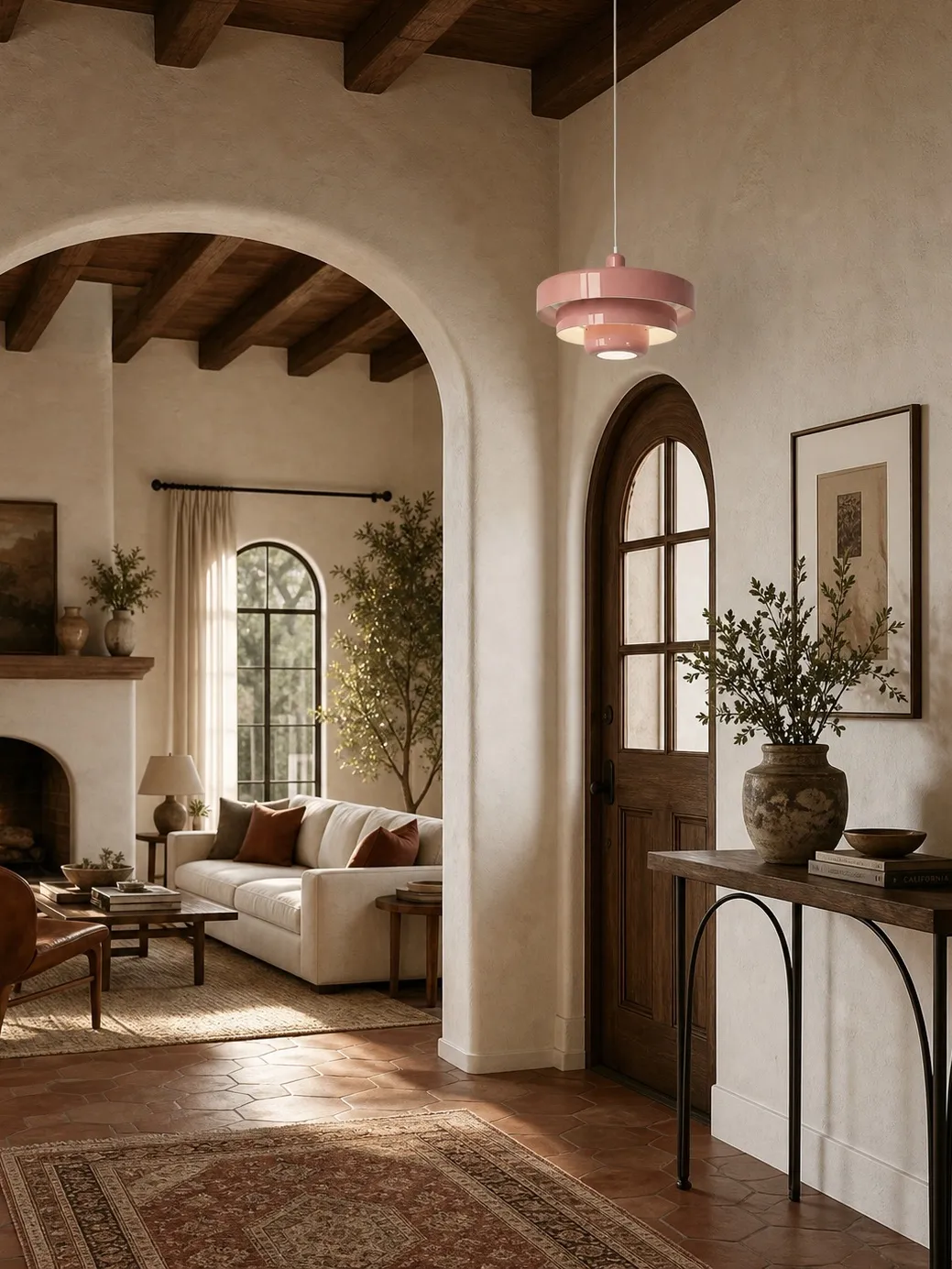
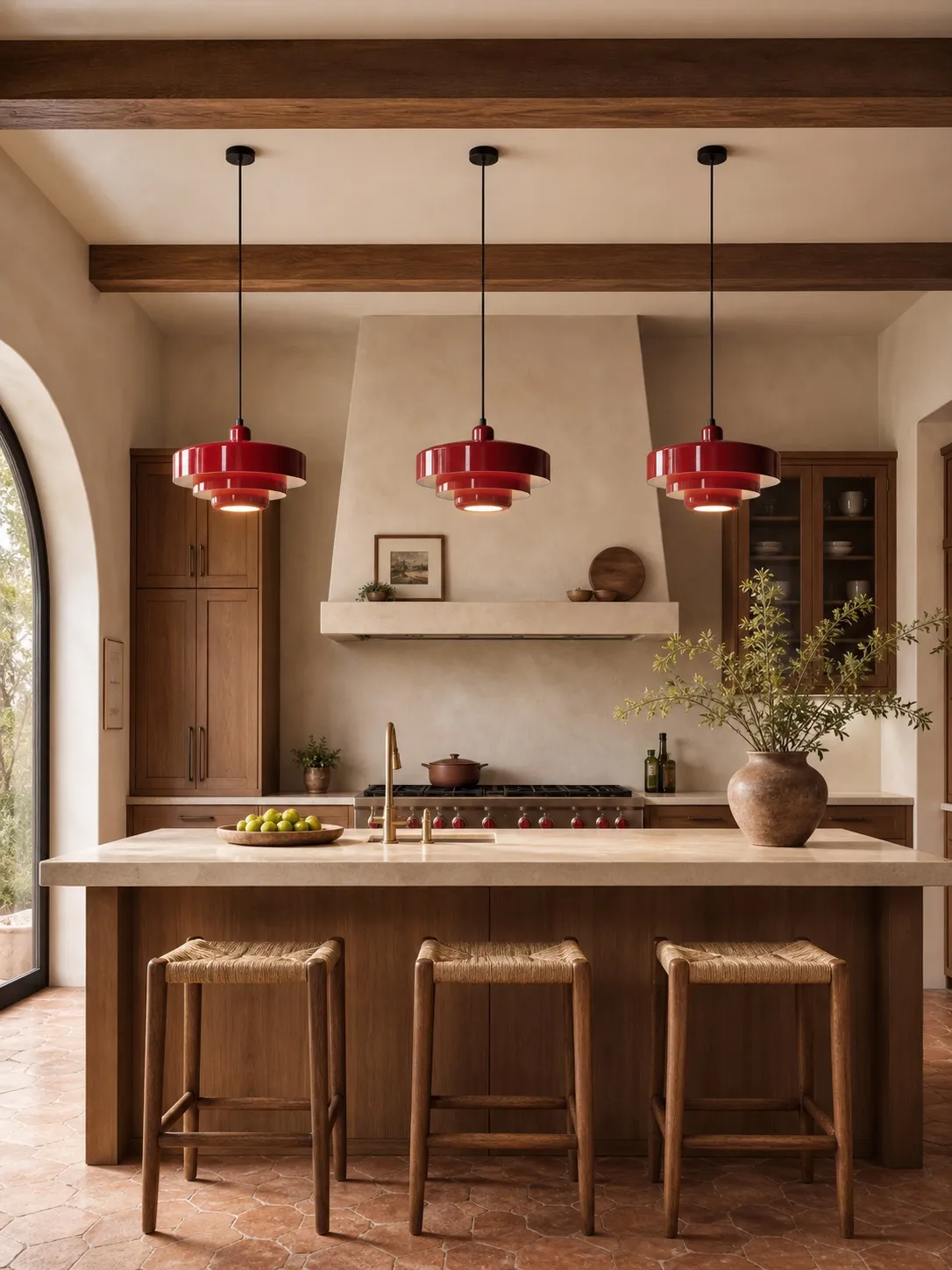
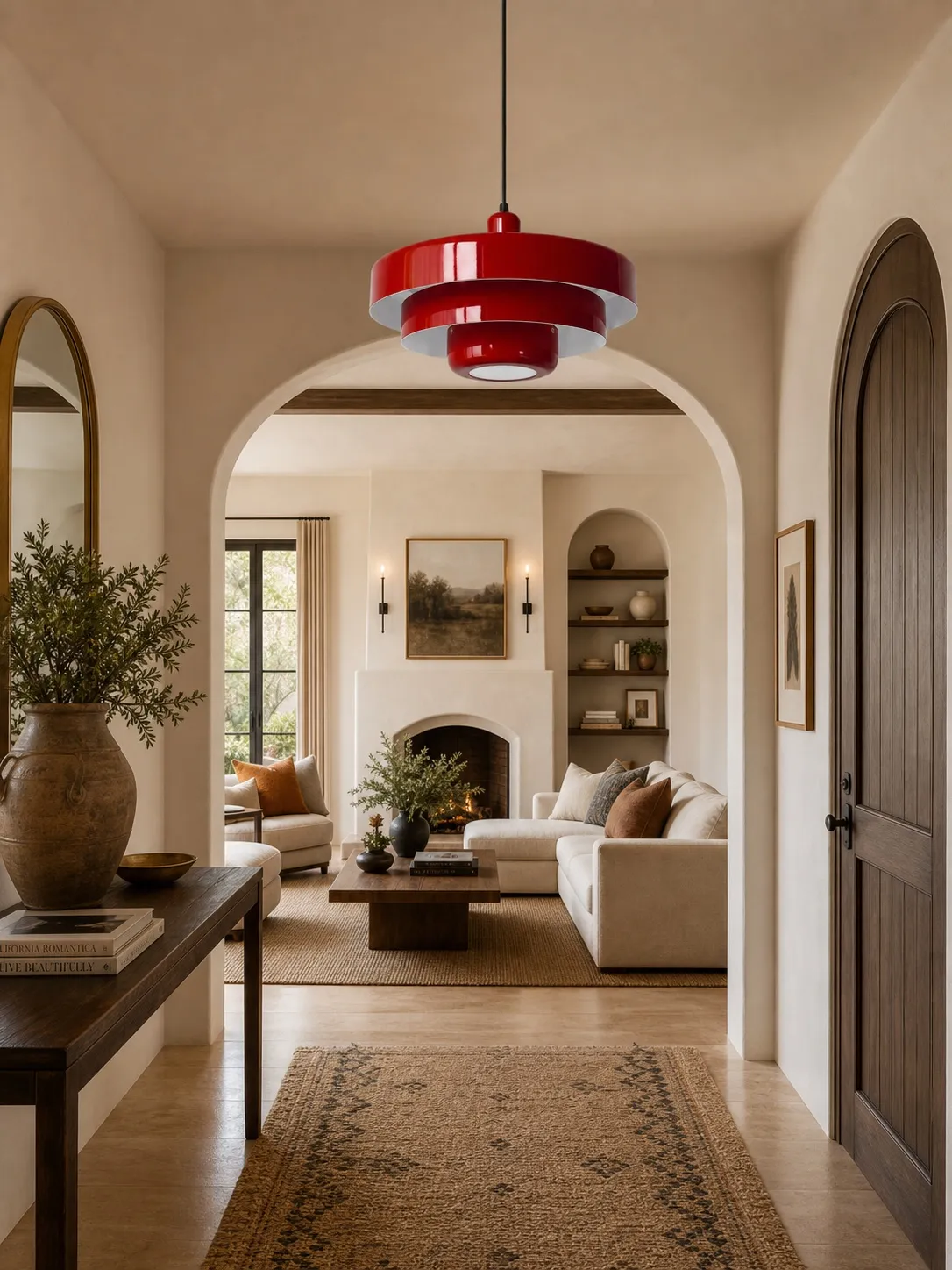
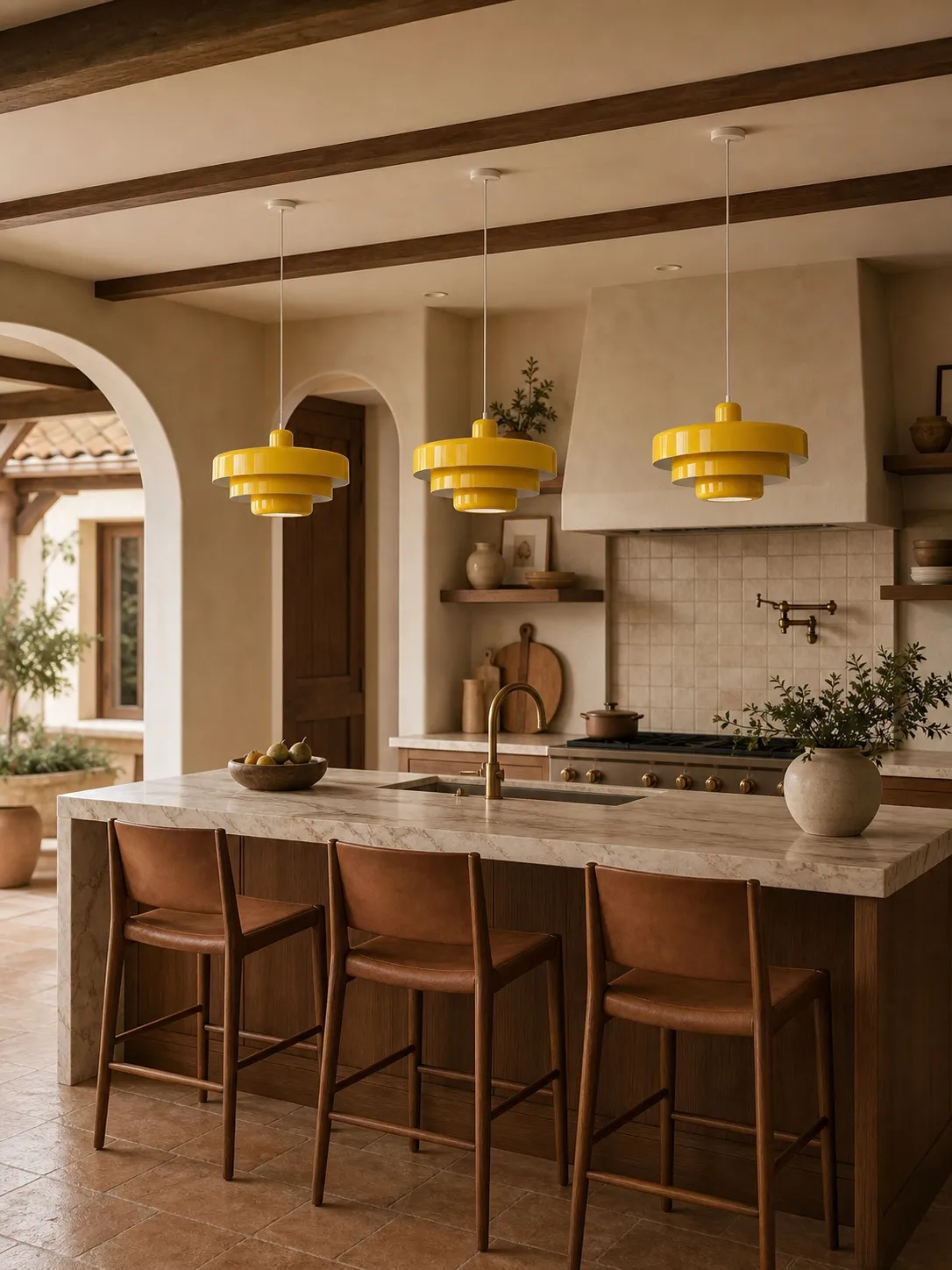
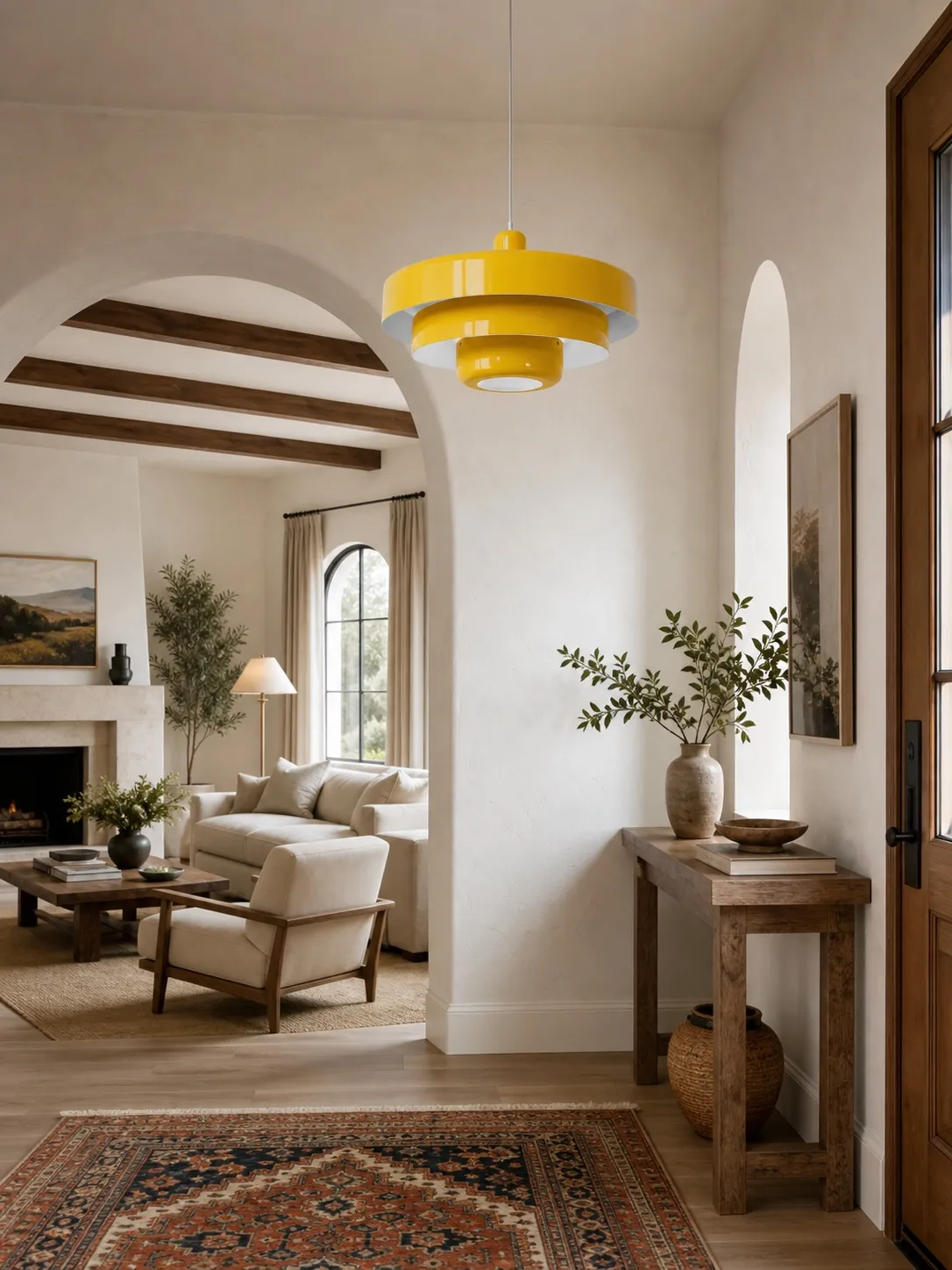
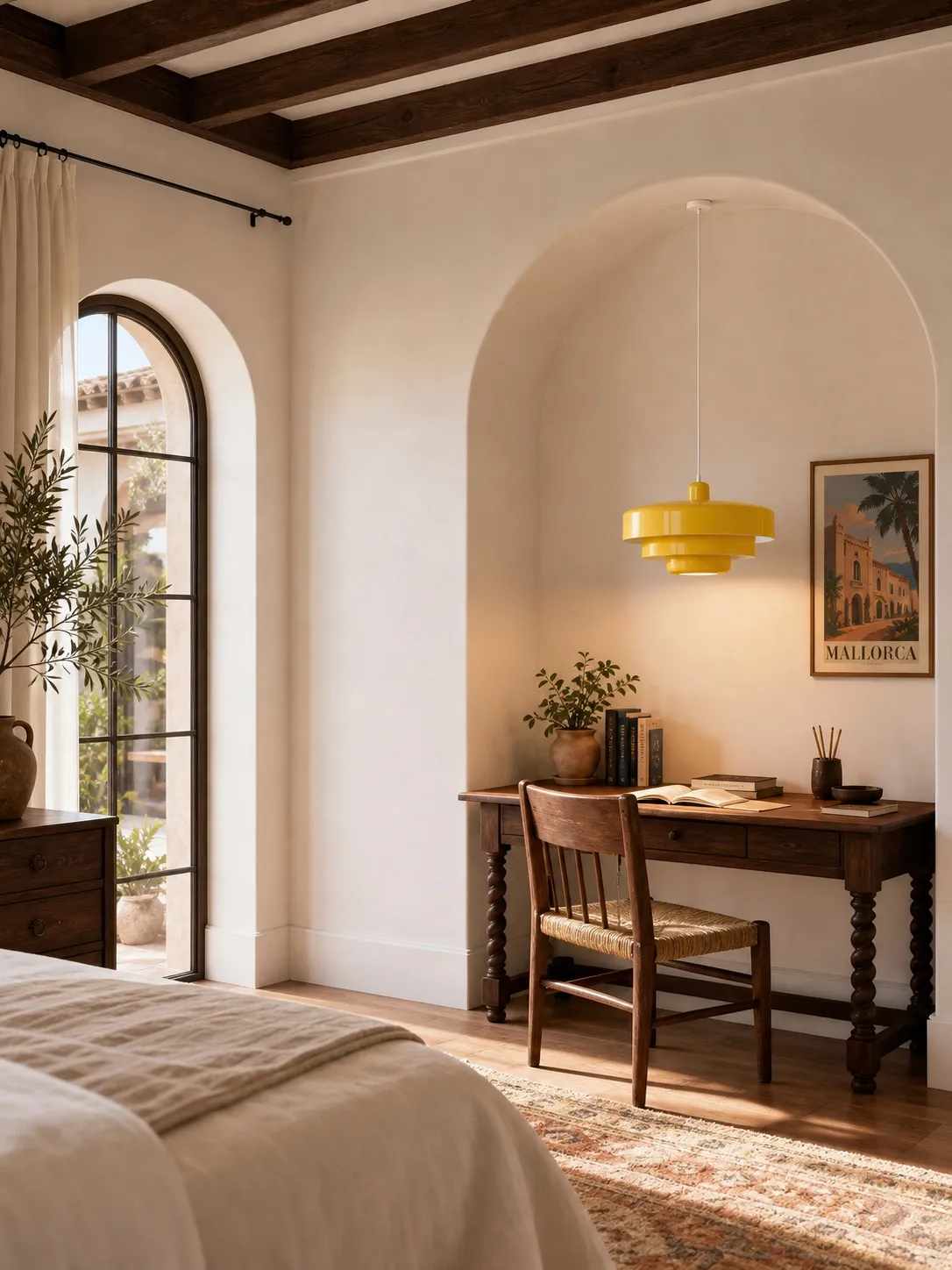
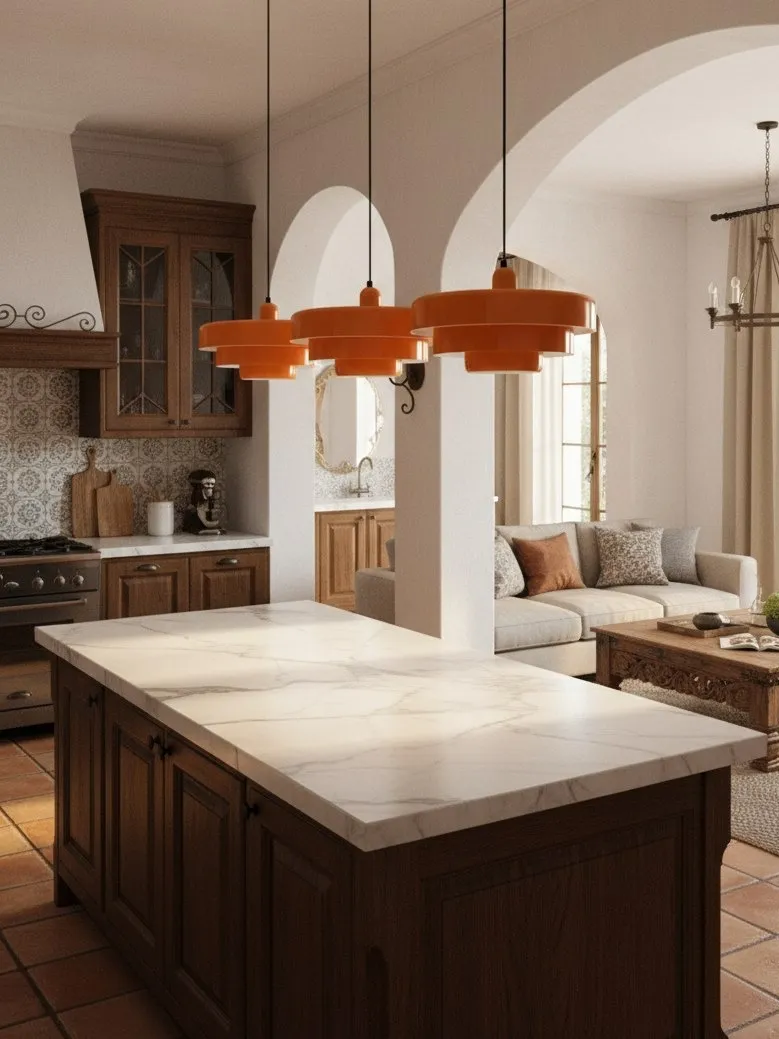
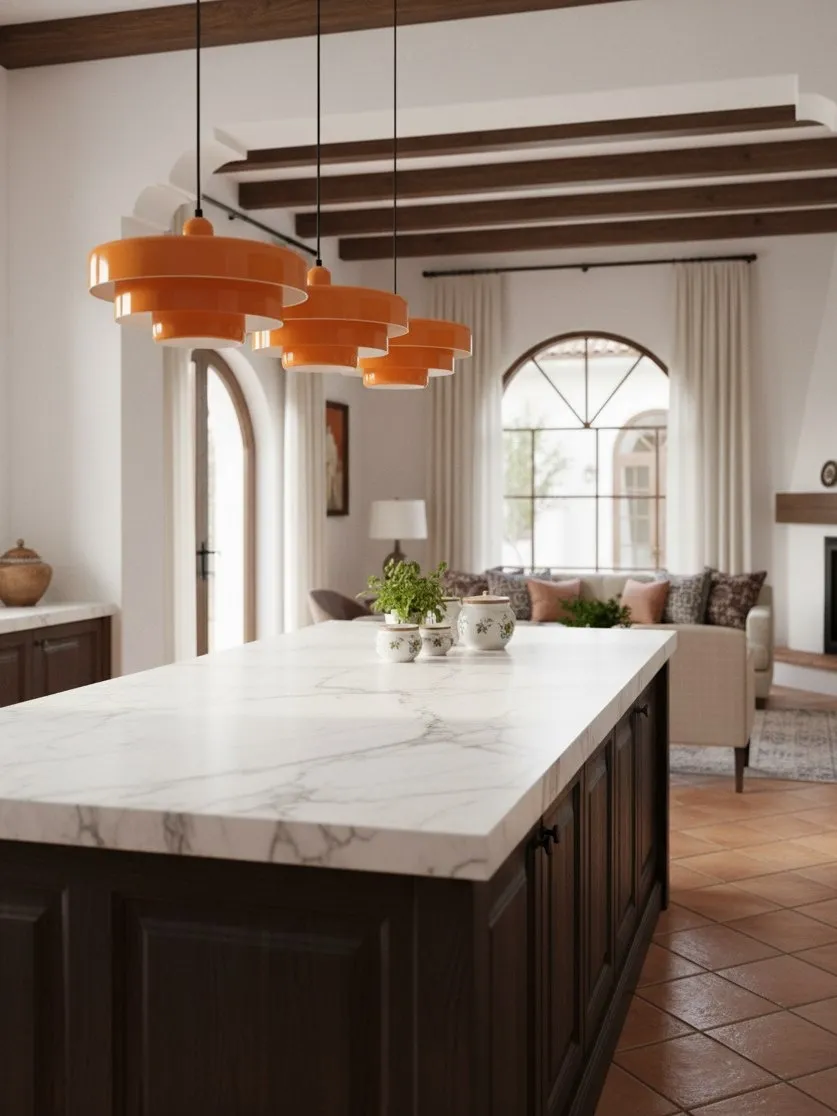
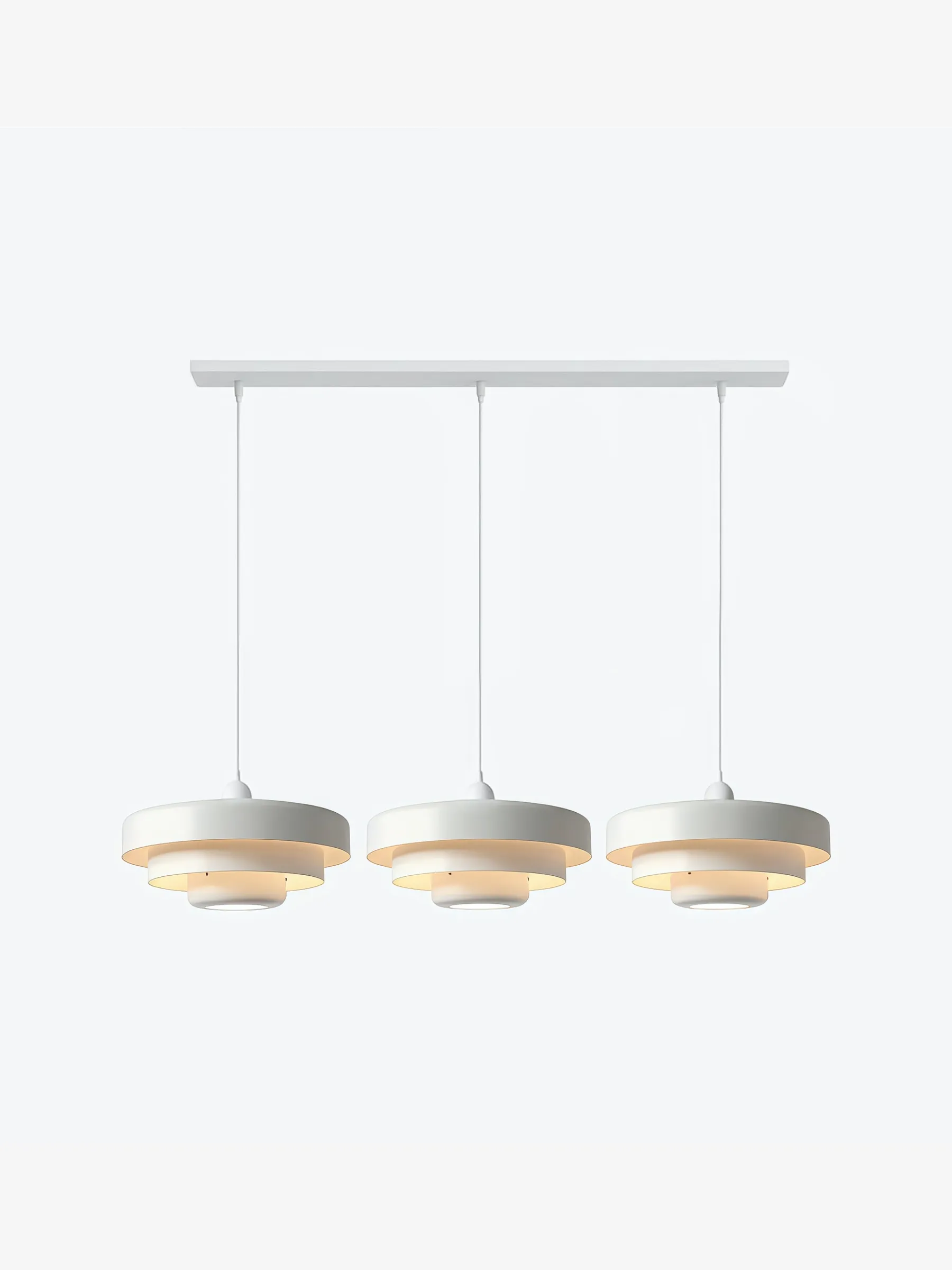
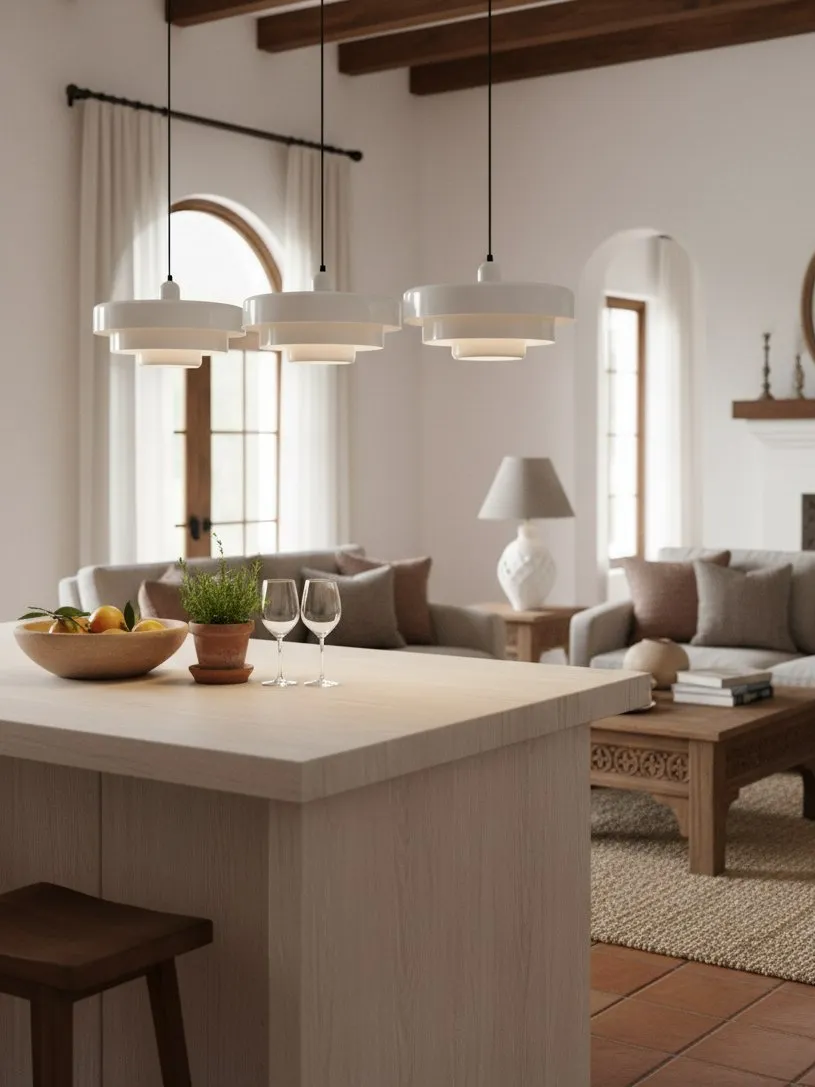
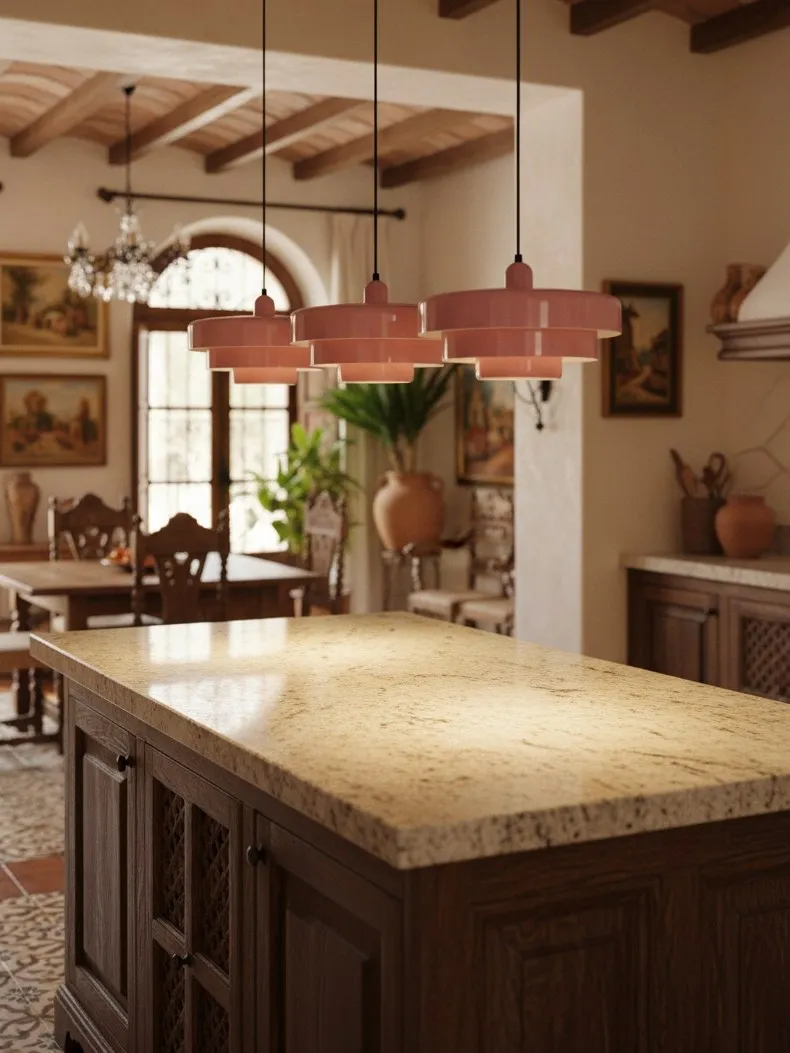
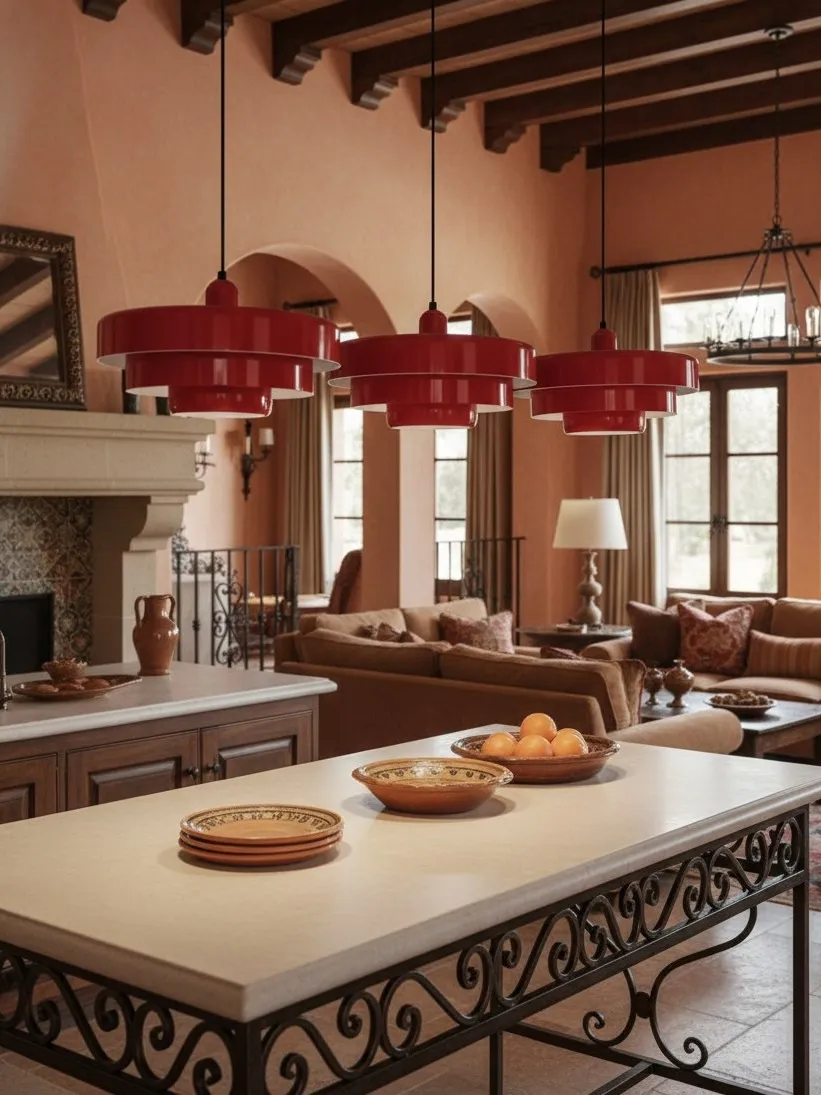
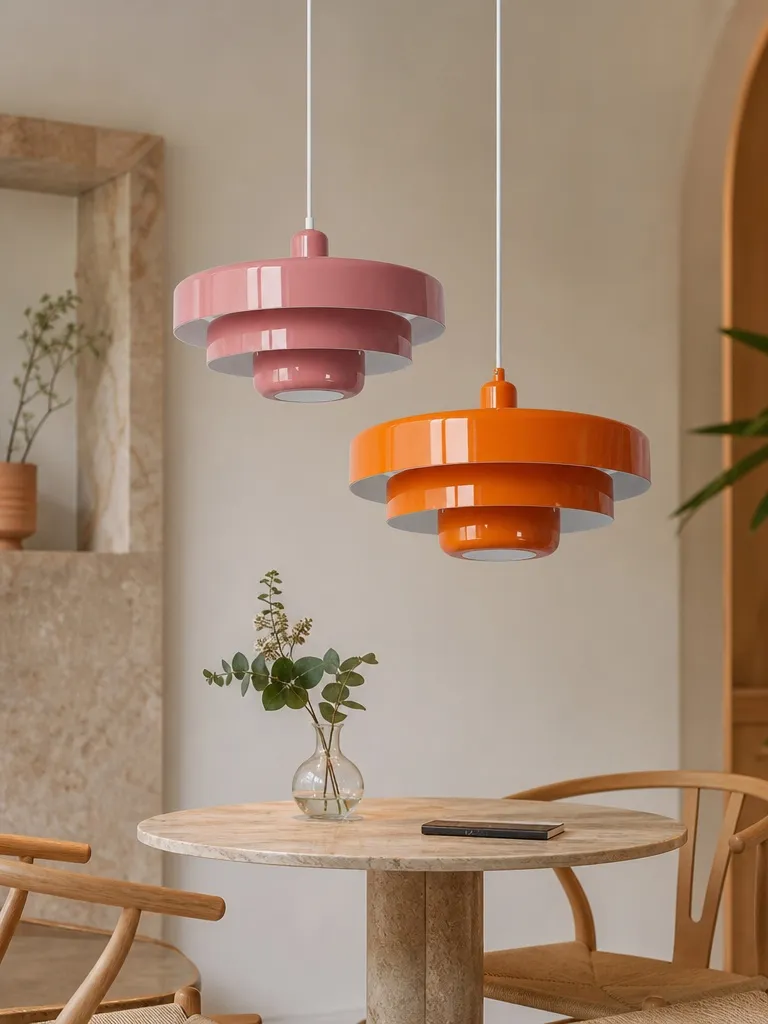
The Triple Layer Disc Macaron pendant is most convincing when its 35 cm width and 21 cm depth are visibly related to a small table. The layered metal shape gives it presence without requiring an oversized drop. Because the product is listed as non-dimmable, use the bulb choice and supporting room lights to tune the atmosphere.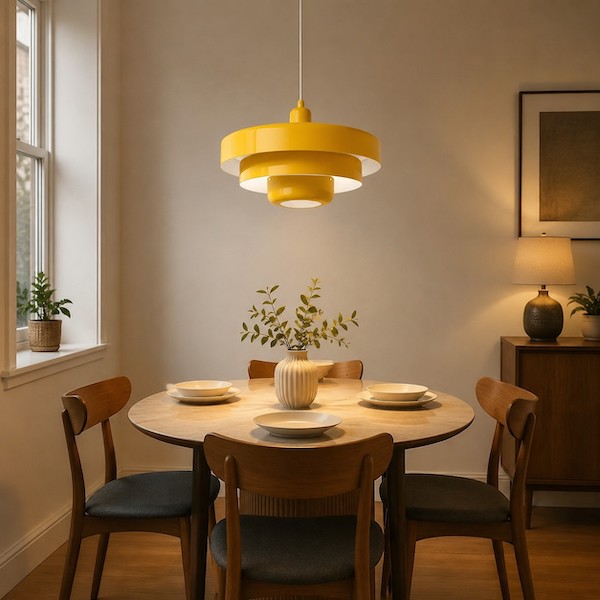
FAQ
Is 34 inches above the table too high?
No. It sits inside the common starting range. Check faces, bulb visibility and visual connection before changing it.
What if the electrician cut the cable too short?
Do not improvise an unsafe extension. Ask the installer or seller whether a compatible replacement cord is available.
Can I install a heavy pendant in a rental?
Only with landlord approval, verified ceiling support and qualified installation. Weight and future removal affect the decision.
Can a pendant share the dining area with a ceiling fan?
Only when blade sweep and airflow clearance are confirmed. A fan conflict may require moving or changing one fitting.
Should a high ceiling make the pendant much higher?
Usually no. Keep the tested table relationship and let the longer upper suspension address the ceiling.